Profiles
Notable Figures
The prospectors, financiers, and visionaries who shaped the era of gold discovery and built fortunes from the earth.
Notable Figures
81 figures in the database.
Adam Beam
Canadian
Adam Beam was a Canadian prospector who found coarse gold in October 1859 on a stream in British Columbia's Boundary Country, sparking the Rock Creek Gold Rush of 1860 that drew thousands of miners to the new town of Rock Creek.
Alexander 'Buck' Choquette
French-Canadian · 1830 – 1898
Alexander 'Buck' Choquette was a French-Canadian prospector who found gold on the Stikine River in 1861 at what is now Buck Bar, setting off the Stikine Gold Rush. He married Georgiana, daughter of the Tlingit Chief Shakes, and traded on the river for decades.
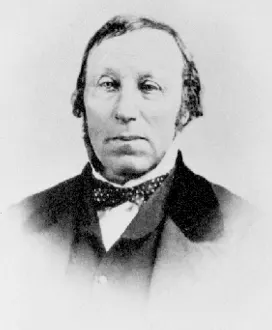
Alfred Waddington
British (born England) · 1801 – 1872
Alfred Waddington was an English merchant and promoter of the Fraser River Gold Rush who wrote the colony's first non-government book and championed a road from Bute Inlet to the Cariboo, a scheme that ended in the Chilcotin War of 1864.
Angus McCulloch
Scottish
Angus McCulloch was a Scottish prospector who co-discovered gold with Henry Thibert on Thibert Creek at Dease Lake in 1872, the strike that launched the Cassiar Gold Rush in northern British Columbia. Little else of his life was recorded.
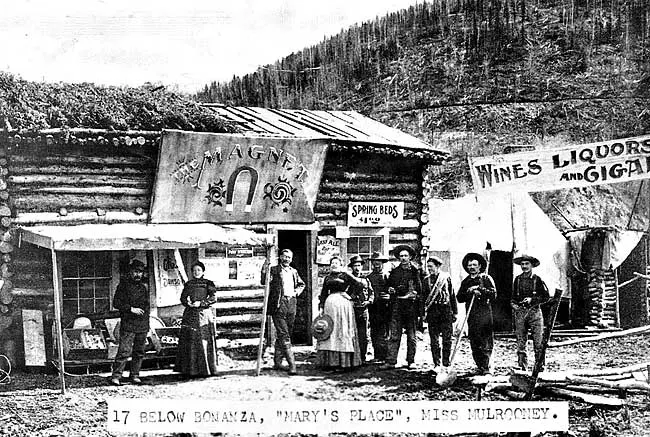
Belinda Mulroney
Irish-American · 1872 – 1967
Belinda Mulroney was an Irish-born entrepreneur called the richest woman in the Klondike. Arriving in Dawson in 1897, she built the Grand Forks roadhouse and the Fairview Hotel, managed mining companies, and made and lost more than one fortune.
Ben Ware
Ben Ware was a prospector in the Holcomb Valley gold rush. On May 5, 1860, he and William F. Holcomb recorded the district's first five mining claims at the San Bernardino County recorder's office, helping trigger Southern California's biggest gold rush; little else is known of him.
Benjamin Parks
American
Benjamin Parks was a Georgia farmer traditionally credited with kicking up a gold-bearing rock near Dahlonega in 1828, one of the finds said to have ignited the Georgia Gold Rush. He retold the story into his nineties, though contemporary documentation is lacking.
Benny Hollinger
Canadian · 1885 – 1919
Benny Hollinger was a young Ontario barber turned prospector whose October 1909 discovery of a gold-bearing quartz vein in the Porcupine country led to the Hollinger Mine, one of the greatest gold mines in Canadian history, and the founding of Timmins.
Bill Fairweather
d. 1875
Bill Fairweather was a prospector who co-discovered the fabulously rich Alder Gulch placers in Montana on May 26, 1863, giving rise to Virginia City. Famous for his reckless generosity — he reportedly scattered gold dust in the streets — he died broke in 1875.
Billy Marsh
American
Billy Marsh was a young Tonopah prospector who, with partner Harry Stimler, staked the first claims at what became Goldfield, Nevada, in December 1902, a discovery that grew into the richest gold camp of the twentieth-century American West.
Bob Womack
American · 1844 – 1909
Bob Womack was the Colorado cowboy-prospector whose 1890 discovery of gold ore in a cow pasture at Cripple Creek launched the last great Colorado gold rush. The district produced hundreds of millions in gold, but Womack sold his claim early and died poor.
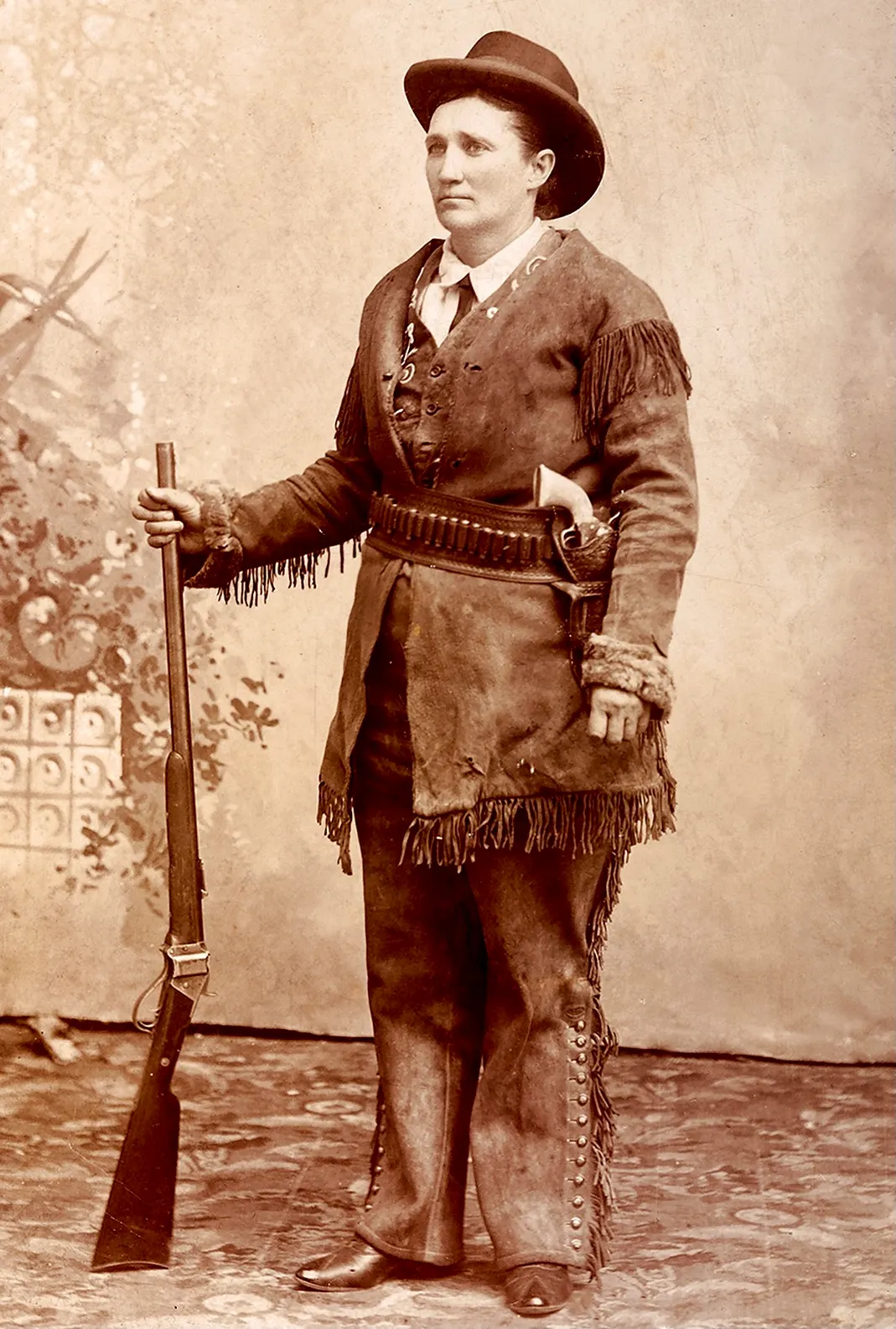
Calamity Jane
American · 1852 – 1903
Calamity Jane (Martha Jane Canary) was a hard-living frontierswoman who arrived in Deadwood with Wild Bill Hickok's wagon train in 1876 and won lasting fame there, nursing smallpox victims and spinning tall tales. She was buried beside Hickok in 1903.
Caspar Phair
Irish · 1846 – 1933
Caspar Phair was an Irish-born teacher, merchant and magistrate at Lillooet, British Columbia, who as Government Agent served the Bridge River and Cayoosh Creek mining country for decades, running a general store that lasted over fifty years.
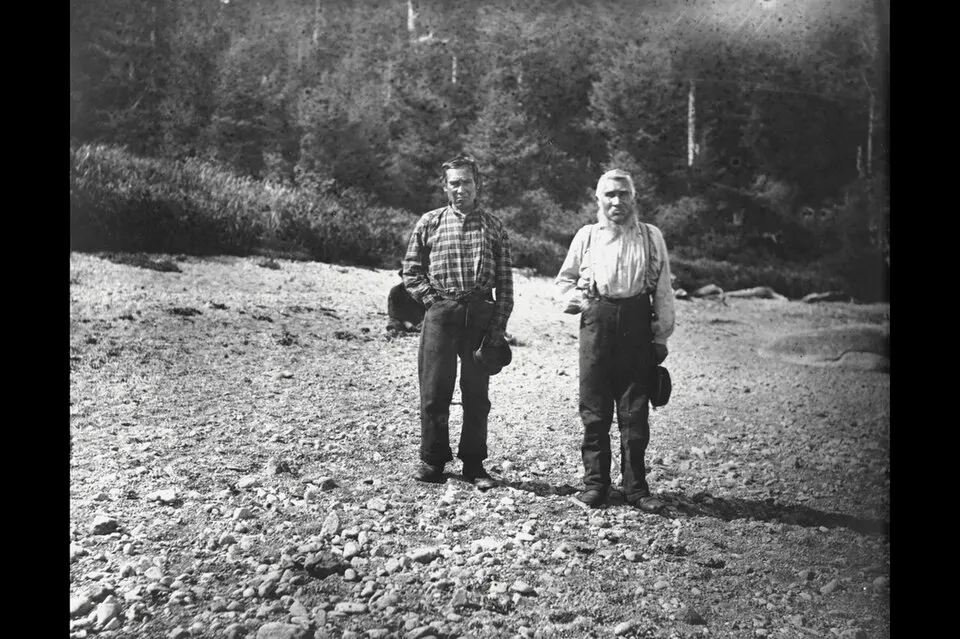
Chief Edenshaw
Haida · 1810 – 1894
Albert Edward Edenshaw (Eda'nsa) was a powerful Haida chief, trader and pilot of the northern Queen Charlotte Islands, prominent during the 1851-52 Gold Harbour excitement and the Susan Sturgis affair, and mentor of the artist Charles Edenshaw.
Chief Shakes
Tlingit · d. 1878
Chief Shakes is the hereditary title of the Naanyaa.aayi Tlingit leaders at Wrangell. Shakes V (Kaawishte), who held the title from 1840 to 1878, controlled Stikine River trade during the 1861 Stikine and 1870s Cassiar gold rushes.
Christopher Bechtler
German-American · 1782 – 1843
Christopher Bechtler was a German-born metallurgist and jeweler who opened a private mint at Rutherfordton, North Carolina, in 1831, striking trusted gold coins for the Carolina gold region and producing America's first gold dollar years before the U.S. Mint.
Conrad Reed
American
Conrad Reed was a farm boy in Cabarrus County, North Carolina, who in 1799, at about age twelve, pulled a 17-pound gold nugget from Little Meadow Creek — the find regarded as the first documented gold discovery in the United States, which led to the Reed Gold Mine.
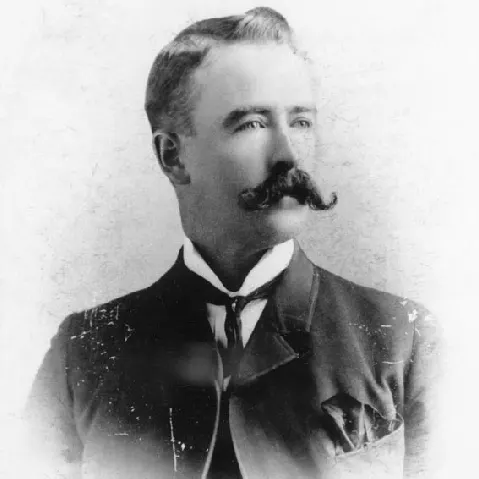
E.T. Barnette
American · 1863 – 1933
E.T. Barnette was a riverboat trader whose supplies were put ashore on the Chena River in 1901 when his steamer could go no farther. Felix Pedro's 1902 gold strike turned the stranded trading post into Fairbanks, and Barnette became the city's first mayor.
Elias Davidson Pierce
American · 1824 – 1897
Elias Davidson Pierce was an American trader and prospector whose 1860 expedition onto Nez Perce lands found gold on Orofino Creek, the first discovery in what became Idaho. The rush that followed built the town of Pierce and opened the Clearwater mines.
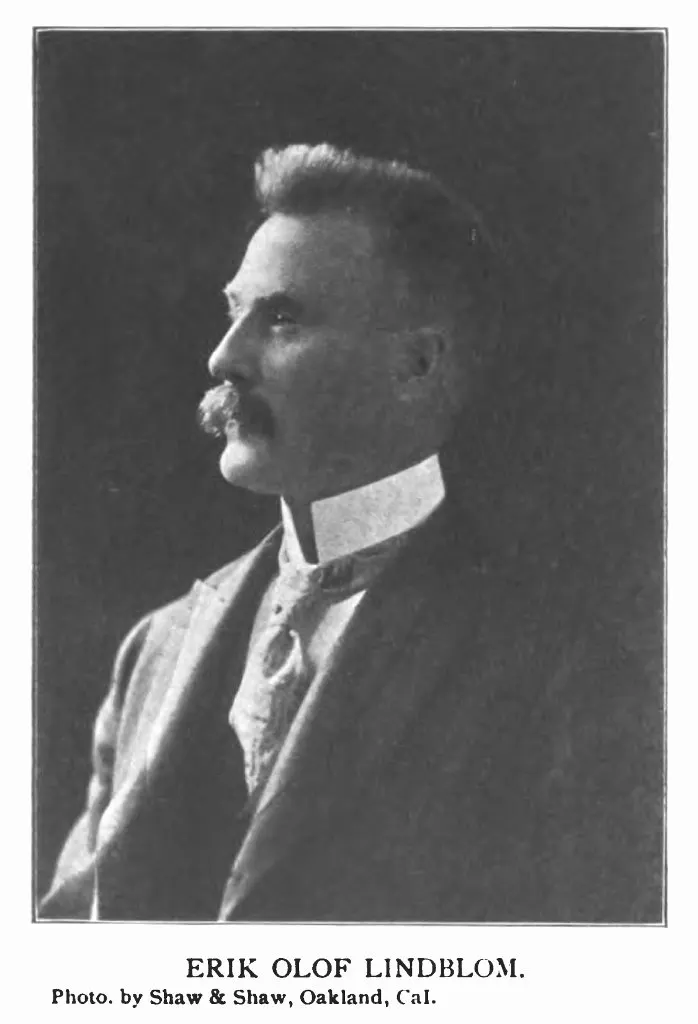
Erik Lindblom
Swedish-American · 1857 – 1928
Erik O. Lindblom was a Swedish-born tailor who became one of the 'Three Lucky Swedes,' co-discovering gold on Anvil Creek in 1898 and founding the Nome mining district. The strike made him a millionaire, and he later prospered as a banker and investor.
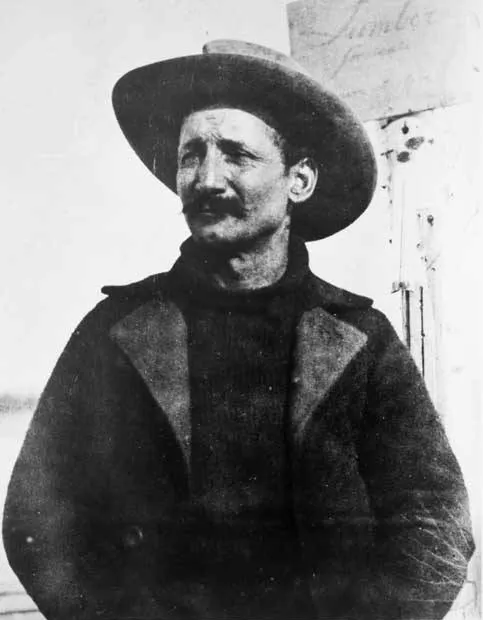
Felix Pedro
Italian · 1858 – 1910
Felix Pedro, born Felice Pedroni in Italy, was the prospector whose July 1902 gold strike on a creek north of the Chena River touched off the Fairbanks Gold Rush and turned E.T. Barnette's stranded trading post into Alaska's interior metropolis.
Fred Gwatkins
Fred Gwatkins was a prospector who, with partner George Sheenan, staked the Stemwinder claim in 1887, the first mineral claim at Fairview in British Columbia's Okanagan, launching the hard-rock gold camp that briefly boasted 5,000 residents.
Fred Manuel
Fred Manuel was a prospector who, with his brother Moses and partners Hank Harney and Alex Engh, located the Homestake claim at Lead, Dakota Territory, in April 1876. Sold to George Hearst's syndicate in 1877, it became the greatest gold mine in the Western Hemisphere.
Fritz Miller
German
Fritz Miller was a German prospector who, with Kenny McLaren, discovered gold on Pine Creek near Atlin Lake in 1898, diverting thousands of Klondike-bound stampeders and starting the Atlin Gold Rush, British Columbia's last great placer rush.
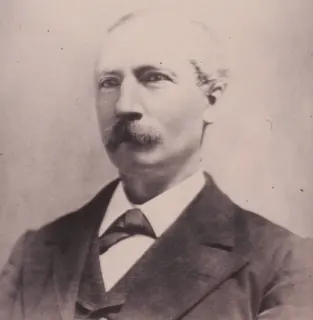
George A. Johnson
American · 1824 – 1903
George Alonzo Johnson was the pioneering steamboat entrepreneur of the Colorado River, whose vessels supplied Fort Yuma and carried ore and freight for the El Dorado Canyon mines, dominating river commerce in the gold rush decades.
George Andrew Jackson
American · 1832 – 1897
George Andrew Jackson was a Missouri-born prospector whose January 1859 find of placer gold where Chicago Creek meets Clear Creek was the first substantial gold discovery in Colorado, giving rise to Idaho Springs and helping ignite the Pike's Peak rush.
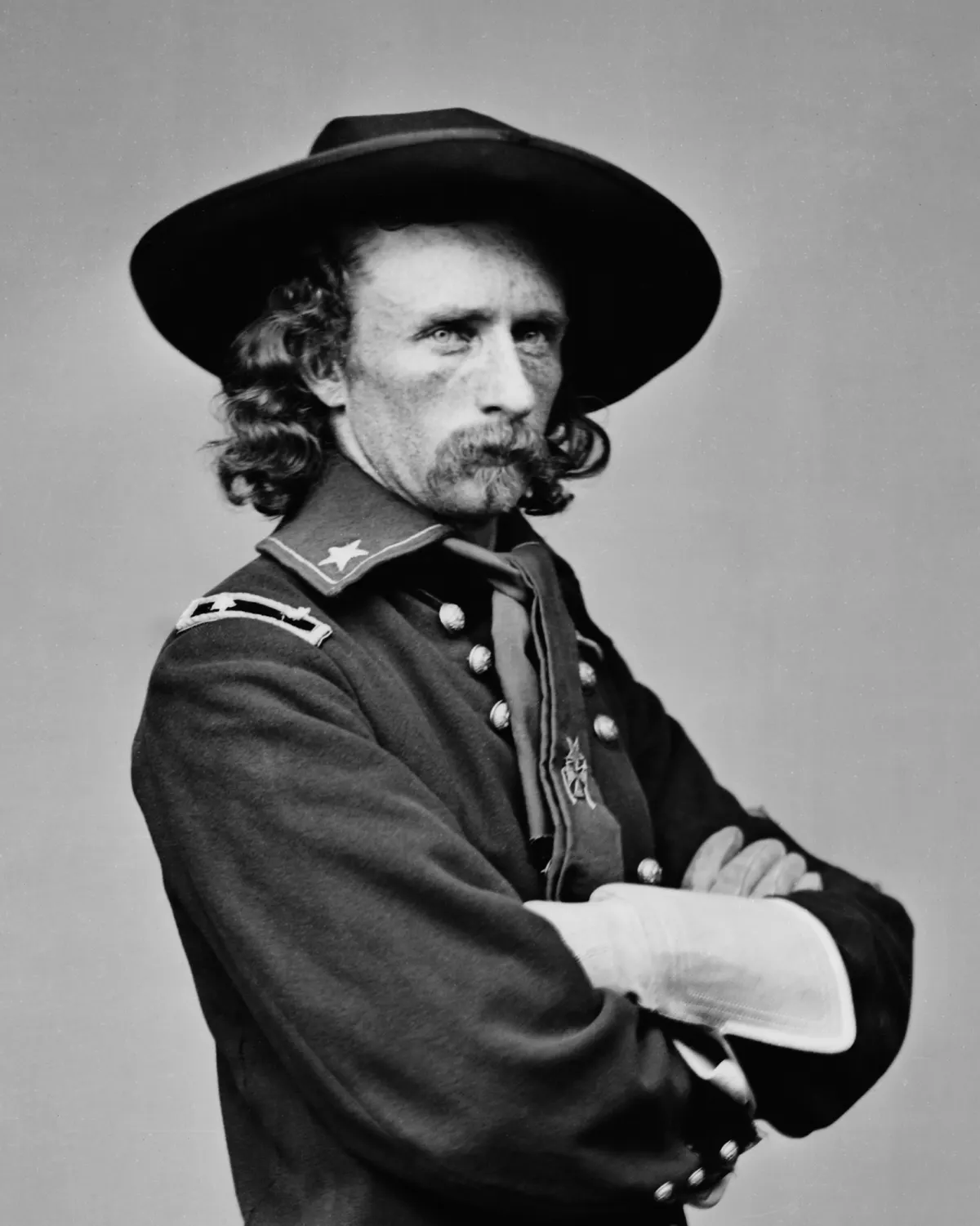
George Armstrong Custer
American · 1839 – 1876
George Armstrong Custer was a U.S. Army cavalry officer whose 1874 Black Hills Expedition confirmed gold on French Creek, triggering the Black Hills gold rush on Lakota treaty land. Two years later he and his immediate command were annihilated at the Little Bighorn.
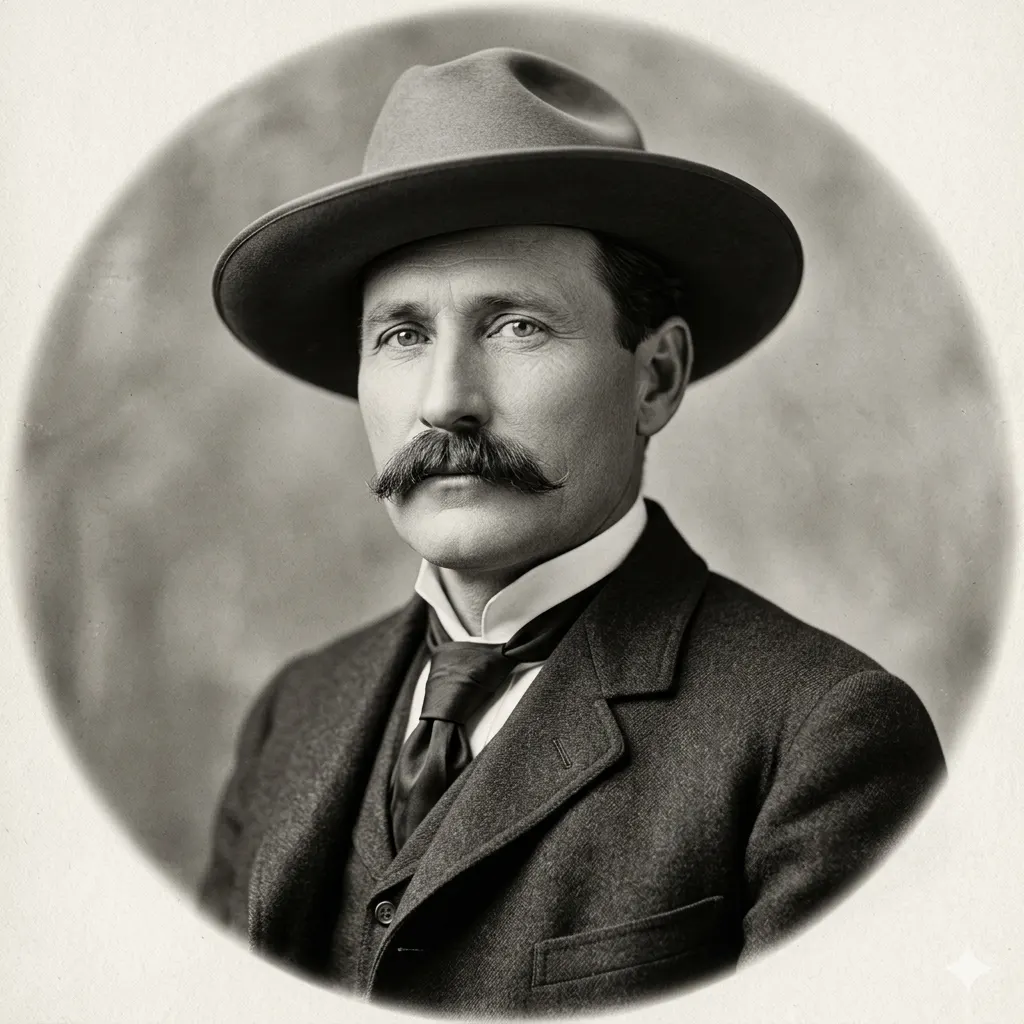
George Carmack
American · 1860 – 1922
George Carmack was an American prospector who registered the Discovery Claim on Bonanza Creek in August 1896, the strike that set off the Klondike Gold Rush. Historians today generally credit his Tagish brother-in-law, Skookum Jim Mason, with the actual find.
George Grimes
American · d. 1862
George Grimes was an American prospector who co-led the party that discovered gold in Idaho's Boise Basin on 2 August 1862. He was shot and killed days later near the diggings; Grimes Creek and Grimes Pass preserve his name.
George Sheenan
George Sheenan was a prospector who co-staked the Stemwinder claim with Fred Gwatkins in 1887, the discovery claim of the Fairview gold camp in British Columbia's Okanagan, which grew into a boomtown before fading to a ghost town by 1906.
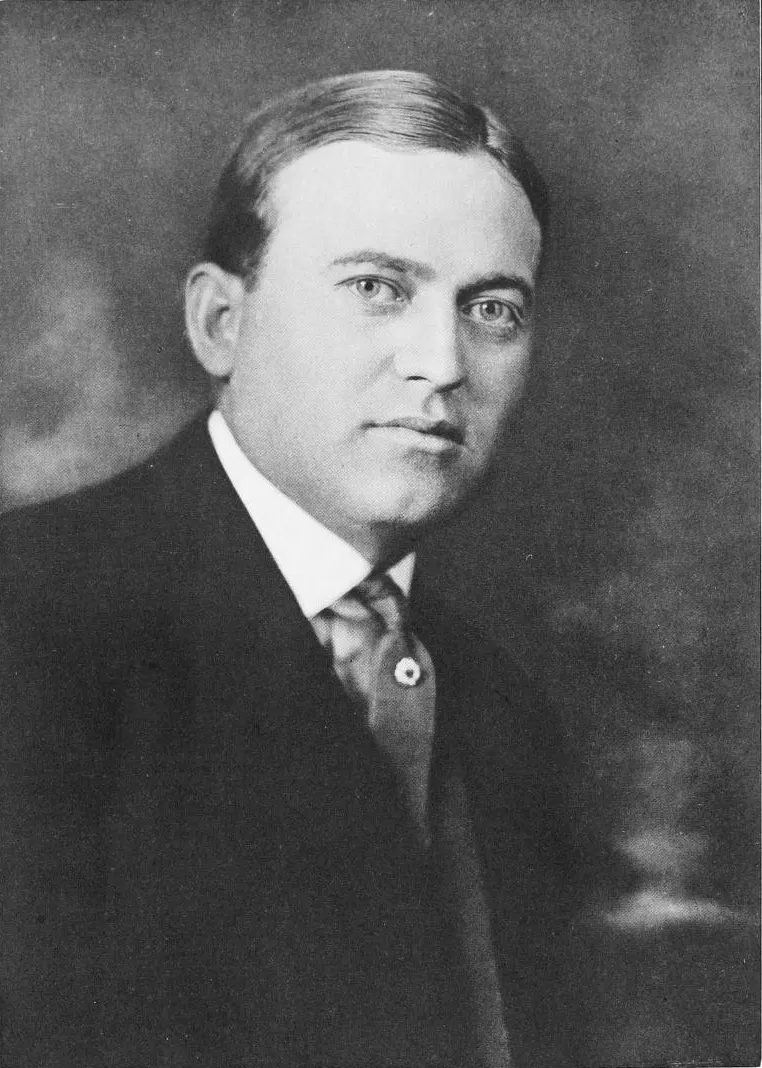
George Wingfield
American · 1876 – 1959
George Wingfield was a faro dealer who parlayed Tonopah gambling profits into control of Goldfield's richest mines, becoming Nevada's wealthiest man and, through his banks and political machine, the state's dominant power broker for two decades.
Greek George
Greek-American · 1828 – 1913
Greek George (Yiorgos Caralambo, c. 1828–1913) was a Greek camel driver brought to America in the 1850s for the U.S. Army's Camel Corps experiment. He packed supplies across the Southwest during Southern California's mining era and later settled near Los Angeles.
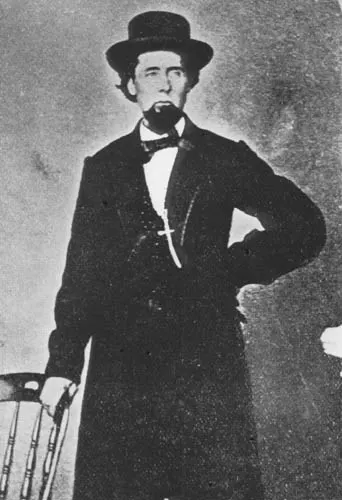
Henry Comstock
Canadian-American · 1820 – 1870
Henry 'Old Pancake' Comstock was a Canadian-born prospector who talked his way into a share of the 1859 silver discovery in Nevada's Six-Mile Canyon. The Comstock Lode, the richest silver deposit in American history, bears his name, though he died poor.
Henry Edgar
American · 1826 – 1910
Henry Edgar was a prospector who, with Bill Fairweather, discovered gold at Alder Gulch, Montana, on May 26, 1863 — one of the richest placer strikes in history, birthplace of Virginia City. His diary became a key record of the find; he ranched in Montana until his death in 1910.
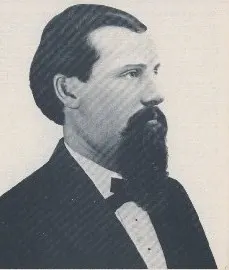
Henry Plummer
American · 1832 – 1864
Henry Plummer was an American lawman and convicted killer who became sheriff of the gold camp of Bannack, Montana, in 1863. Accused of secretly leading a gang of road agents, he was hanged without trial by vigilantes in January 1864; his guilt is still debated.
Henry Stimler
American (part Shoshone) · d. 1931
Henry 'Harry' Stimler was a half-Shoshone prospector from Belmont, Nevada, who, with Billy Marsh, staked the first claims of the Goldfield district in December 1902, naming the Sandstorm claim and the 'Grandpa' camp that became Goldfield.
Henry Thibert
French-Canadian
Henry Thibert was a French-Canadian prospector who, with Angus McCulloch, discovered gold in 1872 on a creek flowing into Dease Lake, igniting the Cassiar Gold Rush in northern British Columbia. Thibert Creek is named for him.
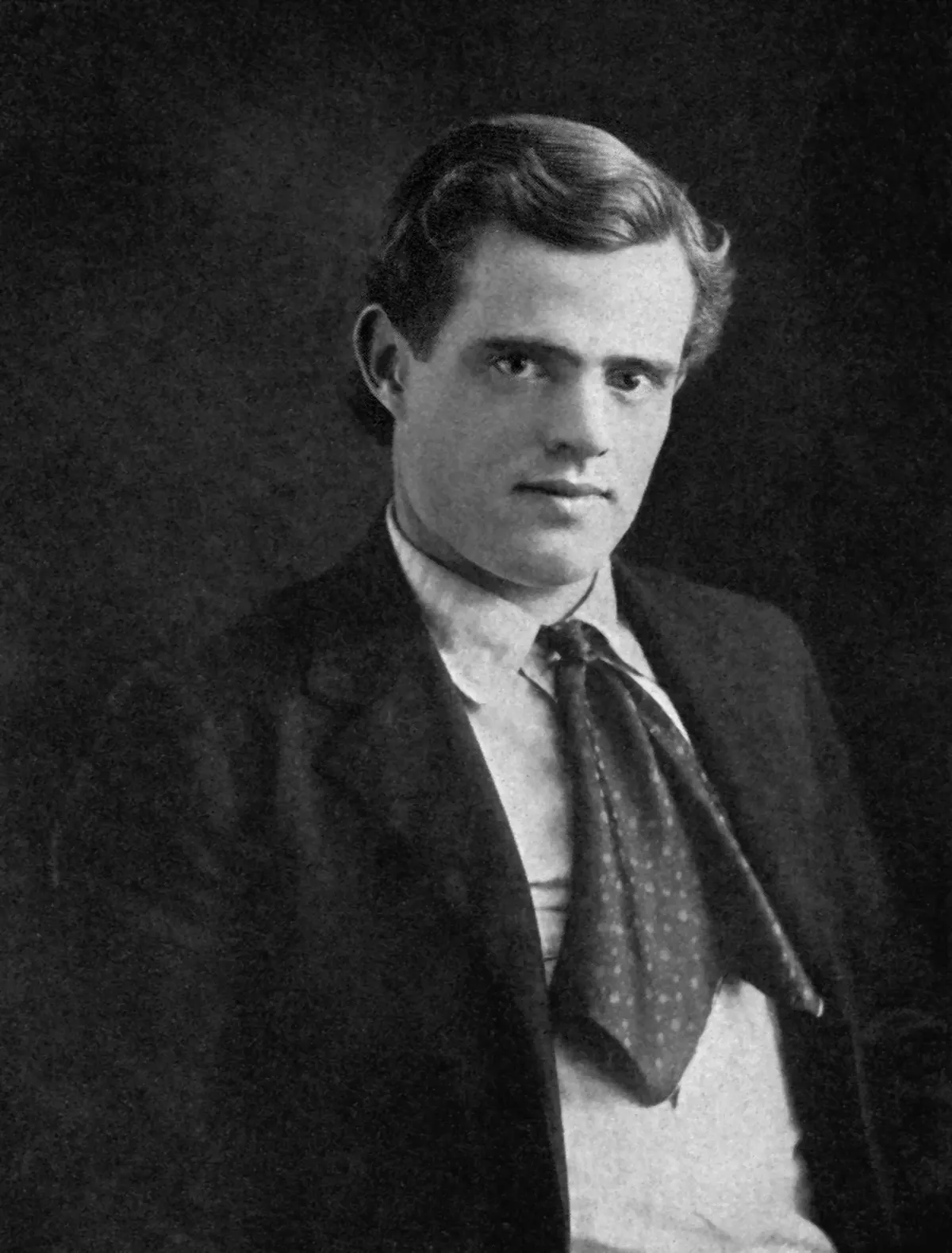
Jack London
American · 1876 – 1916
Jack London was an American writer who joined the Klondike stampede in 1897 at age 21. He found little gold but returned with the raw material for The Call of the Wild, White Fang, and the stories that made him one of the world's most famous authors.
Jack Post
Jack Post was a veteran prospector from Sumas, Washington, who in August 1897 discovered the gold-bearing Lone Jack ledge near Mount Baker with partners Russ Lambert and Luman Van Valkenburg, setting off the Mount Baker gold rush. The mine was named in his honor.
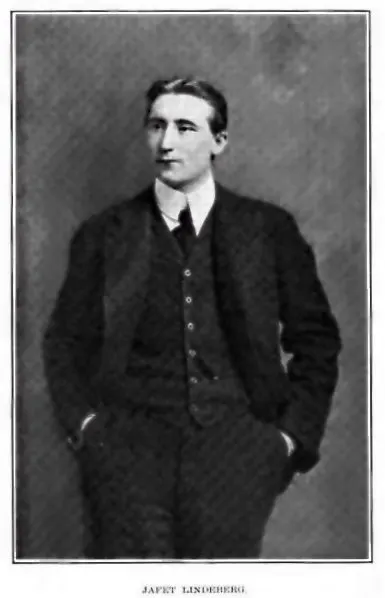
Jafet Lindeberg
Norwegian-American · 1874 – 1962
Jafet Lindeberg was a Norwegian prospector, one of the 'Three Lucky Swedes' whose 1898 gold strike on Anvil Creek founded Nome, Alaska. He led the Pioneer Mining Company and defended the claims against one of the era's most notorious frauds.
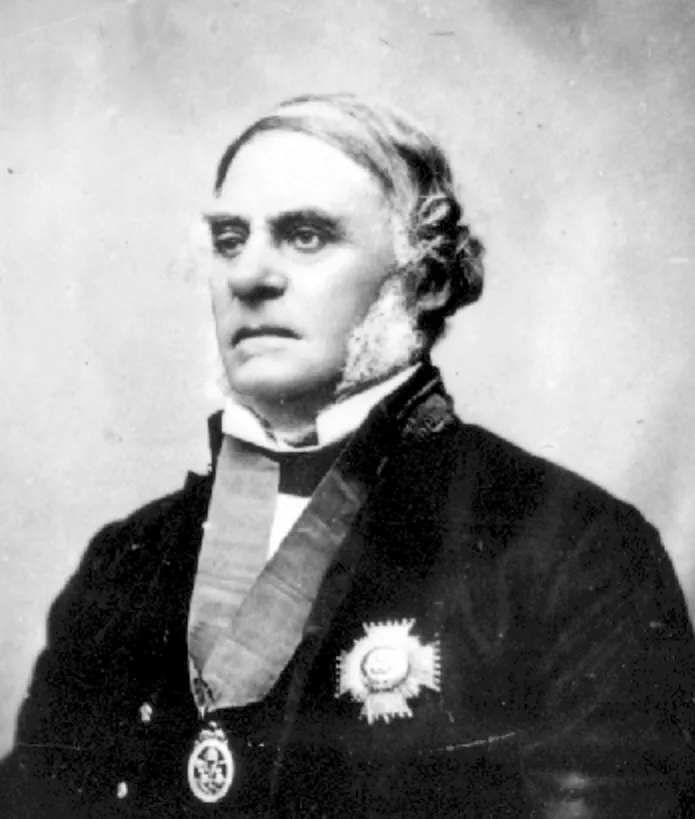
James Douglas
British (born British Guiana) · 1803 – 1877
Sir James Douglas, a Hudson's Bay Company chief factor, was Governor of Vancouver Island and first Governor of British Columbia. He asserted British authority over the Fraser and Cariboo gold rushes and is called the 'Father of British Columbia'.
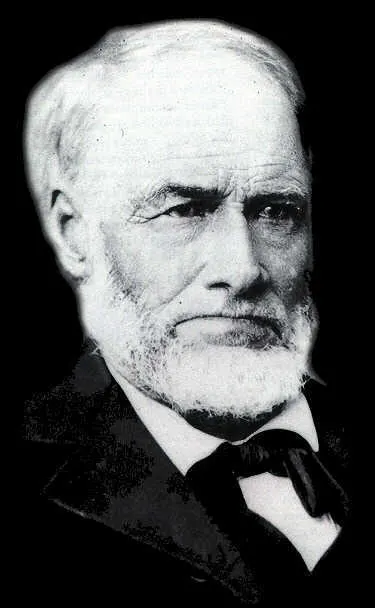
James W. Marshall
American · 1810 – 1885
James W. Marshall was an American carpenter and sawmill builder whose discovery of gold flakes in the tailrace of Sutter's Mill at Coloma on January 24, 1848, touched off the California Gold Rush. He never profited from the find and died in poverty in 1885.
Jim Butler
American · 1855 – 1923
Jim Butler was a Nevada rancher and part-time prospector whose May 1900 discovery of silver-rich ore at Tonopah, famously credited to a wandering burro, set off the boom that revived Nevada mining and opened the state's twentieth-century bonanza era.
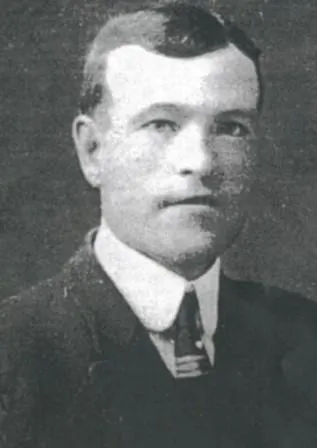
John Beaton
Canadian-American · 1875 – 1945
John Beaton was a Nova Scotia-born miner who, with partner William Dikeman, struck gold on Otter Creek on Christmas Day 1908, launching the Iditarod Gold Rush, Alaska's last great stampede, and the boomtowns of Iditarod and Flat.
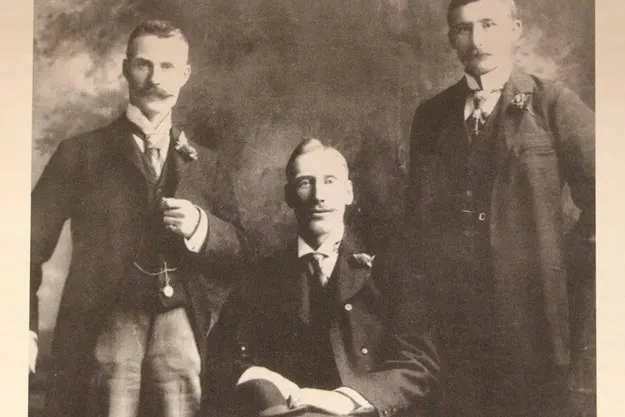
John Brynteson
Swedish-American · 1871 – 1959
John Brynteson was a Swedish immigrant miner and one of the 'Three Lucky Swedes' who discovered gold on Anvil Creek in September 1898, founding the Nome mining district and setting off the Nome Gold Rush of 1899-1900.
John Gregory
American · b. 1820
John H. Gregory was a Georgia prospector whose May 1859 discovery of the first gold lode in the Rocky Mountains, in the gulch above present-day Black Hawk and Central City, proved the Pike's Peak rush real and opened 'the richest square mile on earth.'
John Moss
American · 1823 – 1880
John Moss was a far-ranging frontier prospector credited with locating some of the first silver and gold lodes in Nevada's El Dorado Canyon in 1861, a district on the Colorado River that boomed through the Civil War years.
John Reed (Johannes Reith)
German (Hessian immigrant) · 1757 – 1845
John Reed (born Johannes Reith) was a Hessian soldier who deserted British service, settled in North Carolina, and after his son's 1799 nugget find opened the Reed Gold Mine, site of the first documented gold discovery in the United States. He died a wealthy farmer in 1845.
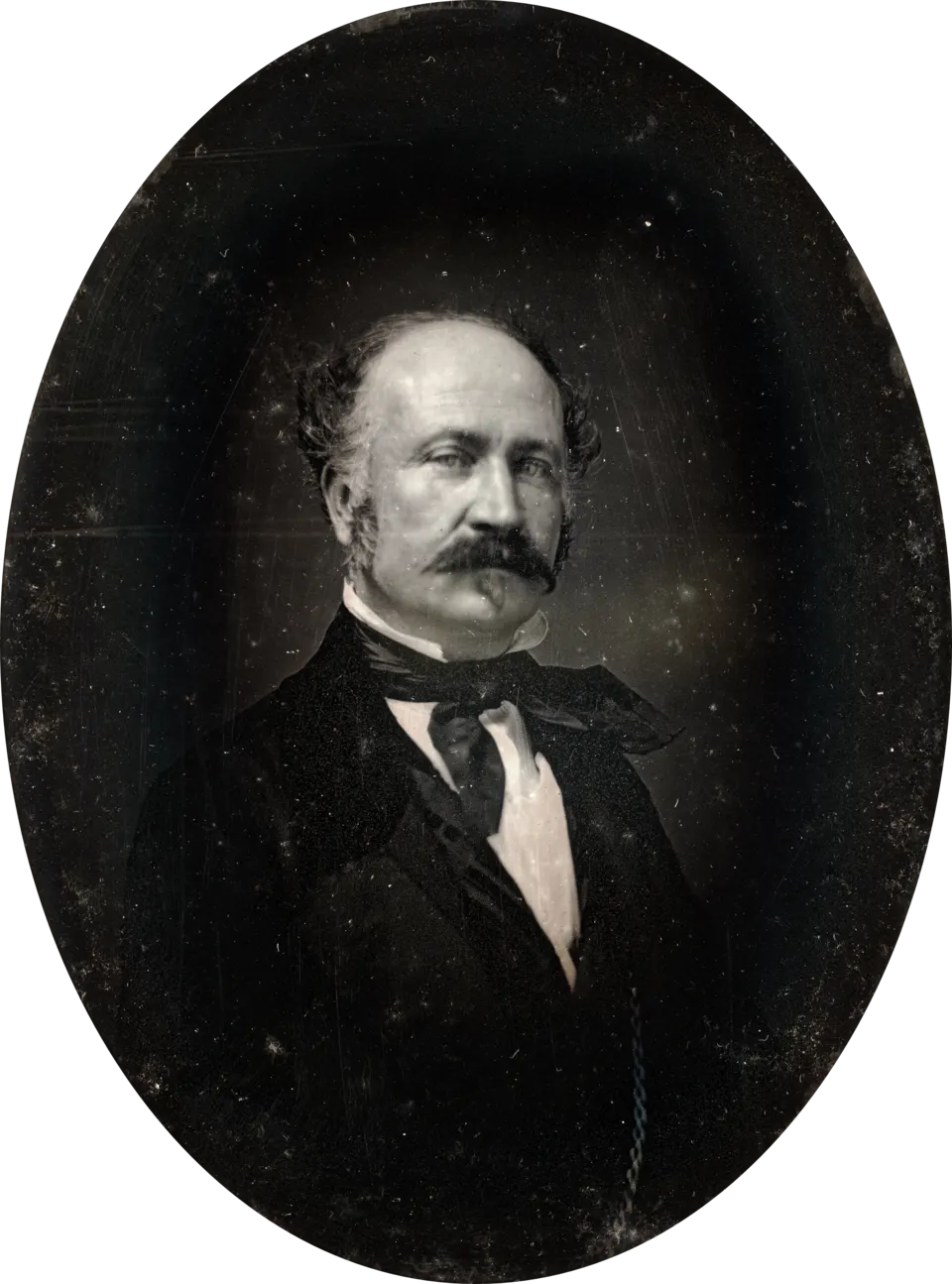
John Sutter
Swiss-American · 1803 – 1880
John Sutter was a Swiss-born pioneer who founded the New Helvetia colony at present-day Sacramento and owned the sawmill where gold was found in January 1848. The ensuing gold rush overran his lands and ruined him, and he spent his last years seeking compensation.
John White
American
John White was a prospector among the Colorado "Pikes Peakers" who on July 28, 1862, discovered gold on Grasshopper Creek in present-day Montana — the strike that created Bannack, first capital of Montana Territory, and opened the Montana gold rushes.
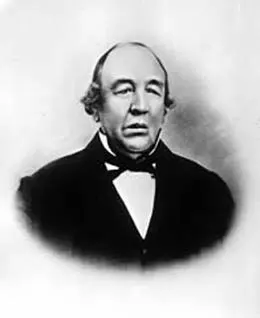
John Work
Irish · 1792 – 1861
John Work was an Irish-born Hudson's Bay Company chief factor whose reports of Haida gold finds helped spark the 1851-52 Queen Charlotte Islands gold excitement. A Victoria pioneer, he sat on Vancouver Island's Legislative Council until his death.
Johnny Chance
Johnny Chance is credited with discovering gold on Granite Creek in British Columbia's Tulameen country on 5 July 1885, reputedly while napping beside the stream. The strike set off the Granite Creek rush and built the boomtown of Granite City.
Joseph Good
American
Joseph Good was a southern Nevada prospector and cattleman of the El Dorado Canyon mining era whose herds watered at the desert spring that still bears his name as the town of Goodsprings, southwest of Las Vegas.
Kenny McLaren
Canadian
Kenneth 'Kenny' McLaren was a Canadian prospector who co-discovered gold with Fritz Miller on Pine Creek in 1898, triggering the Atlin Gold Rush that drew thousands of Klondike stampeders to northwestern British Columbia's last placer boom.
Lovely Rogers
Lovely Rogers was a Kern River prospector who, while tracking a stray mule around 1860, discovered the Big Blue lode near present-day Kernville, California. His strike gave rise to the camps that grew into Kernville, though records of his own life are scant.
Luman Van Valkenburg
Luman Van Valkenburg (also recorded as Lyman G. Van Valkenburg) was a Sumas, Washington, prospector who co-located the Lone Jack gold claim near Mount Baker in August 1897 with Jack Post and Russ Lambert, sharing in its $50,000 sale a year later.
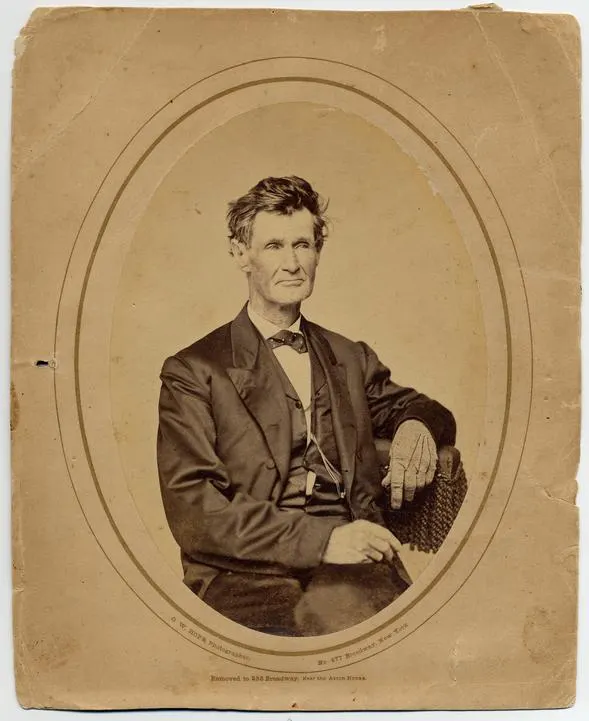
M. F. Stephenson
American · 1802 – 1882
Matthew Fleming Stephenson was a geologist and assayer of the Dahlonega branch mint in Georgia whose 1849 courthouse-steps plea urging miners not to leave for California was immortalized in the phrase "there's gold in them thar hills."
Martha Black
American-born Canadian · 1866 – 1957
Martha Black was a Chicago-born stampeder who climbed the Chilkoot Pass in 1898 while pregnant, built a life in Dawson City, and in 1935, at age 69, became the second woman ever elected to the Canadian House of Commons, representing the Yukon.
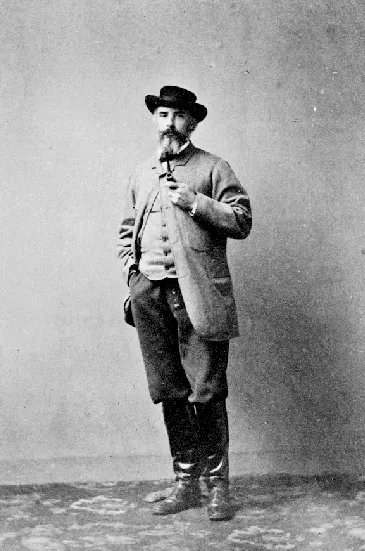
Matthew Baillie Begbie
British · 1819 – 1894
Sir Matthew Baillie Begbie was the first judge and later Chief Justice of British Columbia, who rode circuit through the Fraser and Cariboo goldfields imposing British law. His popular label as the 'hanging judge' is disputed by historians.
Matthias Barringer
American
Matthias Barringer was a North Carolina farmer who in 1825 traced placer gold on Long Creek to a quartz vein, opening the Barringer Mine — generally counted the first lode gold mine in the United States — and turning the Carolina gold rush toward underground mining.
Moses Manuel
Moses Manuel was a prospector who co-discovered the Homestake lode at Lead, Dakota Territory, in April 1876 with his brother Fred and partners Hank Harney and Alex Engh. Sold to George Hearst's syndicate for $70,000, the claim produced gold for 125 years.
Moses Splawn
American
Moses Splawn was an American prospector who, acting on a Bannock man's account of gold in a mountain basin, guided the 1862 expedition that co-discovered the Boise Basin goldfield with George Grimes, one of the richest placer districts in the Northwest.
Peter (enslaved miner, Reed Gold Mine)
American
Peter was an enslaved African American man forced to labor at the Reed Gold Mine in North Carolina, where around 1803 he unearthed a 28-pound gold nugget, the largest ever found there. His find enriched the mine's owners while he and other enslaved miners received nothing.
Peter O'Reilly
Irish (born England) · 1827 – 1905
Peter O'Reilly was a colonial magistrate and gold commissioner in British Columbia, keeping order at Rock Creek, the Cariboo, Wild Horse Creek and the Big Bend. He later spent 18 years as the province's Indian Reserve Commissioner.
Richard Keys
Richard Keys (also spelled Keyes) was a prospector whose 1853 gold discovery on the Kern River launched the Kern River gold rush in Southern California. The camp of Keysville, founded in 1854, and the Keys Mine both bear his name; little else about his life is recorded.
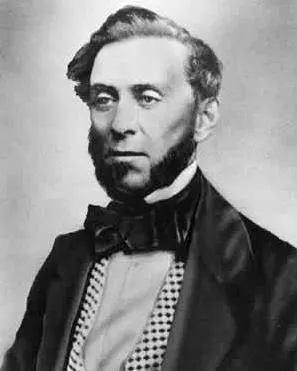
Samuel Brannan
American · 1819 – 1889
Samuel Brannan was a Mormon elder, newspaper publisher, and merchant who publicized the 1848 gold discovery in the streets of San Francisco and grew rich selling supplies to miners, becoming California's first millionaire before dying in poverty in 1889.
Sandy McIntyre
Scottish-Canadian · 1869 – 1943
Sandy McIntyre, born Alexander Oliphant in Scotland, staked claims at Pearl Lake during the 1909 Porcupine rush that became the great McIntyre Mine. He sold his interests cheaply and, despite a second famous strike, died poor in 1943.
Seth Ferrel
American
Seth Ferrel (also recorded as Ferrell) was an American prospector in Elias D. Pierce's 1860 party that slipped onto the Nez Perce reservation and found gold on Orofino Creek, the discovery that opened the Clearwater mines and founded Pierce, Idaho.
Skookum Jim Mason
Canadian (Tagish First Nation) · 1855 – 1916
Skookum Jim Mason (Keish) was a Tagish First Nation guide and packer who co-discovered gold on Bonanza Creek in 1896, triggering the Klondike Gold Rush. He was a respected figure in the Tagish community and later advocated for recognition of his and other Indigenous discoverers' role in the find.
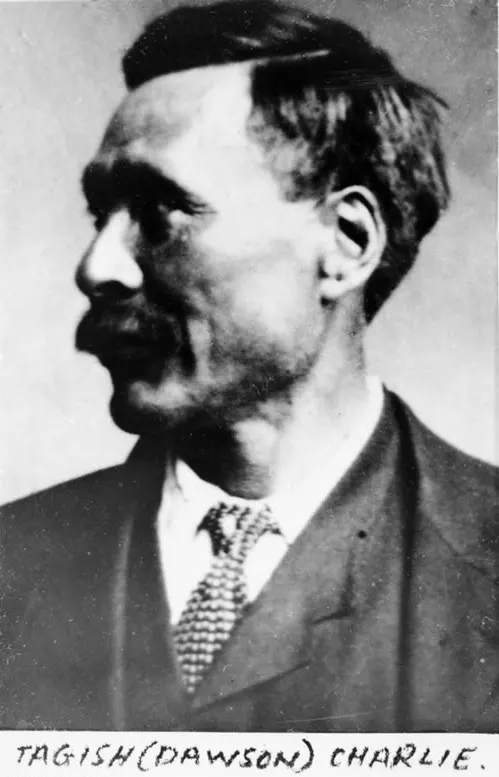
Tagish Charlie
Canadian (Tagish/Tlingit First Nation) · 1865 – 1908
Tagish Charlie (Káa Goox, also called Dawson Charlie) was a Tagish–Tlingit First Nation prospector who co-discovered gold on Bonanza Creek in August 1896 with Skookum Jim and George Carmack, staking one of the first three claims of the Klondike Gold Rush.
W.R. Bassett
American
W.R. Bassett, usually recorded as Wilbur F. Bassett, was the member of Elias D. Pierce's 1860 party credited with panning the first gold in Canal Gulch on Orofino Creek, the founding discovery of the Idaho goldfields.
W.S. Body
American · d. 1859
W.S. Body — usually remembered as William S. Bodey, though accounts differ on his name — was a prospector from Poughkeepsie, New York, who found gold northeast of Mono Lake in 1859 and died in a blizzard months later. The boomtown of Bodie, California, is named for him.
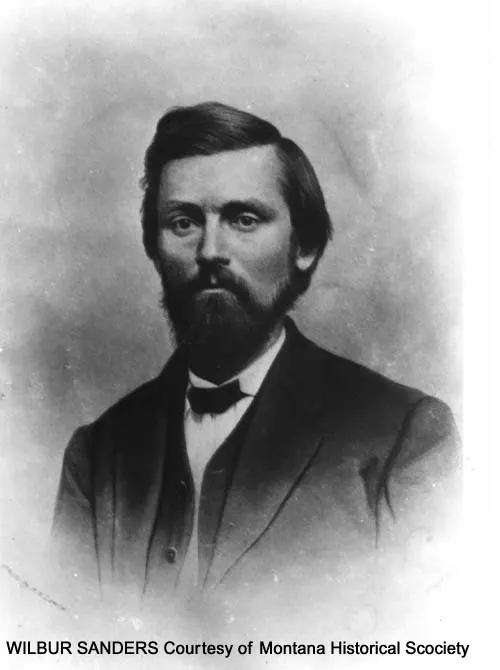
Wilbur Fisk Sanders
American · 1834 – 1905
Wilbur Fisk Sanders was a lawyer who prosecuted road agent George Ives in 1863 and helped found the Montana Vigilantes during the Alder Gulch gold rush. A founder of the Montana Historical Society, he later served as one of Montana's first U.S. senators.
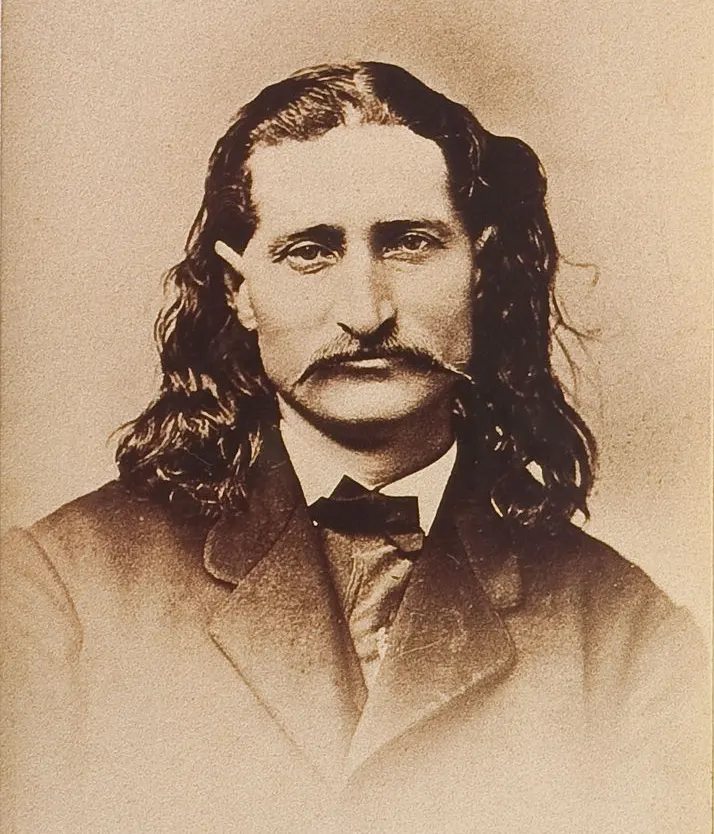
Wild Bill Hickok
American · 1837 – 1876
Wild Bill Hickok was a famed scout, lawman, and gunfighter who followed the gold rush to Deadwood in 1876. Weeks after arriving he was shot from behind by Jack McCall while playing poker, holding the aces-and-eights "dead man's hand," and became the town's great legend.
Wilhelm 'Dutch Bill' Dietz
Prussian (German) · d. 1877
Wilhelm 'Dutch Bill' Dietz was a Prussian-born sailor turned prospector who in February 1861 found gold on the Cariboo stream named Williams Creek in his honour, a discovery that opened one of the richest goldfields in the world.
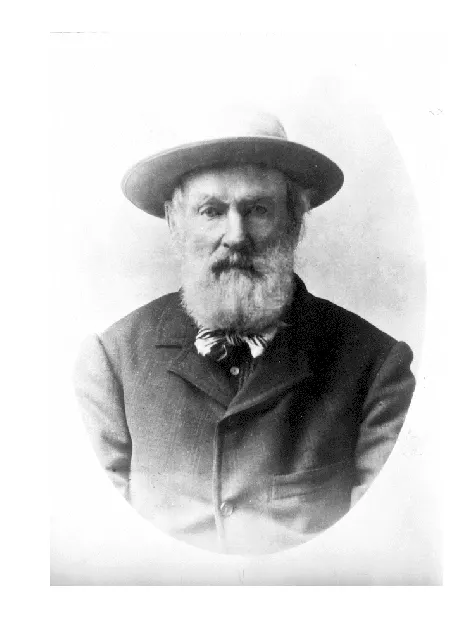
William 'Billy' Barker
British (born England) · 1817 – 1894
William 'Billy' Barker was an English prospector whose 1862 gold strike on Williams Creek became one of the richest claims of the Cariboo Gold Rush. The boomtown of Barkerville grew up around his shaft and still bears his name.
William Dikeman
American
William A. 'Bill' Dikeman was John Beaton's prospecting partner in the Iditarod country, sharing the Christmas Day 1908 gold strike on Otter Creek that set off the Iditarod Gold Rush. A creek in the district still bears his name.
William Francis Holcomb
American · 1831 – 1909
William Francis "Bill" Holcomb was an American prospector and bear hunter who discovered placer gold in May 1860 in the San Bernardino Mountains valley that now bears his name, setting off Southern California's largest gold rush. He later held county office and died in 1909.
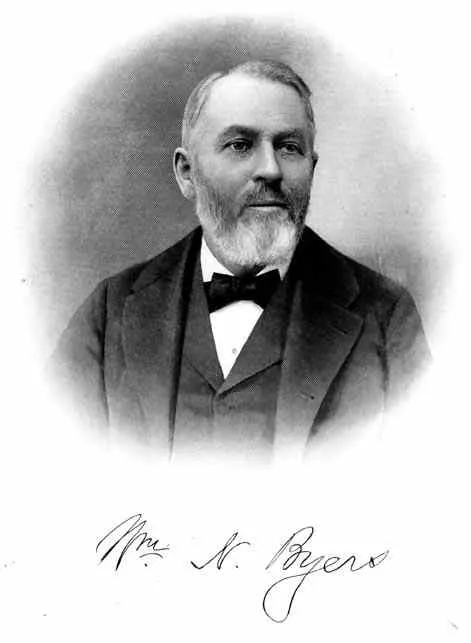
William N. Byers
American · 1831 – 1903
William N. Byers founded the Rocky Mountain News in 1859, printing Denver's first newspaper within days of arriving, and became the Pike's Peak gold rush's greatest promoter, boosting Colorado settlement for the rest of his life.
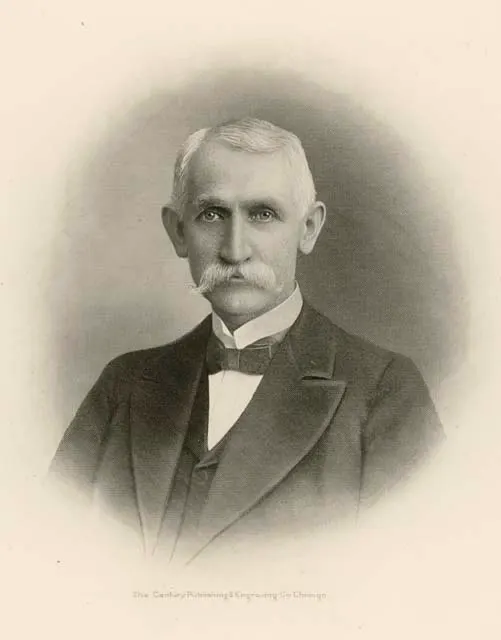
Winfield Scott Stratton
American · 1848 – 1902
Winfield Scott Stratton was a Colorado Springs carpenter who staked the Independence claim at Cripple Creek on July 4, 1891, became the district's first millionaire, sold the mine for $10 million, and gave much of his fortune away.
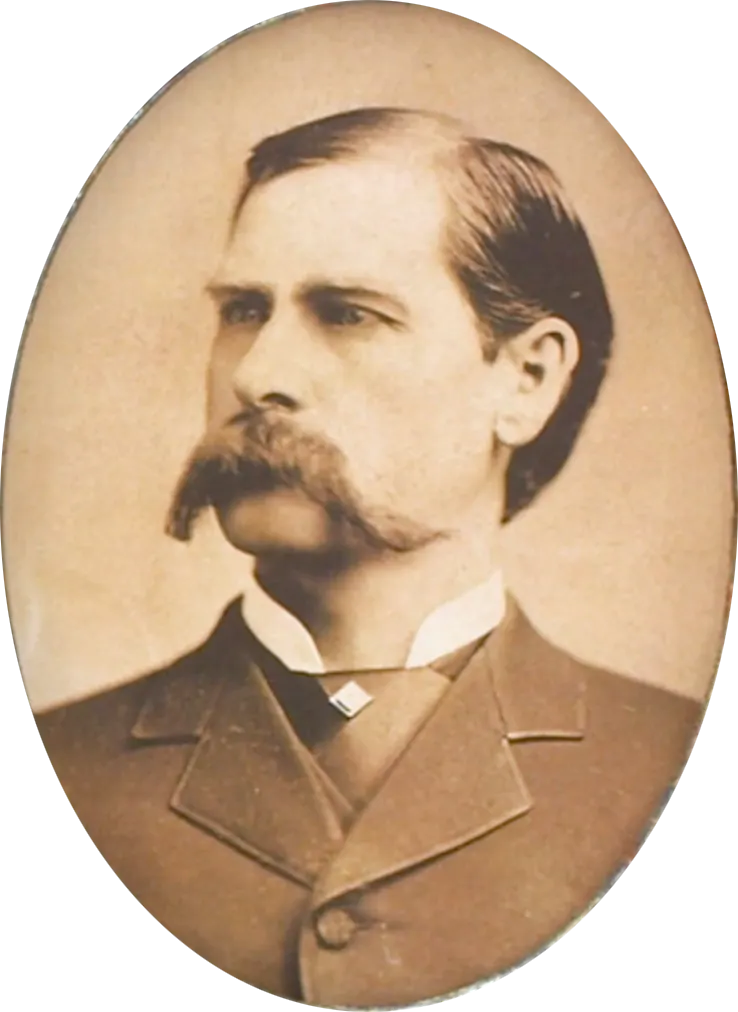
Wyatt Earp
American · 1848 – 1929
Wyatt Earp, the famed lawman and gambler of Dodge City and Tombstone, joined the Nome stampede in 1899 and ran the Dexter Saloon, one of the boomtown's grandest establishments, leaving Alaska two years later a wealthy man.