John Beaton
Canadian-American
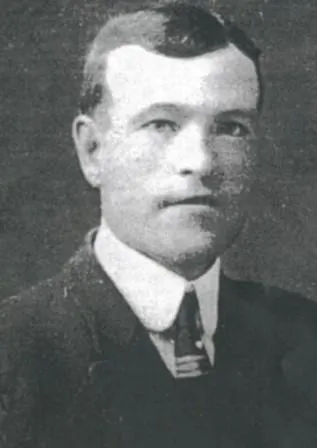
1875 – 1945
John Beaton was a Nova Scotia-born miner who, with partner William Dikeman, struck gold on Otter Creek on Christmas Day 1908, launching the Iditarod Gold Rush, Alaska's last great stampede, and the boomtowns of Iditarod and Flat.
Biography
John Beaton was born on August 9, 1875, to a Scottish Catholic family in Judique, on Cape Breton Island, Nova Scotia. He left home in 1899 for the Klondike, arriving too late for the boom, and crossed into Alaska in 1900, drifting through its mining camps for most of a decade.
In 1908 Beaton and his partner William A. Dikeman prospected the Iditarod River country in southwestern Alaska. After a fruitless summer they ran a steam launch as far upriver as it would go, built a cabin, and kept working through the freeze-up. On Christmas Day 1908, Beaton and Dikeman struck gold near the head of Otter Creek. News spread in 1909, and by 1910 thousands of stampeders had poured in, founding the boomtowns of Iditarod and Flat. Otter Creek proved to contain the widest paystreak ever mined in Alaska, and the district became the territory's third-largest placer producer after Fairbanks and Nome. The trail blazed to serve the diggings lives on in the name of the Iditarod sled dog race.
Beaton mined at Flat for nearly three decades. In 1918 his wife Florence and two of their children were lost in the sinking of the SS Princess Sophia. He remarried, sold his Otter Creek claims around 1937, and dredged on Ganes Creek in the Innoko district until the Second World War. He drowned with two other miners in June 1945 when their car ran off a bridge at Ganes Creek, and is buried in Anchorage. In 2008 Alaska marked the centennial of his strike with an 'Iditarod Gold Discovery Day.'