Conrad Reed
American
Conrad Reed was a farm boy in Cabarrus County, North Carolina, who in 1799, at about age twelve, pulled a 17-pound gold nugget from Little Meadow Creek — the find regarded as the first documented gold discovery in the United States, which led to the Reed Gold Mine.
Biography
Conrad Reed was born in the late 1780s, a son of John Reed, a Hessian veteran turned farmer, and his wife Sarah Kiser Reed of Cabarrus County, North Carolina. One Sunday in the spring of 1799, while playing in Little Meadow Creek on the family farm, the boy — about twelve years old — hauled a heavy, yellow, wedge-shaped rock from the water. Weighing about 17 pounds, it was unlike anything the family had seen, and for roughly three years it served as a doorstop in the Reed home.
In 1802 a Fayetteville jeweler identified the rock as gold and bought it from John Reed for $3.50 — a tiny fraction of its true value, later reckoned at about $3,600. Conrad's find is regarded as the first authenticated discovery of gold in the United States. It led directly to the opening of the Reed Gold Mine and, more broadly, to the Carolina gold rush, the nation's first, which made North Carolina the leading gold-producing state until 1848.
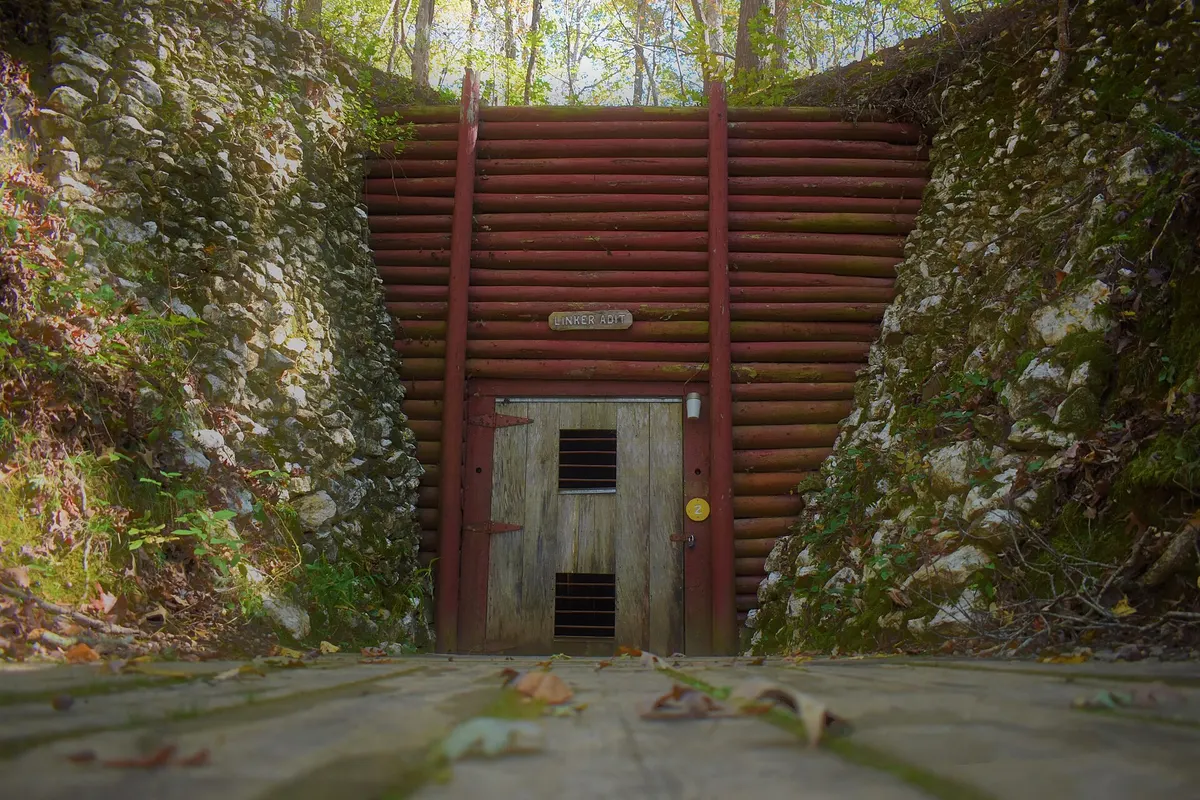
Conrad Reed remained in the Cabarrus County farming community where he was raised, sharing in the family's mining prosperity. The details of his later life are only thinly recorded, but his childhood find is commemorated at the Reed Gold Mine State Historic Site, where Little Meadow Creek still runs past the spot of the discovery.