Henry Thibert
French-Canadian
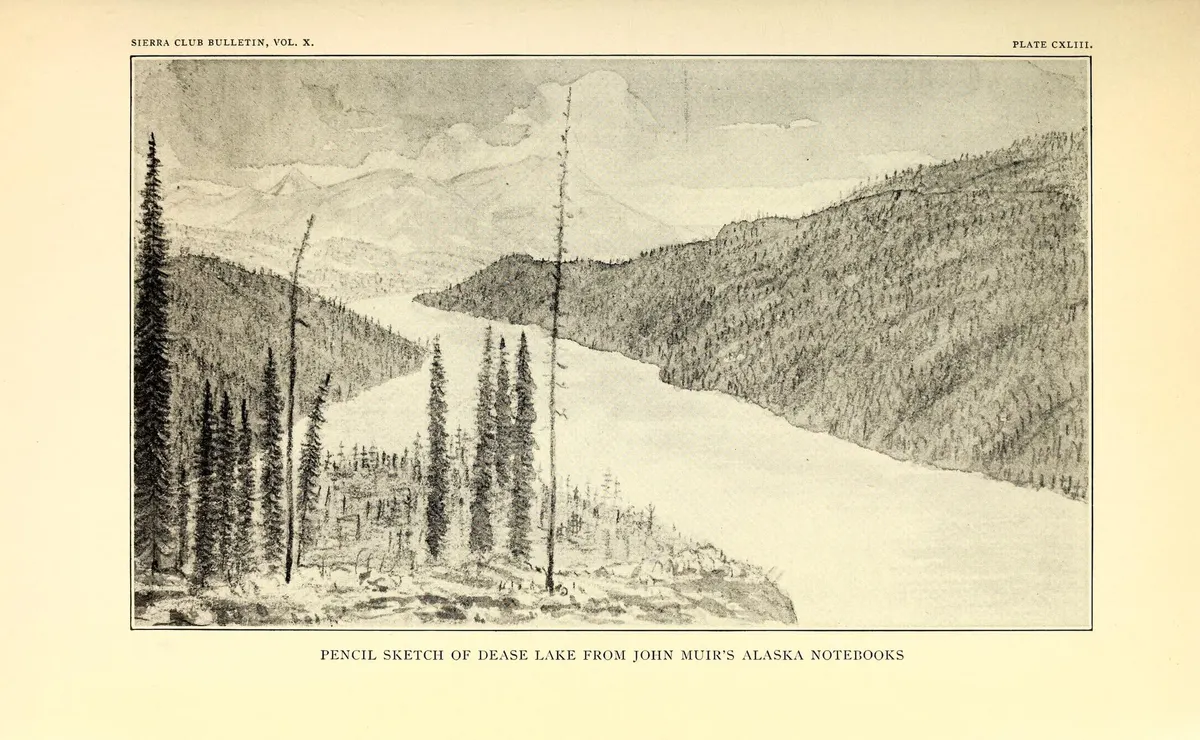
Henry Thibert was a French-Canadian prospector who, with Angus McCulloch, discovered gold in 1872 on a creek flowing into Dease Lake, igniting the Cassiar Gold Rush in northern British Columbia. Thibert Creek is named for him.
Biography
Henry Thibert was a French-Canadian prospector whose early life is poorly documented. In the early 1870s he and his partner Angus McCulloch made an epic overland prospecting journey across the northwest, and in the summer of 1872 the pair found placer gold on a creek draining into the north end of Dease Lake in the remote Cassiar country of northern British Columbia.
The discovery, on the stream soon named Thibert Creek, set off the Cassiar Gold Rush. When word reached the coast, miners poured up the Stikine River in 1873 and 1874, turning Wrangell into a boomtown and spreading to nearby Dease Creek and, in 1874, to the even richer McDame Creek. Thibert Creek itself was very rich in its first season, with reports of miners washing as much as three ounces to the pan, and the Cassiar produced several million dollars in gold during the 1870s.
The discoverers had little time to enjoy their find. Tradition holds that one of the two partners froze to death in the harsh winter that followed the discovery, but accounts differ on which man perished, with several versions naming Thibert himself; the historical record for both men is scarce, and their birth and death dates are unknown. Thibert's name, in any case, remains fixed to the creek where the Cassiar rush began.