James W. Marshall
American
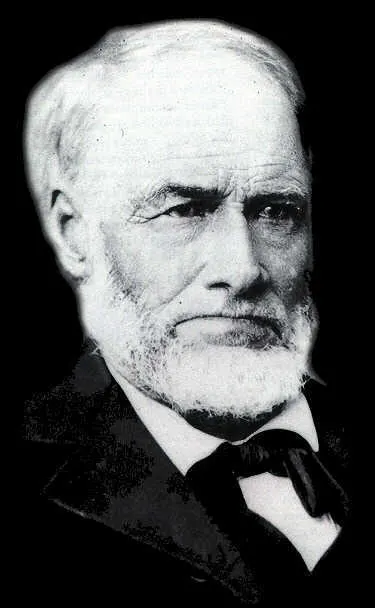
1810 – 1885
James W. Marshall was an American carpenter and sawmill builder whose discovery of gold flakes in the tailrace of Sutter's Mill at Coloma on January 24, 1848, touched off the California Gold Rush. He never profited from the find and died in poverty in 1885.
Biography
James Wilson Marshall was born on October 8, 1810, in Hopewell Township, New Jersey, and trained as a carpenter and wheelwright. He drifted west through Indiana, Illinois, and Missouri before crossing the plains to California, arriving at Sutter's Fort in the summer of 1845. He served briefly with John C. Frémont's California Battalion during the American conquest of California, then returned to work for John Sutter.
In 1847 Marshall entered a partnership with Sutter to build a water-powered sawmill on the South Fork of the American River at Coloma. On the morning of January 24, 1848, while inspecting the mill's tailrace, he noticed shining flecks in the channel bed. He hammered a piece flat to test its malleability and, after further tests at the fort, he and Sutter concluded it was gold. The two tried to keep the find quiet, but word escaped within months and the California Gold Rush began.
The rush ruined rather than rewarded Marshall. The mill failed when its workers left for the diggings, squatters overran his land claims, and his later ventures, including a vineyard at Coloma, came to little. The California legislature granted him a small pension from 1872 to 1878 in recognition of his discovery, but it was not renewed. Marshall died poor in a cabin at Kelsey, California, on August 10, 1885. In 1890 the state erected a monument over his grave on a hill above Coloma, where his statue points toward the spot of the discovery.