William 'Billy' Barker
British (born England)
1817 – 1894
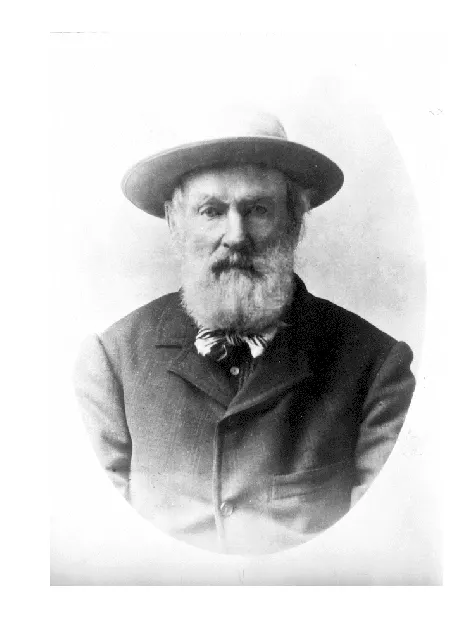
William 'Billy' Barker was an English prospector whose 1862 gold strike on Williams Creek became one of the richest claims of the Cariboo Gold Rush. The boomtown of Barkerville grew up around his shaft and still bears his name.
Biography
William 'Billy' Barker was born in 1817 in March, Cambridgeshire, England, where he was baptized at St Wendreda's Church in June of that year. He worked as a waterman on England's inland waterways before emigrating, trying his luck in the California goldfields with little success, and joining the rush north to the Fraser River in British Columbia in 1858.
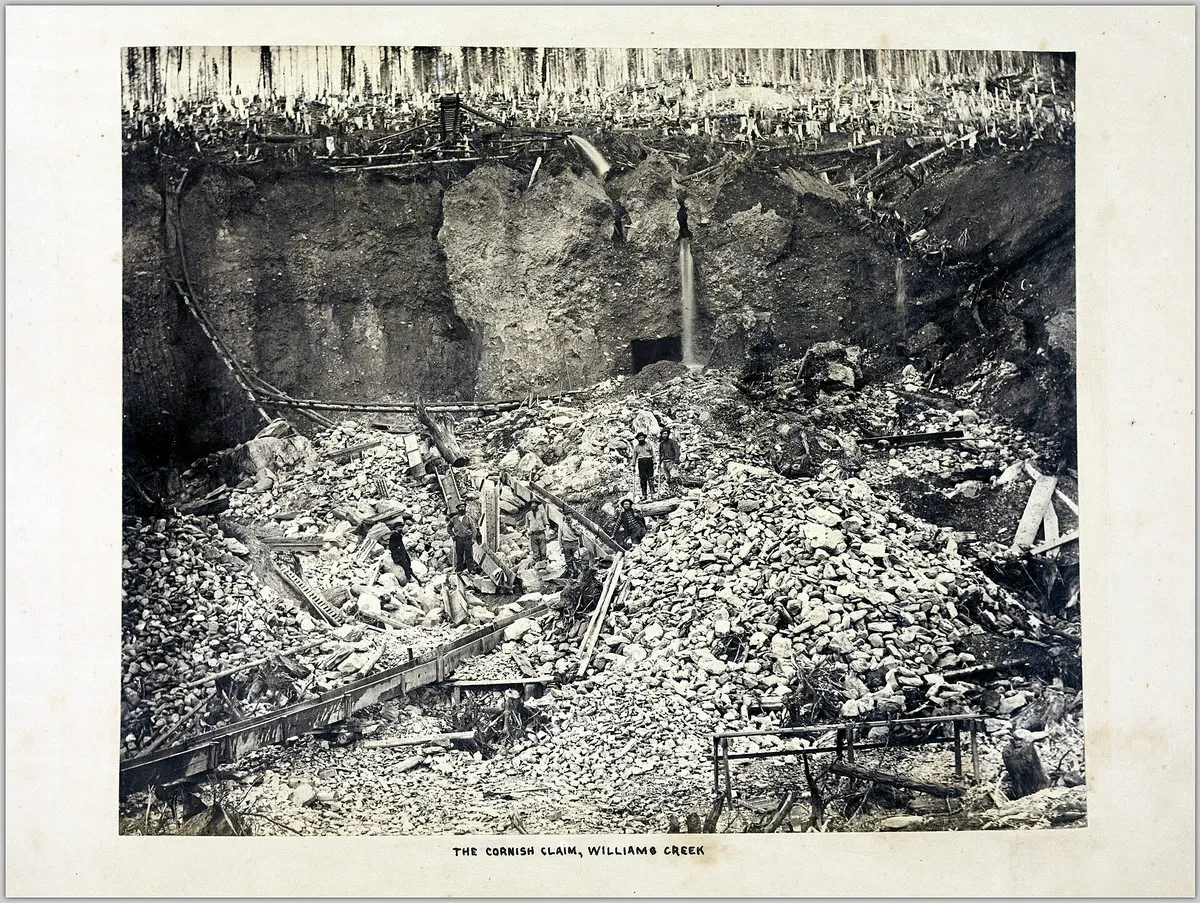
In 1862 Barker moved to Williams Creek in the Cariboo, where he made an unconventional gamble: instead of working the proven ground upstream, he and his partners sank a shaft below the canyon, ground most miners dismissed as worthless. At a depth of about 52 feet the Barker company struck exceptionally rich pay gravel, an initial haul of some 60 ounces that proved the deep-lead theory of the creek. The claim ultimately yielded roughly 37,500 ounces of gold, and the town of Barkerville, which sprang up around the diggings, became the largest settlement of the Cariboo Gold Rush.
Barker's later years were far less fortunate. He married widow Elizabeth Collyer in Victoria in 1863, spent freely, invested in unsuccessful ventures, and sold his interest in the famous claim after its richest ground was worked out. He died penniless in Victoria on 11 July 1894, suffering from cancer of the jaw, and was buried in Ross Bay Cemetery. Barkerville, now a preserved historic town, remains his monument.