John Sutter
Swiss-American
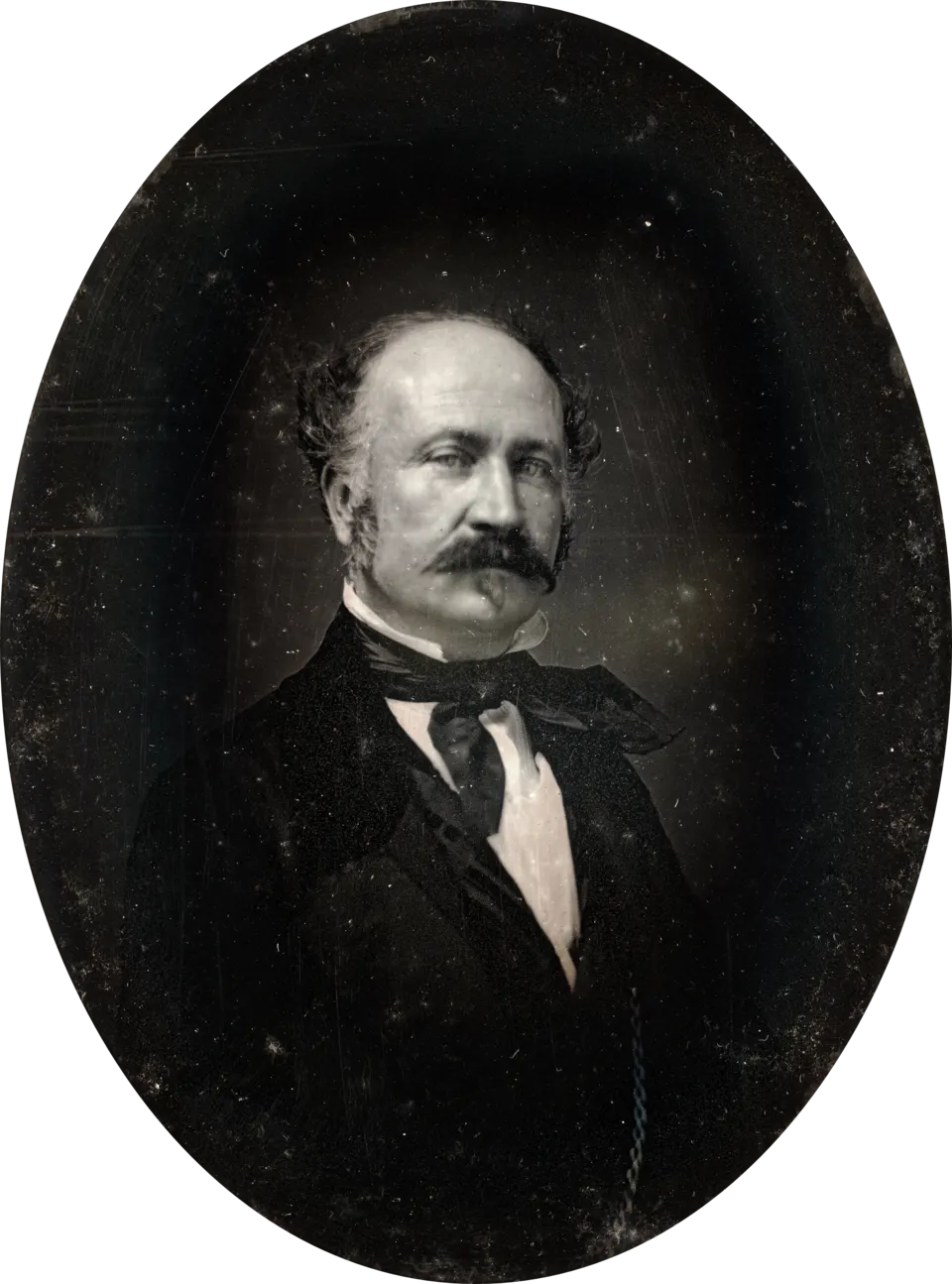
1803 – 1880
John Sutter was a Swiss-born pioneer who founded the New Helvetia colony at present-day Sacramento and owned the sawmill where gold was found in January 1848. The ensuing gold rush overran his lands and ruined him, and he spent his last years seeking compensation.
Biography
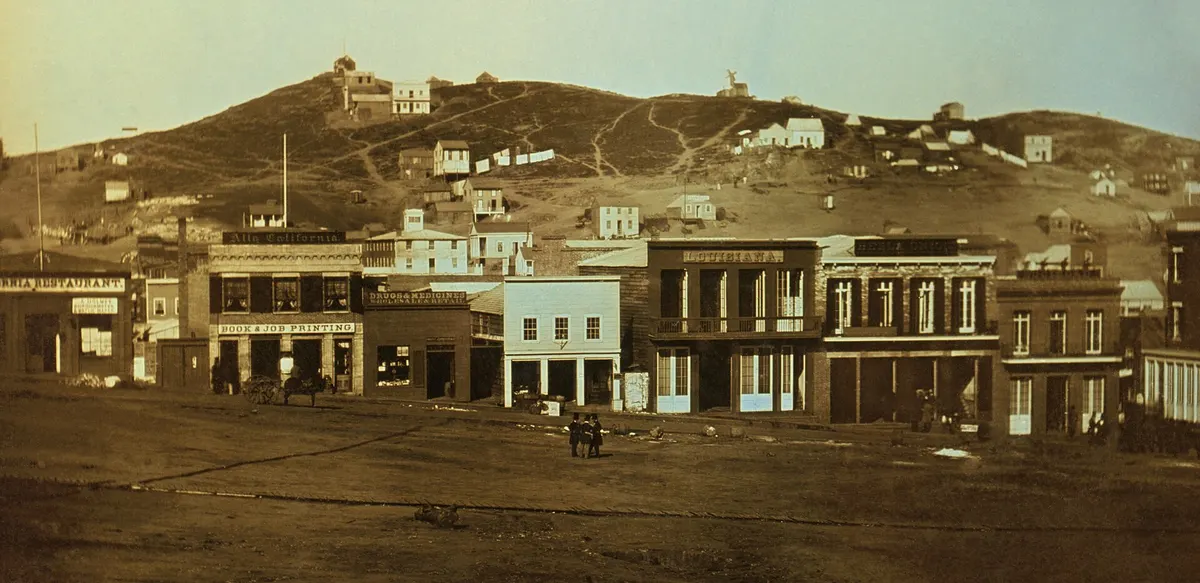
Johann August Sutter was born on February 23, 1803, in Kandern, Baden, to a family of Swiss origin. Leaving debts behind, he sailed for America in 1834 and reached Alta California by way of Oregon and Hawaii, arriving at Yerba Buena in July 1839. Becoming a Mexican citizen, he obtained a land grant of nearly 49,000 acres at the junction of the Sacramento and American rivers, where he built Sutter's Fort and founded the agricultural colony of New Helvetia, the nucleus of modern Sacramento.
In 1847 Sutter sent James W. Marshall to build a sawmill on the American River at Coloma. Marshall's discovery of gold in the mill's tailrace on January 24, 1848, made Sutter's name famous and destroyed his fortune. His laborers deserted for the mines, forty-niners squatted on and plundered his lands, and his debts mounted. In 1858 the U.S. Supreme Court invalidated one of his major land grants, completing his financial ruin.
Sutter spent his final years in Lititz, Pennsylvania, petitioning Congress for restitution for losses suffered in the gold rush. He died in Washington, D.C., on June 18, 1880, two days after Congress adjourned without acting on his claim. Sutter's Fort survives as a state historic park, and his name remains attached to counties, streets, and landmarks across Northern California — a legacy now weighed alongside his harsh exploitation of Native American labor at New Helvetia.