George Armstrong Custer
American
1839 – 1876
George Armstrong Custer was a U.S. Army cavalry officer whose 1874 Black Hills Expedition confirmed gold on French Creek, triggering the Black Hills gold rush on Lakota treaty land. Two years later he and his immediate command were annihilated at the Little Bighorn.
Biography
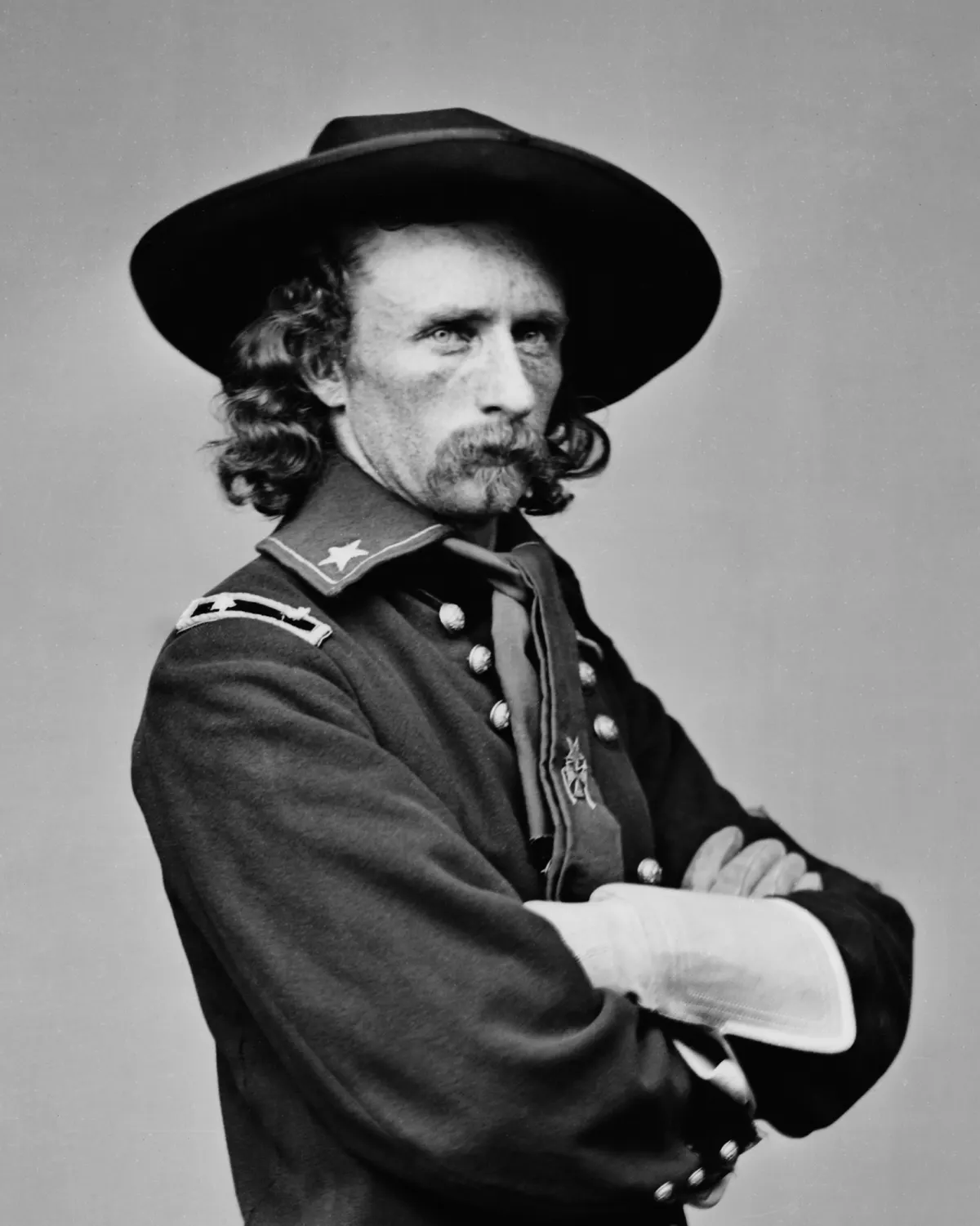
George Armstrong Custer was born on December 5, 1839, in New Rumley, Ohio. He graduated last in his West Point class in June 1861 yet rose spectacularly in the Civil War, becoming a brigadier general of volunteers at twenty-three and winning fame as a Union cavalry commander from Gettysburg to Appomattox. After the war he was appointed lieutenant colonel of the newly formed 7th U.S. Cavalry and became a celebrated, controversial figure of the Indian Wars.
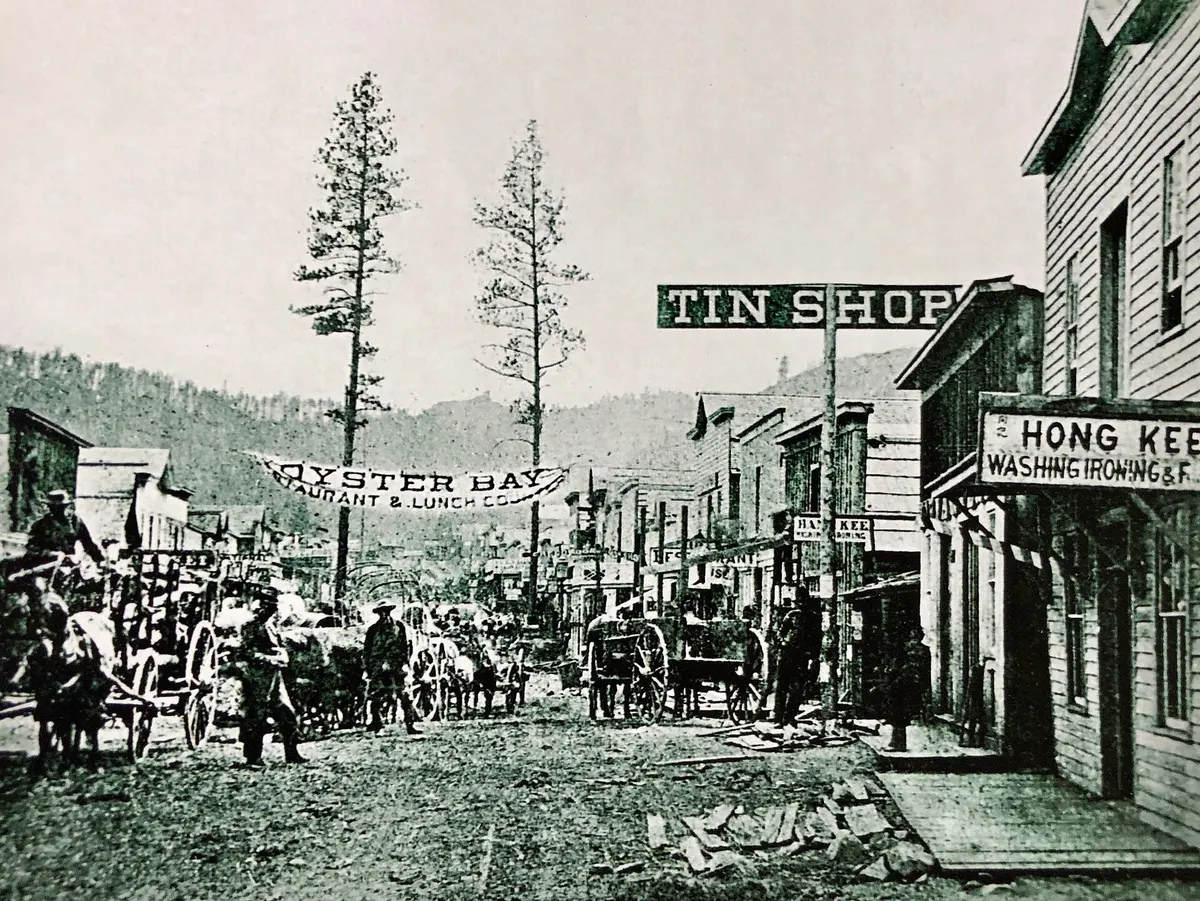
In the summer of 1874 Custer led roughly a thousand soldiers, scientists, and prospectors on the Black Hills Expedition into territory guaranteed to the Lakota by the 1868 Treaty of Fort Laramie. When the expedition's miners washed gold from French Creek near present-day Custer, South Dakota, the news raced east in official dispatches and newspaper reports, and thousands of miners poured illegally into the Hills. The government's failure to keep them out, and its subsequent drive to buy or seize the Black Hills, led directly to the Great Sioux War of 1876.
In that war Custer led the 7th Cavalry against the Lakota, Northern Cheyenne, and Arapaho villages gathered under Sitting Bull. At the Little Bighorn in Montana Territory on June 25, 1876, he divided his regiment and attacked; he and every soldier of the five companies under his immediate command were killed. "Custer's Last Stand" made him an enduring American legend, while the gold rush he helped unleash cost the Lakota the Black Hills — a seizure the U.S. Supreme Court ruled uncompensated and unlawful in 1980.