W.S. Body
American
d. 1859
W.S. Body — usually remembered as William S. Bodey, though accounts differ on his name — was a prospector from Poughkeepsie, New York, who found gold northeast of Mono Lake in 1859 and died in a blizzard months later. The boomtown of Bodie, California, is named for him.
Biography
The prospector whose name the gold town of Bodie, California, carries is an elusive figure. He is usually identified as William S. Bodey of Poughkeepsie, New York, but period sources also render the name W.S. Body, Waterman S. Body, and other variants, and accounts of his identity differ; early district records used the spellings "Bodey" and "Body" interchangeably. He is generally described as a tinsmith who joined the California Gold Rush and stayed on to prospect the eastern Sierra.
In the summer of 1859 Bodey was among a small party of prospectors who found placer gold in the high desert hills northeast of Mono Lake. He never saw what came of the strike: in November of that year, caught in a blizzard while hauling supplies from the camp of Monoville, he perished in the snow, and accounts say his remains were not recovered until the following spring.
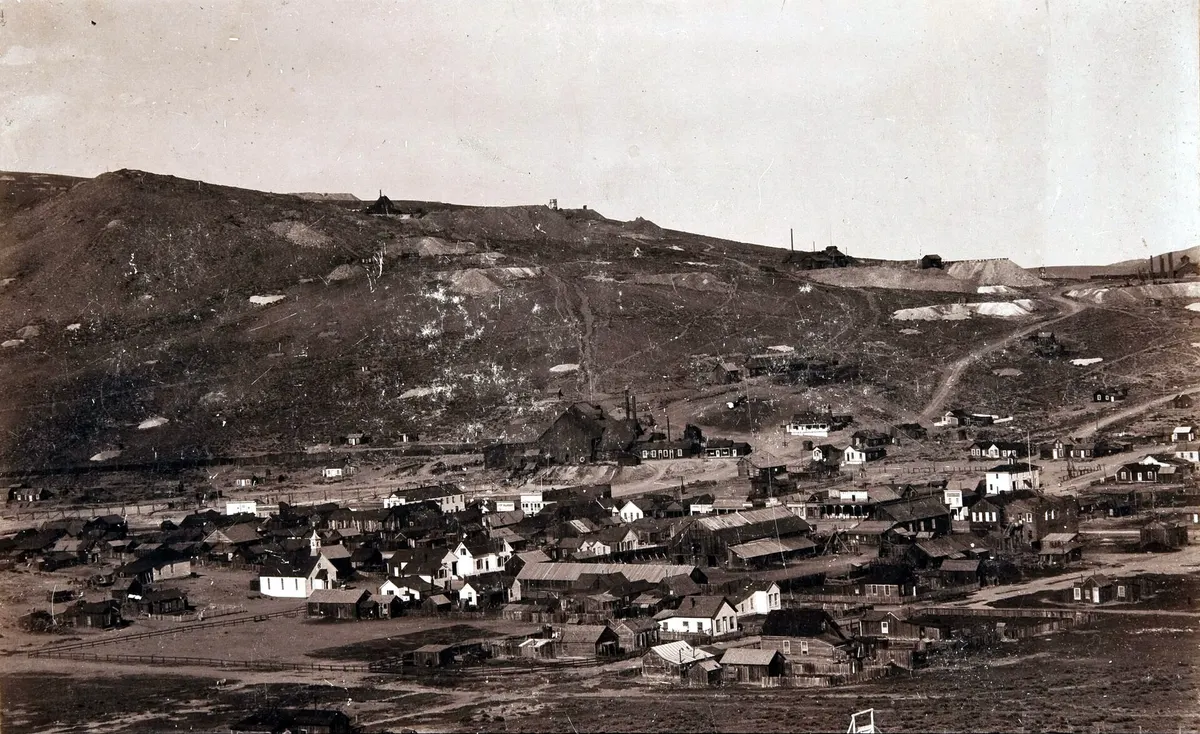
Mining at the site grew slowly until rich ore was opened in the mid-1870s, and by 1879 Bodie was one of the largest and rowdiest boomtowns in the West. The town's spelling was fixed, tradition holds, when a sign painter in nearby Aurora lettered a sign "Bodie Stables" and the form stuck. Bodie is preserved today as a state historic park, one of America's best-kept ghost towns, carrying the name of the prospector who froze to death before it was born.