E.T. Barnette
American
1863 – 1933
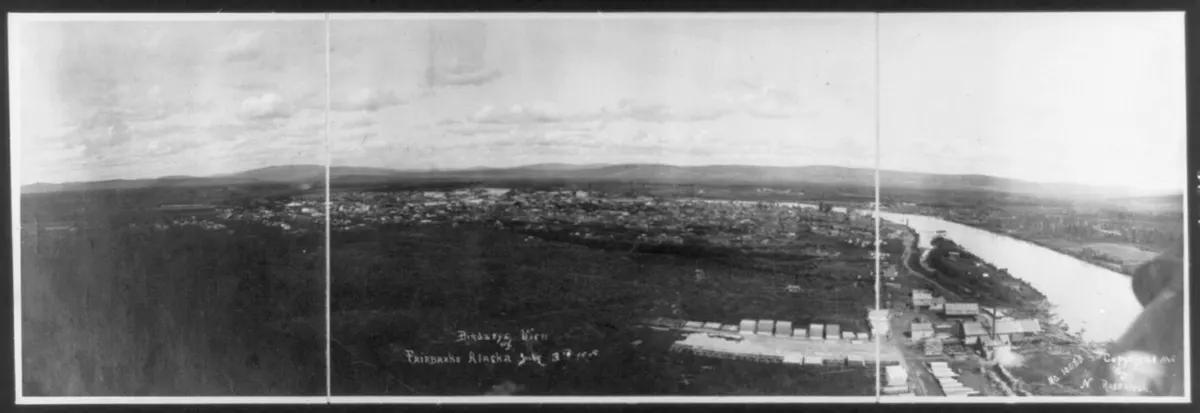
E.T. Barnette was a riverboat trader whose supplies were put ashore on the Chena River in 1901 when his steamer could go no farther. Felix Pedro's 1902 gold strike turned the stranded trading post into Fairbanks, and Barnette became the city's first mayor.
Biography
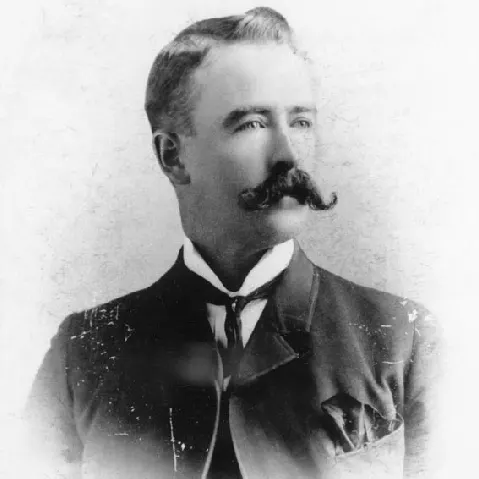
Elbridge Truman Barnette was born in 1863 in Akron, Ohio. His early career was checkered: convicted of theft in the Pacific Northwest in the 1880s, he served prison time before heading north to the Yukon and Alaska goldfields, where he worked as a trader and riverboat man.
In August 1901 Barnette chartered the steamer Lavelle Young to carry a stock of trade goods up the Tanana River, intending to found a post at Tanacross on the route to the Valdez trail. Low water blocked the way, and the captain put Barnette, his wife, and his outfit ashore on the banks of the Chena River. The involuntary trading post looked like a disaster until July 1902, when Felix Pedro struck gold a dozen miles to the north. Barnette promoted the find relentlessly, and the resulting stampede built a city around his stockade. Named Fairbanks at the urging of Judge James Wickersham, it became the metropolis of interior Alaska, and Barnette was elected its first mayor in 1903.
Barnette grew rich as a merchant, banker, and postmaster, but his empire ended in scandal. When the Washington-Alaska Bank failed in 1911, depositors accused him of looting it; he was tried for embezzlement and convicted only on a minor charge, escaping with a fine. Reviled in the town he founded, he left Alaska for good and died in Los Angeles on May 22, 1933.