Skookum Jim Mason
Canadian (Tagish First Nation)
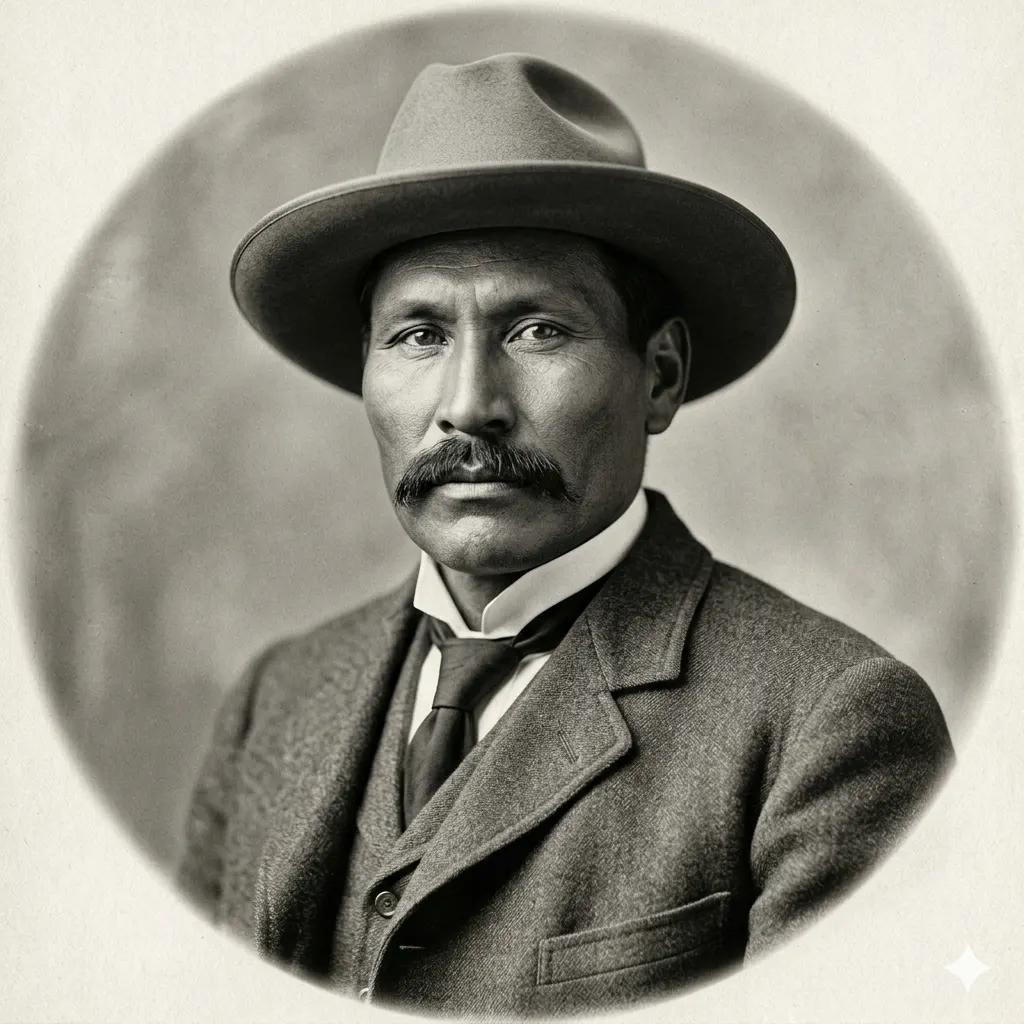
1855 – 1916
Skookum Jim Mason (Keish) was a Tagish First Nation guide and packer who co-discovered gold on Bonanza Creek in 1896, triggering the Klondike Gold Rush. He was a respected figure in the Tagish community and later advocated for recognition of his and other Indigenous discoverers' role in the find.
Biography
Skookum Jim Mason, also known as Keish, was born around 1855 in the Tagish region of the Yukon. He worked as a packer and guide along the coastal trails into the interior, and was known for his strength and reliability—"Skookum" means "strong" or "reliable" in Chinook Jargon. In August 1896, he was with his nephew Dawson Charlie (Tagish Charlie) and George Carmack when gold was found on Rabbit Creek, later renamed Bonanza Creek. The discovery is credited to the three men; Indigenous oral tradition and later scholarship have emphasized Jim's and Charlie's central role in the find.
The trio staked claims and registered them; Carmack's name appeared first on the discovery claim, which later led to disputes and efforts to secure recognition and compensation for Jim and other Tagish. Skookum Jim became wealthy from the claims but continued to face discrimination and legal challenges. He used his resources to support his community and to advocate for the rights of Indigenous people in the region.
Skookum Jim Mason died in 1916 near Carcross, Yukon. His legacy includes his role in one of history's most famous gold rushes and his contributions to the Tagish and Yukon community. In 1998, the Canadian government recognized the role of Skookum Jim, Dawson Charlie, and Kate Carmack in the Klondike discovery, and his story remains an important part of the narrative of the gold rush and Indigenous history in the North.