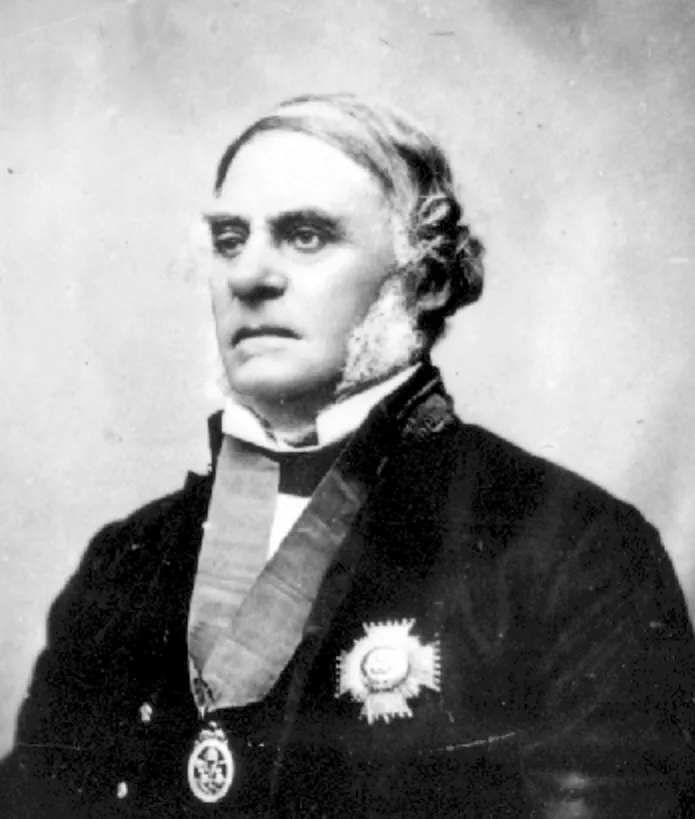
James Douglas
British (born British Guiana)
1803 – 1877
Sir James Douglas, a Hudson's Bay Company chief factor, was Governor of Vancouver Island and first Governor of British Columbia. He asserted British authority over the Fraser and Cariboo gold rushes and is called the 'Father of British Columbia'.
Biography
James Douglas was born on 15 August 1803 in Demerara, British Guiana (now Guyana), the son of a Scottish merchant and a free woman of colour of Barbadian descent. Educated in Scotland, he entered the fur trade at sixteen and rose through the Hudson's Bay Company to become a chief factor. He helped found Fort Victoria in 1843 and was appointed Governor of the Colony of Vancouver Island in 1851.
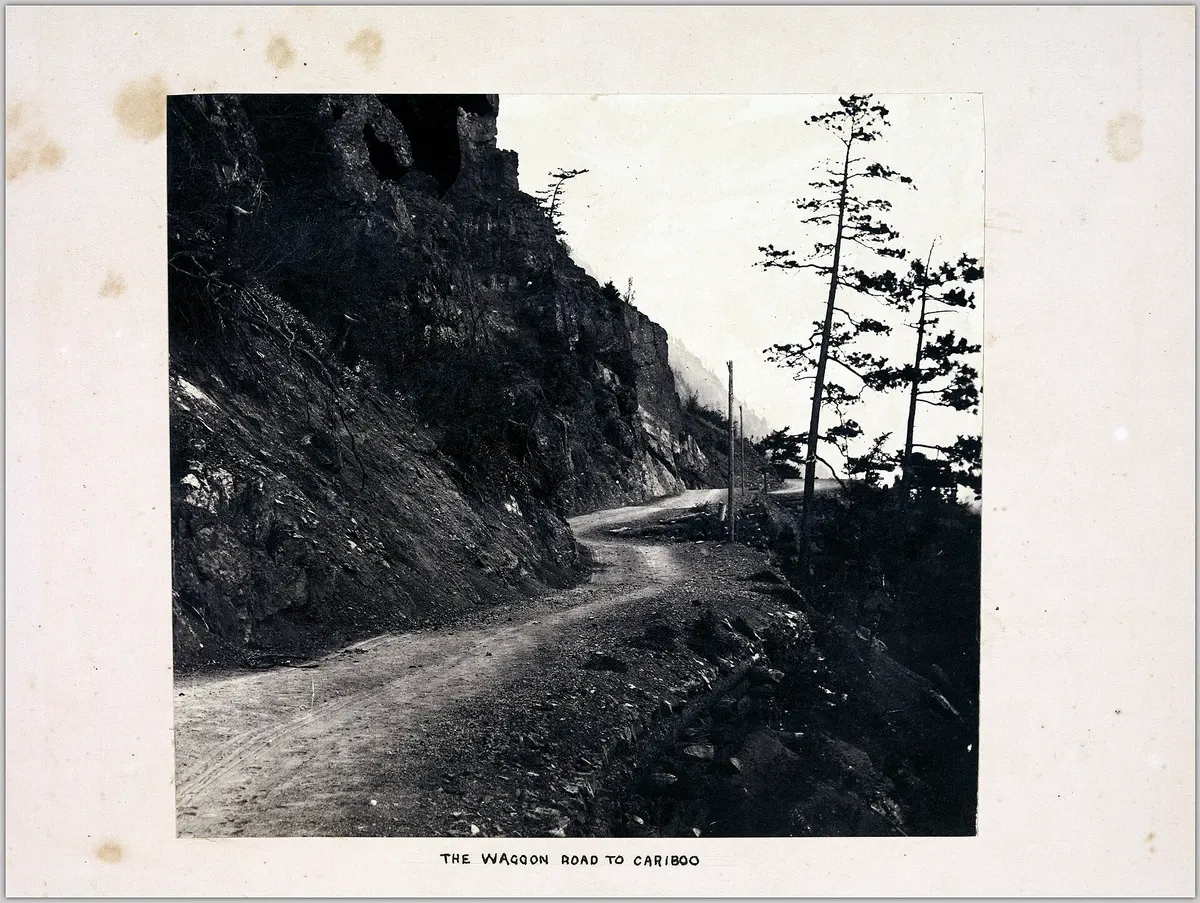
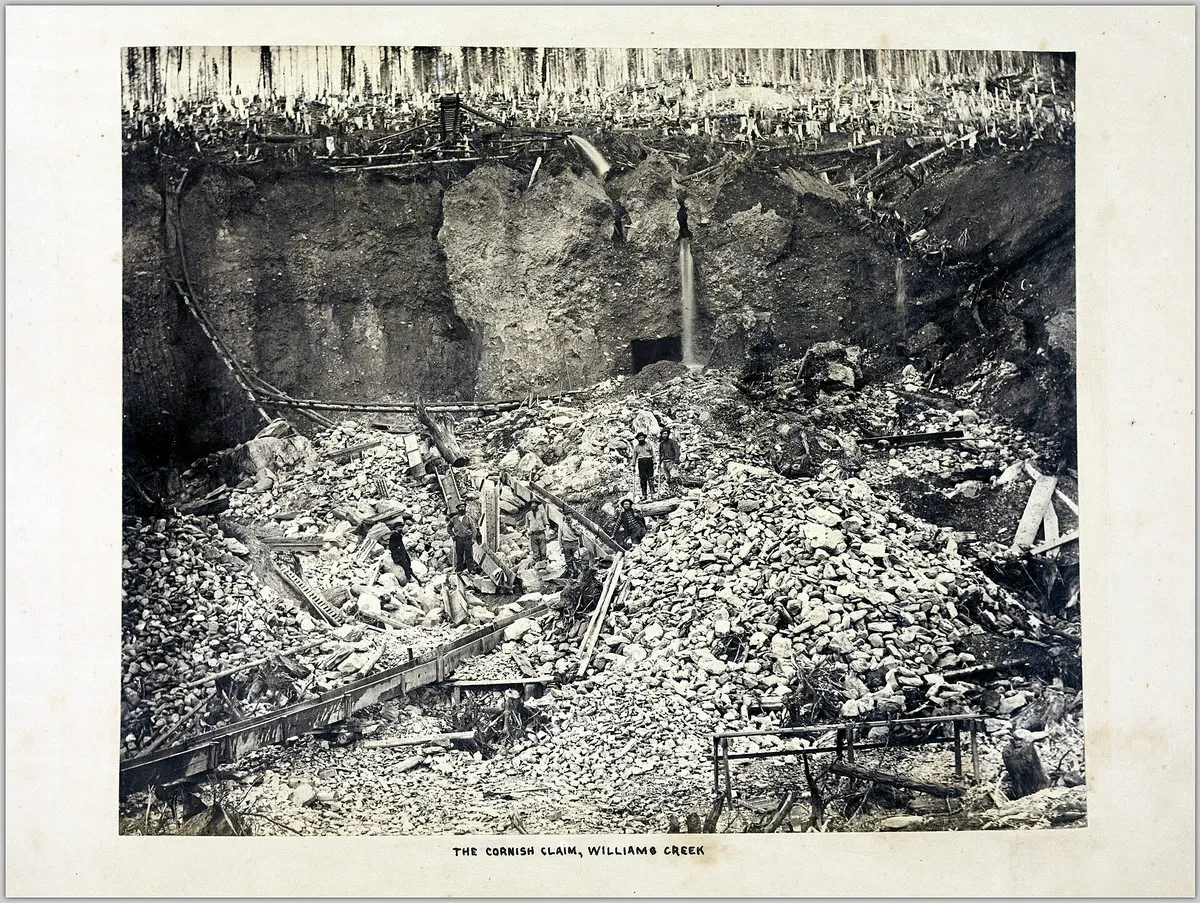
When news of Fraser River gold brought some 30,000 miners, most of them American, flooding north in 1858, Douglas moved decisively to assert British sovereignty, licensing miners and policing the river although he initially had no formal authority on the mainland. Britain responded by creating the Colony of British Columbia, and Douglas was sworn in as its first governor in November 1858, resigning his HBC position. During the Cariboo Gold Rush he commissioned the Cariboo Wagon Road through the Fraser Canyon, a massive engineering project that tied the goldfields to the coast.
Douglas governed both colonies until his retirement in 1864 and was made a Knight Commander of the Bath in 1863. His treaties on Vancouver Island and his relatively pragmatic dealings with Indigenous peoples remain subjects of historical debate, as does the colonial land policy that followed him. He died in Victoria on 2 August 1877, remembered as the 'Father of British Columbia'.