John Reed (Johannes Reith)
German (Hessian immigrant)
1757 – 1845
John Reed (born Johannes Reith) was a Hessian soldier who deserted British service, settled in North Carolina, and after his son's 1799 nugget find opened the Reed Gold Mine, site of the first documented gold discovery in the United States. He died a wealthy farmer in 1845.
Biography
John Reed was born Johannes Reith on June 6, 1757, in the Hessian village of Raboldshausen in what is now Germany. Sent to America as a Hessian soldier in British service during the Revolutionary War, he deserted his post near Savannah, Georgia, on June 21, 1782, and made his way to the German-speaking farming community of what became Cabarrus County, North Carolina. There he anglicized his name, married Sarah Kiser, and settled into life as an industrious, unlettered farmer.
In 1799 his son Conrad pulled a 17-pound yellow rock from Little Meadow Creek on the farm. Not recognizing it, the family used it as a doorstop until 1802, when a Fayetteville jeweler identified it as gold and bought it from Reed for $3.50, a minute fraction of its worth. Wiser afterward, Reed formed a partnership in 1803 with three neighbors who supplied equipment and enslaved laborers to work the creek gravels in return for shares of the gold; that same season an enslaved man named Peter unearthed a 28-pound nugget, the largest ever found on the property.
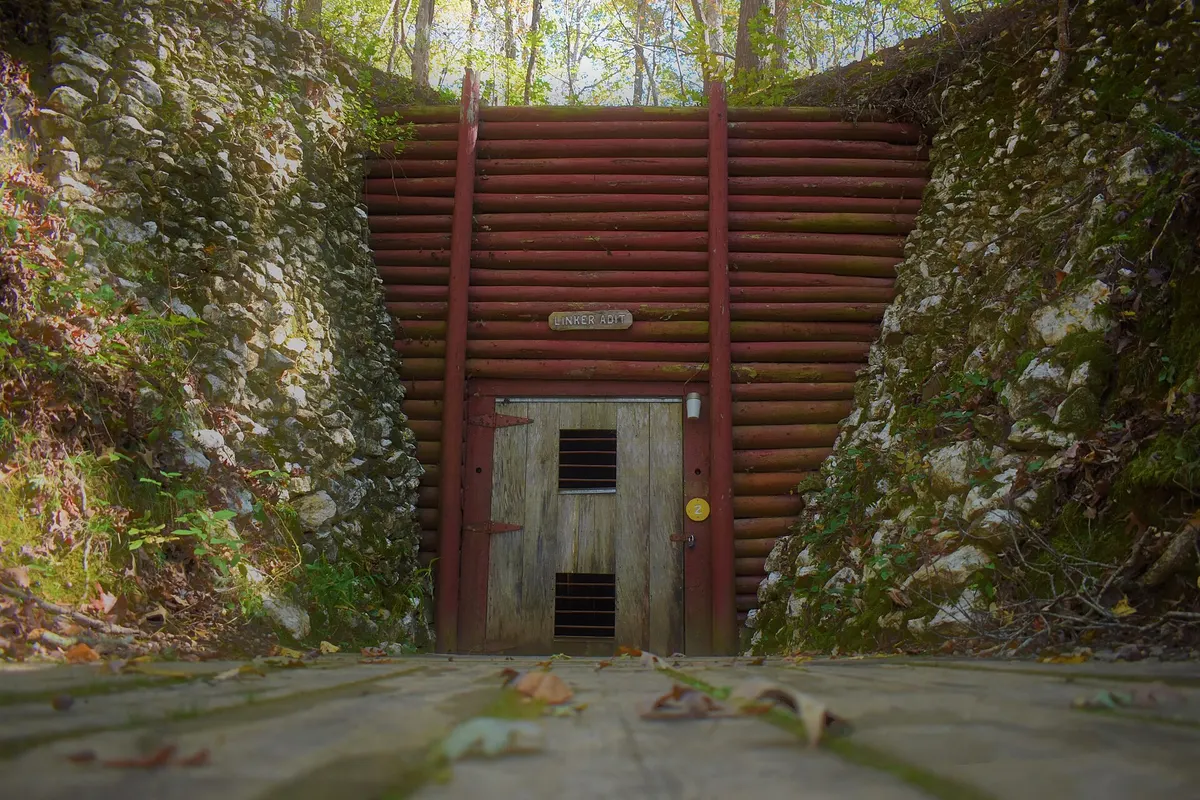
The Reed mine — the site of the first documented gold find in the United States — made Reed wealthy, though he considered himself a farmer first and mining remained a seasonal, after-harvest affair; underground mining did not begin there until 1831. Reed died on May 28, 1845, at age 88. His farm is preserved as the Reed Gold Mine State Historic Site near Midland, North Carolina.