Matthew Baillie Begbie
British
1819 – 1894
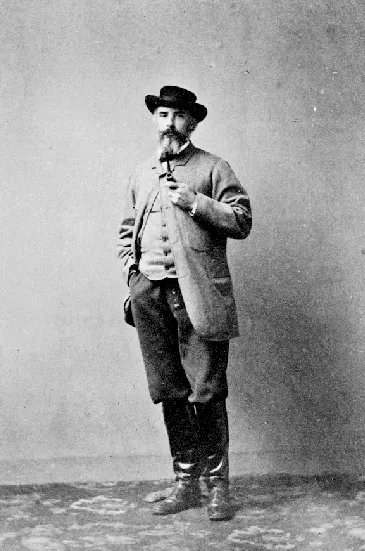
Sir Matthew Baillie Begbie was the first judge and later Chief Justice of British Columbia, who rode circuit through the Fraser and Cariboo goldfields imposing British law. His popular label as the 'hanging judge' is disputed by historians.
Biography
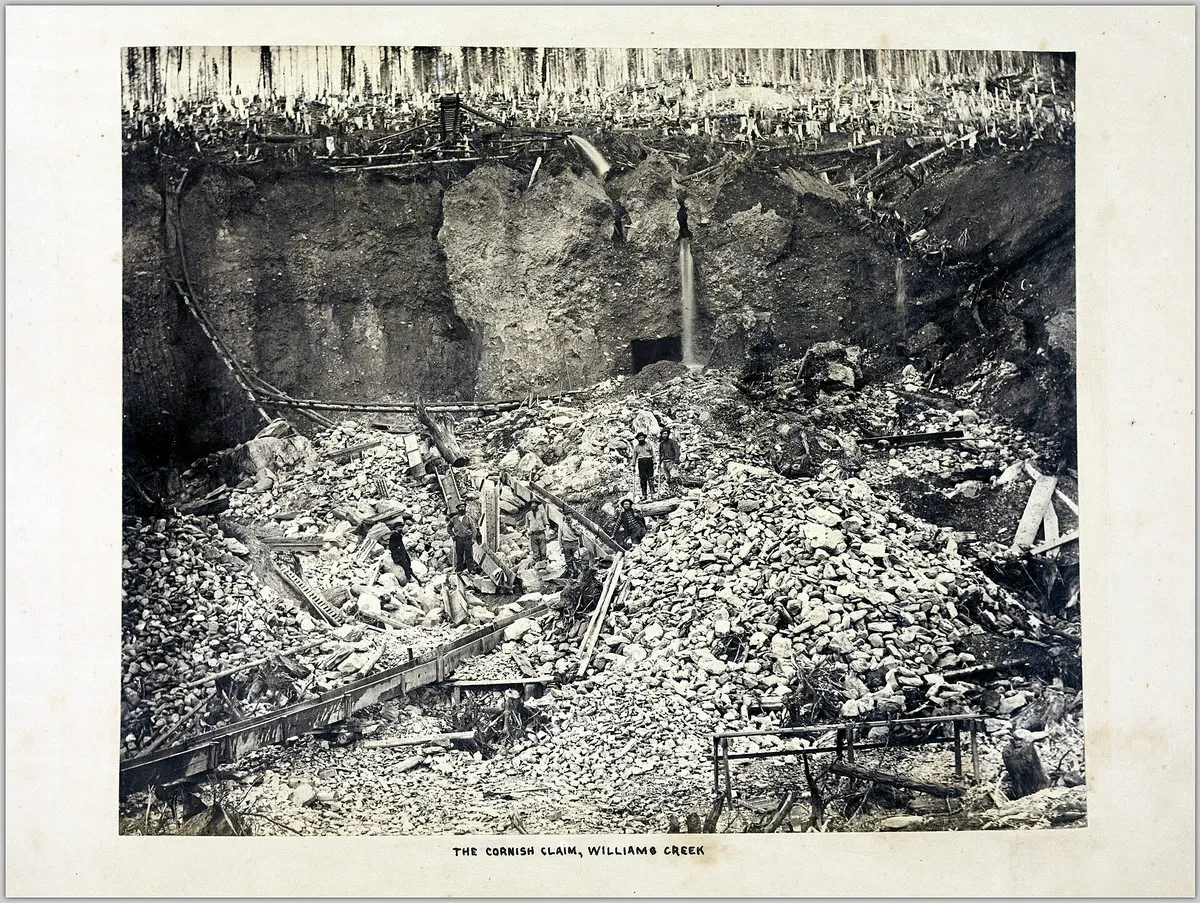
Matthew Baillie Begbie was born on 9 May 1819, probably aboard a British ship at the Cape of Good Hope, and was educated in Guernsey and at Cambridge before practising law in London. In 1858, as the Fraser River Gold Rush drew tens of thousands of miners into British territory, he was appointed the first judge of the new Crown Colony of British Columbia, arriving in time to help Governor James Douglas establish civil authority over the goldfields.
Begbie became famous for travelling enormous distances on horseback and on foot to hold court in remote mining camps, from the Fraser Canyon to the Cariboo, and once walked from New Westminster to Kamloops and back to proclaim new legislation. He became Chief Justice of the united colony and, after British Columbia joined Confederation in 1871, the province's first Chief Justice. He was knighted in 1875.
The 'hanging judge' epithet attached to his name only after his death, and historians have challenged it: death sentences for murder were mandatory in his era, and Begbie sought reprieves in many cases. He was also notable for defending Chinese residents against discriminatory legislation and for taking Indigenous testimony and land use seriously by the standards of his time, though his courts also presided over the executions of Tsilhqot'in chiefs after the Chilcotin War of 1864. He died in Victoria on 11 June 1894.