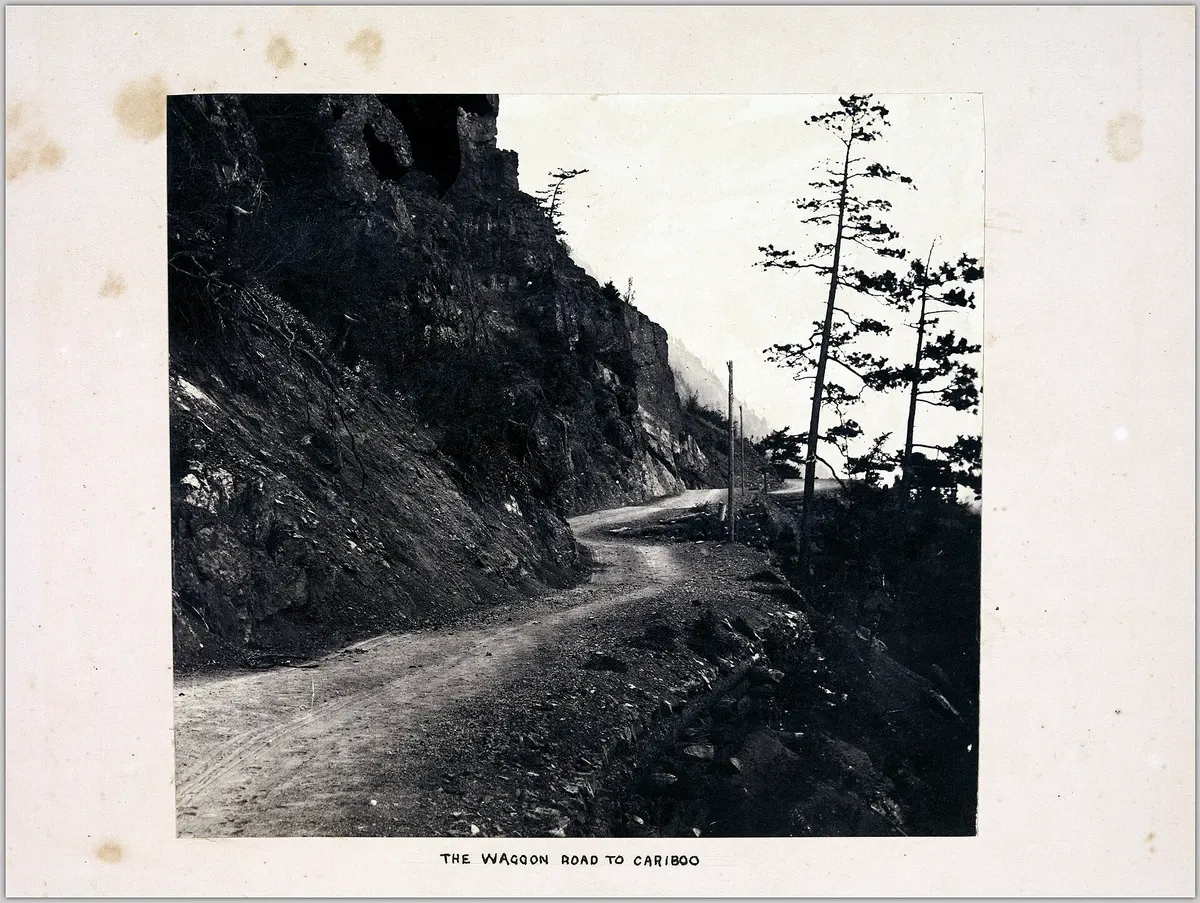
Tranquille, Thompson and Fraser River Gold Rush
British Columbia, 1856–1860
Date range
1856 – 1860
Key Towns
Yale, Hope, Lillooet, Lytton, Fort Langley, Kamloops
Trigger Event
Gold was discovered in the Thompson River by a Shuswap (Secwepemc) Nation member in 1856. In February 1858, a consignment of ~800 ounces of Thompson River gold was sent to the U.S. Mint in San Francisco for assaying; publication of the results triggered Pacific Coast newspaper coverage in March 1858 and a massive southward-to-northward migration of prospectors.
Gold Recovered
Estimated $2–$5 million in placer gold across the Thompson and Fraser bars; exact Tranquille-specific figures not documented
Peak Population
~30,000 prospectors at peak in 1858 along Fraser and Thompson bars, the majority American California veterans
Map: Tranquille, Thompson and Fraser River Gold Rush (50.67, -120.33)
The discovery of gold in the Thompson River watershed in 1856 marked the beginning of British Columbia’s gold rush era, predating the far more famous Fraser Canyon rush by two years. The first confirmed discovery was made by a member of the Shuswap (Secwepemc) Nation, who found placer gold near Tranquille Creek, a small tributary of the Thompson River flowing into Kamloops Lake. The find was initially known only to the Hudson’s Bay Company and a handful of Indigenous traders, and circulated quietly through the HBC’s network of posts without attracting wider attention.
Small parties of prospectors began working the Thompson River bars through 1856 and 1857, their activities largely unreported and their finds modest enough to remain beneath the notice of the California mining press. The situation changed dramatically in early 1858, when a consignment of approximately 800 ounces of Thompson River gold was sent to the U.S. Mint in San Francisco for assaying. The mint’s receipt of the gold, combined with the publication of assay results, triggered a wave of reporting across the Pacific Coast press. Newspapers in Washington Territory and Oregon ran stories about the gold-bearing rivers of the British territory to the north in March 1858, and within weeks, California’s mining population — already restless after years of diminishing Sierra Nevada returns — was mobilizing for a northward migration.
The initial influx moved first along the lower Thompson River and then rapidly toward the Fraser, where the richest concentrations of placer gold had been found. Yale, at the head of navigation on the Fraser River, emerged as the primary staging point for prospectors moving upriver, its small HBC outpost rapidly overwhelmed by commercial infrastructure. By midsummer 1858, an estimated 30,000 prospectors were working the Fraser River bars between Hope and Lillooet — a staggering number for a territory that had held only a few thousand non-Indigenous people just months before. Many of these men were veterans of California’s rush, bringing with them the tools, knowledge, and volatility that had characterized the American experience.
Governor James Douglas, administering the mainland territory from Victoria, immediately recognized the existential threat posed by the influx. The vast majority of the new prospectors were American, and Douglas feared that without a firm assertion of British authority, the territory could slip into de facto American occupation through sheer weight of population. He moved swiftly, establishing a licensing regime, dispatching colonial officials and police, and using the gold rush as the primary argument for the formal creation of the Colony of British Columbia, proclaimed on August 2, 1858 — one of the most consequential political outcomes of the original Tranquille discovery.
Alfred Waddington, a prominent entrepreneur and later a pamphleteer of the rush, estimated there were 10,500 miners on the Fraser at the rush’s peak. Waddington would go on to become infamous for the disastrous Bute Inlet Road project of the 1860s, which sparked the Chilcotin War, but in 1858 he was one of many entrepreneurs who recognized and documented the extraordinary scale of what the Thompson River gold discovery had set in motion.
The Fraser Canyon War of 1858, in which American miners clashed violently with Indigenous communities defending their territory along the river, underscored the destabilizing power of the rush and reinforced Douglas’s determination to establish firm British legal authority before the situation deteriorated further. The colonial government’s rapid response — licensing, law enforcement, the appointment of judges, and the commissioning of infrastructure — was directly shaped by the scale and speed of the migration triggered by that first 1856 Shuswap discovery on Tranquille Creek.
Timeline
Gold rush begins
Rush concludes / mining activity winds down
Notable Figures
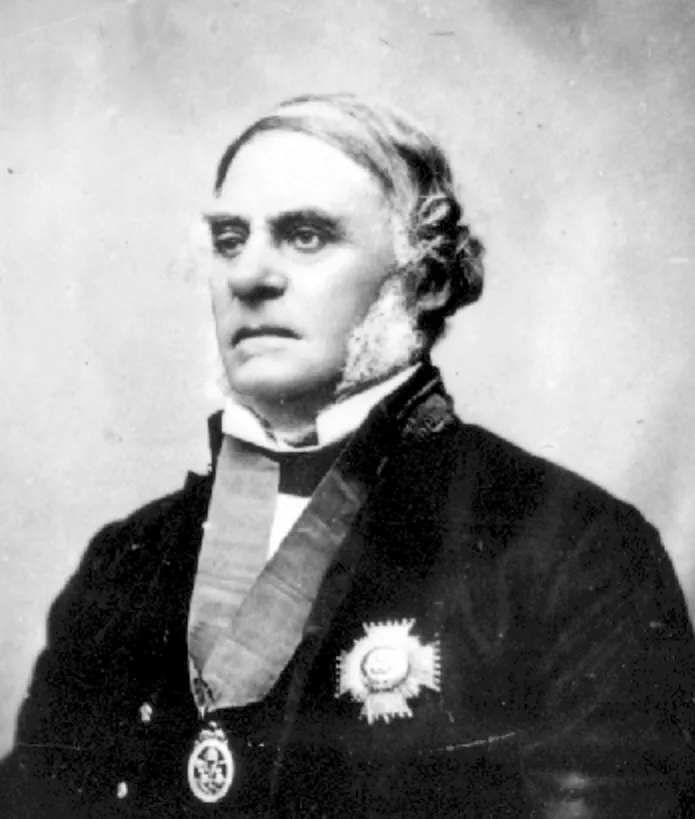
James Douglas
Notable FigureSir James Douglas, a Hudson's Bay Company chief factor, was Governor of Vancouver Island and first Governor of British Columbia. He asserted British authority over the Fraser and Cariboo gold rushes and is called the 'Father of British Columbia'.
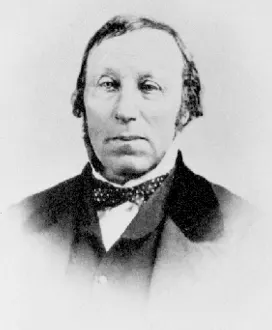
Alfred Waddington
Notable FigureAlfred Waddington was an English merchant and promoter of the Fraser River Gold Rush who wrote the colony's first non-government book and championed a road from Bute Inlet to the Cariboo, a scheme that ended in the Chilcotin War of 1864.
Gold gathered by Secwépemc people on the Tranquille River and traded to the Hudson's Bay Company helped ignite the great rush of 1858, when word reached California and some 30,000 miners surged up the Fraser and Thompson rivers. The stampede forced Britain to proclaim the mainland Colony of British Columbia that November — the rush literally created the province. It also brought war: armed miner companies clashed with Nlaka'pamux defenders in the Fraser Canyon War, ended by negotiation at Lytton, while disease and dispossession followed the diggings upriver through Secwépemc, Nlaka'pamux, and Stó:lō territories. Chinese miners arrived in force and stayed, founding communities from Yale to Kamloops.
Today the rush is remembered along the Fraser Canyon's historic corridor — Yale, Hope, Hells Gate, and Lytton — and on the Gold Rush Trail. The Kamloops Museum & Archives interprets the Tranquille and Thompson story near where it began, and river bars on the Fraser still draw recreational panners every summer.