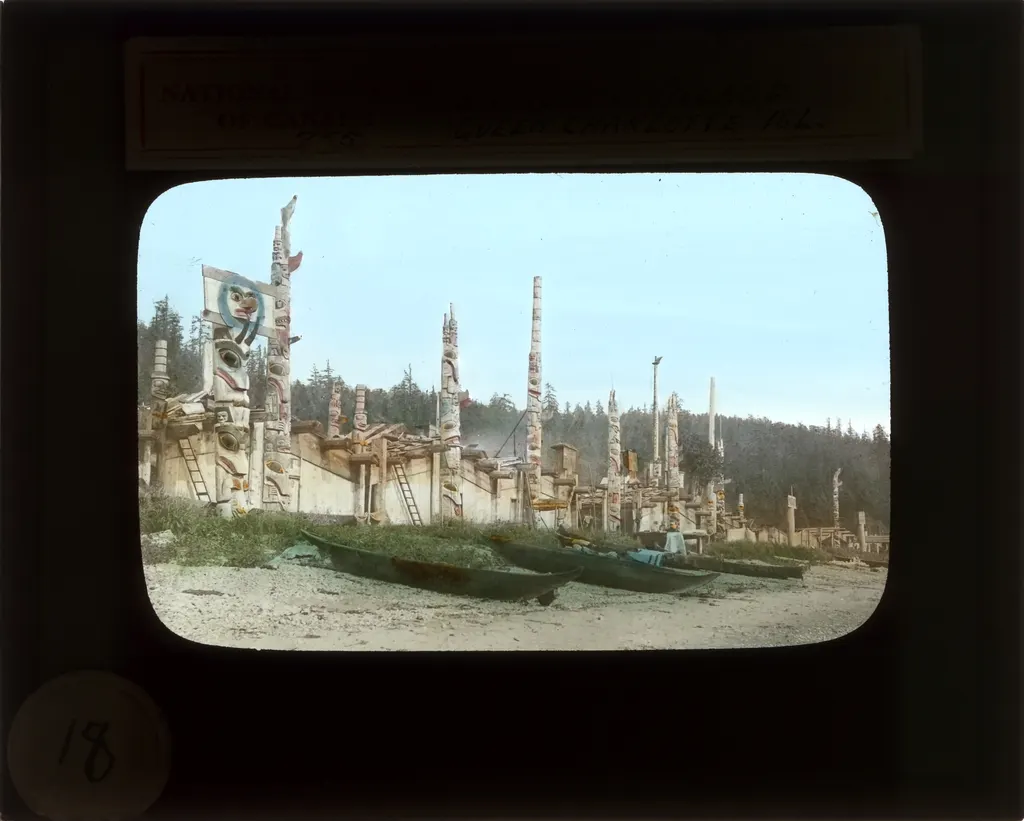
Queen Charlottes Gold Rush (B.C.)
British Columbia, 1850–1853
Date range
1850 – 1853
Key Towns
Gold Harbour (Moresby Island), Fort Victoria
Trigger Event
In March 1851, a Haida man traded a 27-troy-ounce gold nugget at Fort Victoria for 1,500 HBC blankets, confirming the presence of significant gold deposits in Haida Gwaii and triggering organized prospecting expeditions.
Gold Recovered
Total estimated at $5,000–$75,000; largely considered a bust. HBC's Una extracted ~$1,500 per party in the first blast before abandoning the site. Most gold lost when the Una was wrecked off Neah Bay.
Peak Population
Small; primarily HBC and American prospecting vessel crews. No permanent mining settlements established.
Map: Queen Charlottes Gold Rush (B.C.) (53.25, -132.10)
The Queen Charlottes Gold Rush of 1850–1853 was the first gold rush in what is now British Columbia, Canada, and one of the earliest on the Pacific Northwest coast. It was brief, largely unsuccessful, and marked by conflict, shipwreck, and the determined resistance of the Haida people — yet it set in motion a chain of events that would reshape the political and colonial geography of the Pacific Northwest for decades to come.
The story begins not with a prospector but with trade. In the late 1840s, the Hudson's Bay Company (HBC), the dominant commercial and political power in the region, became aware that gold existed somewhere in Haida Gwaii — the archipelago then known as the Queen Charlotte Islands — when HBC official John Work asked the company's Indigenous trading partners at Fort Simpson (Lax Kw'alaams) to bring in samples of valuable minerals. Gold samples arrived, their origin vague but promising.
The moment that truly touched off the rush came in March 1851, when a Haida man arrived at Fort Victoria and traded a 27-troy-ounce gold nugget for 1,500 HBC blankets. The transaction confirmed that significant gold was present on the islands and drew immediate attention from both the company and from American prospectors who were closely monitoring Pacific coast developments in the wake of California's extraordinary rush.
The first organized mining attempt was conducted by the crew of the HBC vessel Una, which located a promising vein at Gold Harbour on the south coast of Moresby Island — 6.5 inches wide, 80 feet long, assaying at roughly 25% gold content. Three blasts were fired into the vein, and each party recovered approximately $1,500 worth of gold. But tension with the Haida escalated quickly, and fearing violence, the crew abandoned half the gold they had already extracted, left the mine, and departed. On the return voyage, the Una was wrecked off Neah Bay and her gold was lost entirely.
Over the following two years, approximately ten vessels arrived at the islands hoping to cash in. Among them was the Susan Sturgis, whose crew established a cooperative relationship with the renowned Haida leader Chief Edenshaw, who agreed to serve as guide and interpreter, bringing his own men to assist. Edenshaw's involvement was a rare instance of productive cooperation in a period otherwise defined by mutual suspicion and open hostility. Several other vessels were not so fortunate: the American ship Georgiana was wrecked on the east coast of the islands, her crew taken captive before being ransomed back by the next ship to pass through.
The colonial government in Victoria watched these developments with alarm. Governor James Douglas, recognizing that American commercial interests were actively prospecting on British-claimed territory, wrote to the Duke of Newcastle on April 11, 1853, formally asserting the Crown's ownership of all gold found in the Queen Charlotte Islands and prohibiting unauthorized mining. In response, the British government created the Colony of the Queen Charlotte Islands in 1853 — a short-lived but significant administrative response to the rush that was folded into the Colony of British Columbia in 1858.
The rush ultimately produced very little gold. Total estimates range from $5,000 to $75,000 extracted from the islands during the entire period — a fraction of what the initial excitement had promised. Despite its modest output, the Queen Charlottes Gold Rush carries considerable historical significance. It was the first event to prompt British authorities to formally assert sovereignty over the gold resources of the Pacific Northwest, establishing a precedent that would prove critically important just five years later, when the Fraser Canyon Gold Rush of 1858 brought tens of thousands of mostly American prospectors flooding into British territory and forced the rapid creation of the Colony of British Columbia.
Timeline
Gold rush begins
Rush concludes / mining activity winds down
Notable Figures
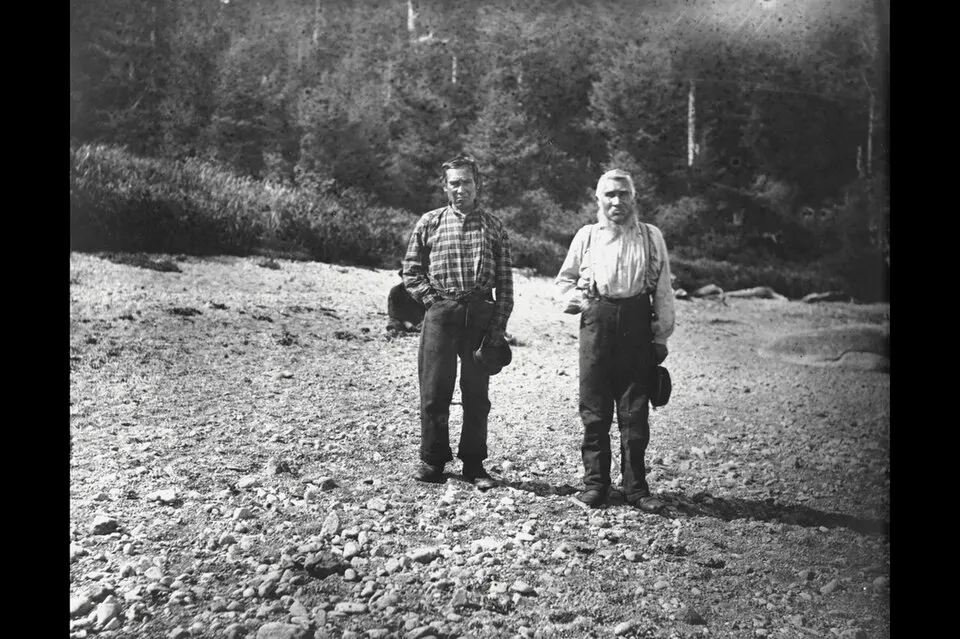
Chief Edenshaw
Notable FigureAlbert Edward Edenshaw (Eda'nsa) was a powerful Haida chief, trader and pilot of the northern Queen Charlotte Islands, prominent during the 1851-52 Gold Harbour excitement and the Susan Sturgis affair, and mentor of the artist Charles Edenshaw.
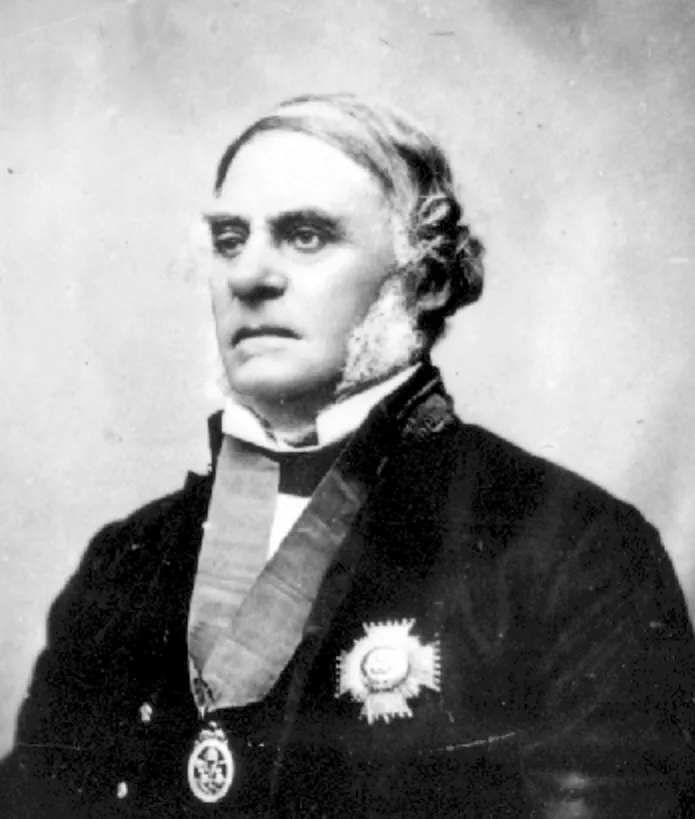
James Douglas
Notable FigureSir James Douglas, a Hudson's Bay Company chief factor, was Governor of Vancouver Island and first Governor of British Columbia. He asserted British authority over the Fraser and Cariboo gold rushes and is called the 'Father of British Columbia'.
John Work
Notable FigureJohn Work was an Irish-born Hudson's Bay Company chief factor whose reports of Haida gold finds helped spark the 1851-52 Queen Charlotte Islands gold excitement. A Victoria pioneer, he sat on Vancouver Island's Legislative Council until his death.
Gold found at Gold Harbour (Mitchell Inlet) on the west coast of Haida Gwaii in 1851 sparked the first gold excitement on what is now the BC coast. It was a rush that largely failed: the Haida controlled access to their islands, salvaged and traded on their own terms — famously capturing the crew of the American vessel Susan Sturgis in 1852 — and the quartz vein pinched out quickly. Its greatest consequence was political: fear of American annexation led Britain to name the Queen Charlotte Islands a colony under James Douglas in 1852, extending imperial claims over unceded Haida territory even as smallpox epidemics soon devastated the Haida Nation.
Today the episode is remembered as an early assertion of Haida sovereignty as much as a mining event. Haida Gwaii's heritage is interpreted at the Haida Gwaii Museum at Kay Llnagaay in Skidegate, within the homeland of a resurgent Haida Nation that now co-manages much of the archipelago, including Gwaii Haanas.