Stikine Gold Rush
British Columbia, 1861–1863
Date range
1861 – 1863
Key Towns
Wrangell (Alaska, mouth of the Stikine), Choquette Bar
Trigger Event
Alexander ‘Buck’ Choquette, son-in-law of Tlingit chief Chief Shakes, staked a claim at Choquette Bar on the Stikine River in 1861 after finding placer gold downstream from the confluence of the Stikine and Anuk Rivers. News spread through British Columbia’s interconnected mining communities, bringing prospectors and steamboat traffic to the lower Stikine.
Gold Recovered
Modest — exact figures not documented; rush widely described as producing little gold. Geopolitical impact far outweighed economic returns.
Peak Population
Small; primarily prospecting parties and steamboat crews. No permanent mining settlements established.
Map: Stikine Gold Rush (57.91, -130.01)
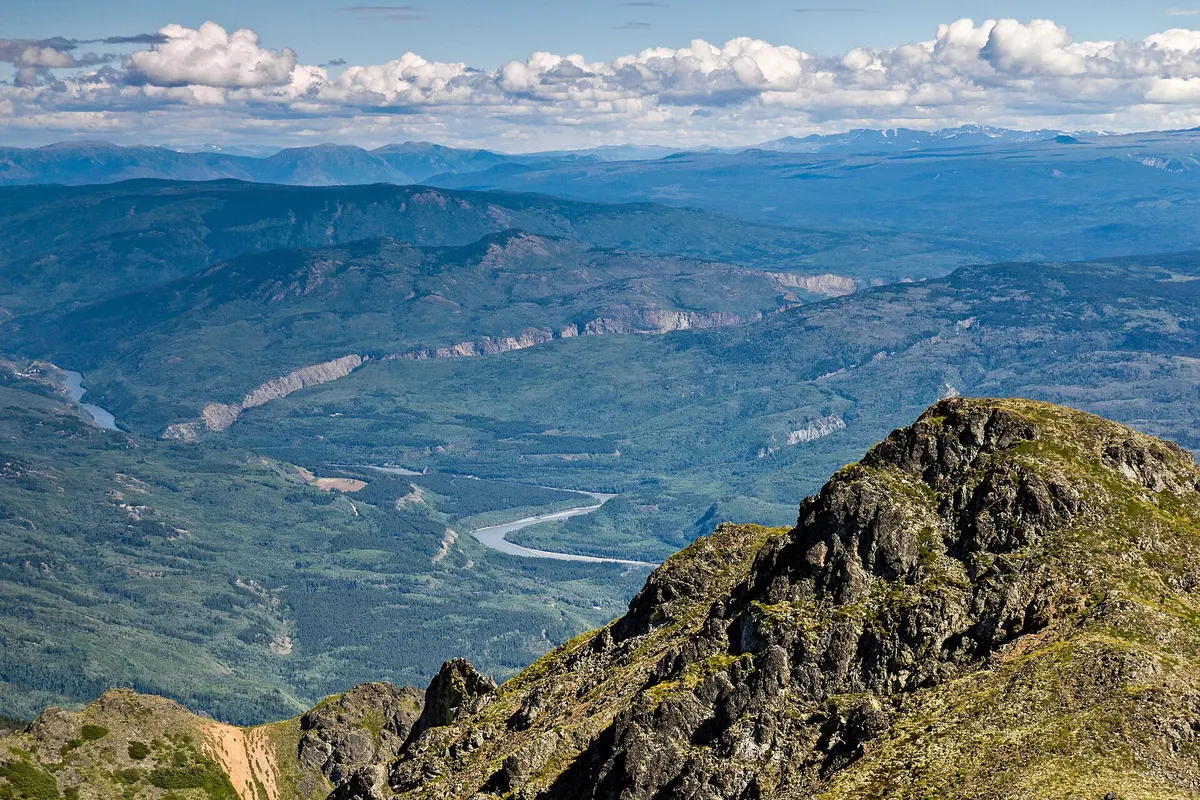
The Stikine Gold Rush of 1861–1863 was a minor but geopolitically significant rush in the remote Stikine River country of northwestern British Columbia, notable less for the gold it produced than for the territorial and sovereignty questions it raised between British and American interests on the Pacific Northwest coast. It was one of the earliest penetrations of the far northwestern interior of British Columbia by outside prospectors and prompted the British colonial government to formally assert its authority over a vast and previously unadministered stretch of northern territory.
The discoverer was Alexander ‘Buck’ Choquette, a prospector with deep ties to the region: he was the son-in-law of Chief Shakes, the Tlingit leader who presided over the lower Stikine and the site of the former Fort Stikine near present-day Wrangell, Alaska. Choquette staked a claim at Choquette Bar in 1861, just downstream from the confluence of the Stikine and Anuk Rivers, after finding gold in the river’s gravel bars. His position at the intersection of Indigenous and colonial society gave him unusual knowledge of the interior landscape and relationships with the Tlingit communities that controlled access to the Stikine corridor.
News of the find spread through the interconnected prospecting communities of British Columbia, which had been active since the Fraser River rush of 1858. The lower Stikine was quickly visited by prospectors, and the river became busy with steamboat traffic as operators recognized the opportunity to profit from ferrying men and supplies into the interior. The rush had an awkward geography from the outset: the mouth of the Stikine lay in Russian-administered Alaska, while the promising reaches lay in British territory, requiring prospectors to enter British Columbia via foreign soil.
Governor James Douglas acted with characteristic decisiveness. In 1862, he issued a proclamation asserting British ownership of the Stikine country, and on July 28, 1863, the boundary of the Colony of British Columbia was formally expanded to include the Stikine Territories up to the 60th parallel — a significant colonial extension into the far north whose geographic scope far outstripped what the modest gold rush had warranted in purely economic terms. The action reflected Douglas’s understanding that establishing firm colonial boundaries before mineral discoveries brought large numbers of foreigners into the territory was essential to preventing the sovereignty crises that had complicated the Fraser rush.
The gold produced at Choquette Bar and along the lower Stikine was modest, and the rush faded within a couple of years. But the Stikine rush established the precedent of British sovereign authority through the far northwest — a claim that would become critically important when the Cassiar rush of the 1870s and eventually the Klondike rush of 1896 brought larger flows of prospectors through the same corridor.
Timeline
Gold rush begins
Rush concludes / mining activity winds down
Notable Figures
Alexander 'Buck' Choquette
Notable FigureAlexander 'Buck' Choquette was a French-Canadian prospector who found gold on the Stikine River in 1861 at what is now Buck Bar, setting off the Stikine Gold Rush. He married Georgiana, daughter of the Tlingit Chief Shakes, and traded on the river for decades.
Chief Shakes
Notable FigureChief Shakes is the hereditary title of the Naanyaa.aayi Tlingit leaders at Wrangell. Shakes V (Kaawishte), who held the title from 1840 to 1878, controlled Stikine River trade during the 1861 Stikine and 1870s Cassiar gold rushes.
James Douglas
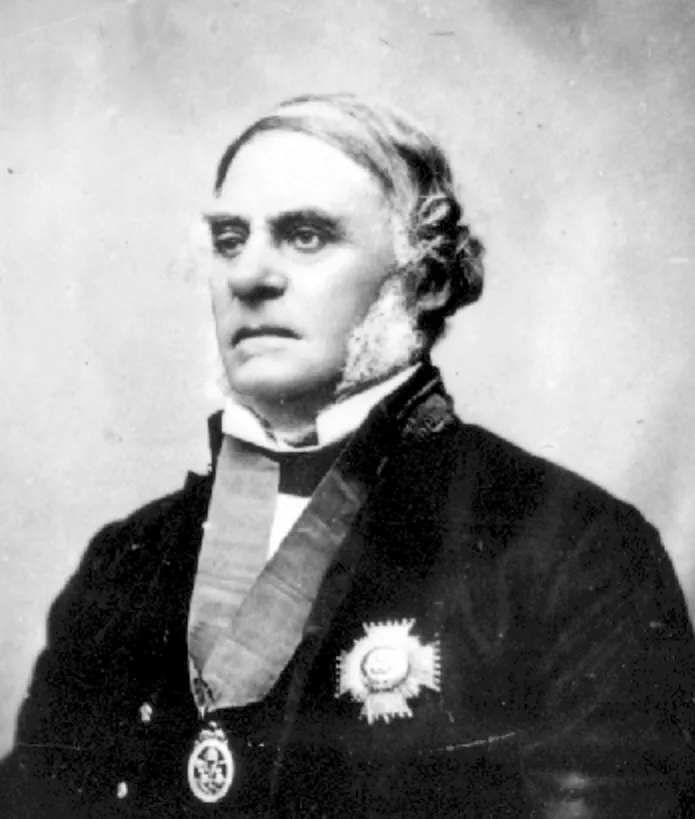
Notable FigureSir James Douglas, a Hudson's Bay Company chief factor, was Governor of Vancouver Island and first Governor of British Columbia. He asserted British authority over the Fraser and Cariboo gold rushes and is called the 'Father of British Columbia'.
Alexander "Buck" Choquette's 1861 strike at the junction of the Stikine and Anuk rivers sent hundreds of miners up the glacier-hung Stikine River the following season. The gold proved modest, but the rush had outsized political consequences: to forestall American ambitions, Britain proclaimed the Stickeen Territories in 1862, soon folded into British Columbia — a key step in fixing colonial claims over the far northwest. The river was, and remains, the highway of the Tahltan people, who controlled trade on the upper Stikine and whose relationship with coastal Tlingit traders shaped every expedition upriver; the rush began decades of mining incursion into Tahltan territory, later intensified by the Cassiar and Klondike stampedes.
Today the Stikine is celebrated more for wilderness than gold — the Grand Canyon of the Stikine and Mount Edziza country draw adventurers — while Wrangell, Alaska, the rush's old gateway port, tells the river's gold-rush story at the Wrangell Museum in the Nolan Center. Telegraph Creek, a Tahltan community, remains the river's historic head of navigation.