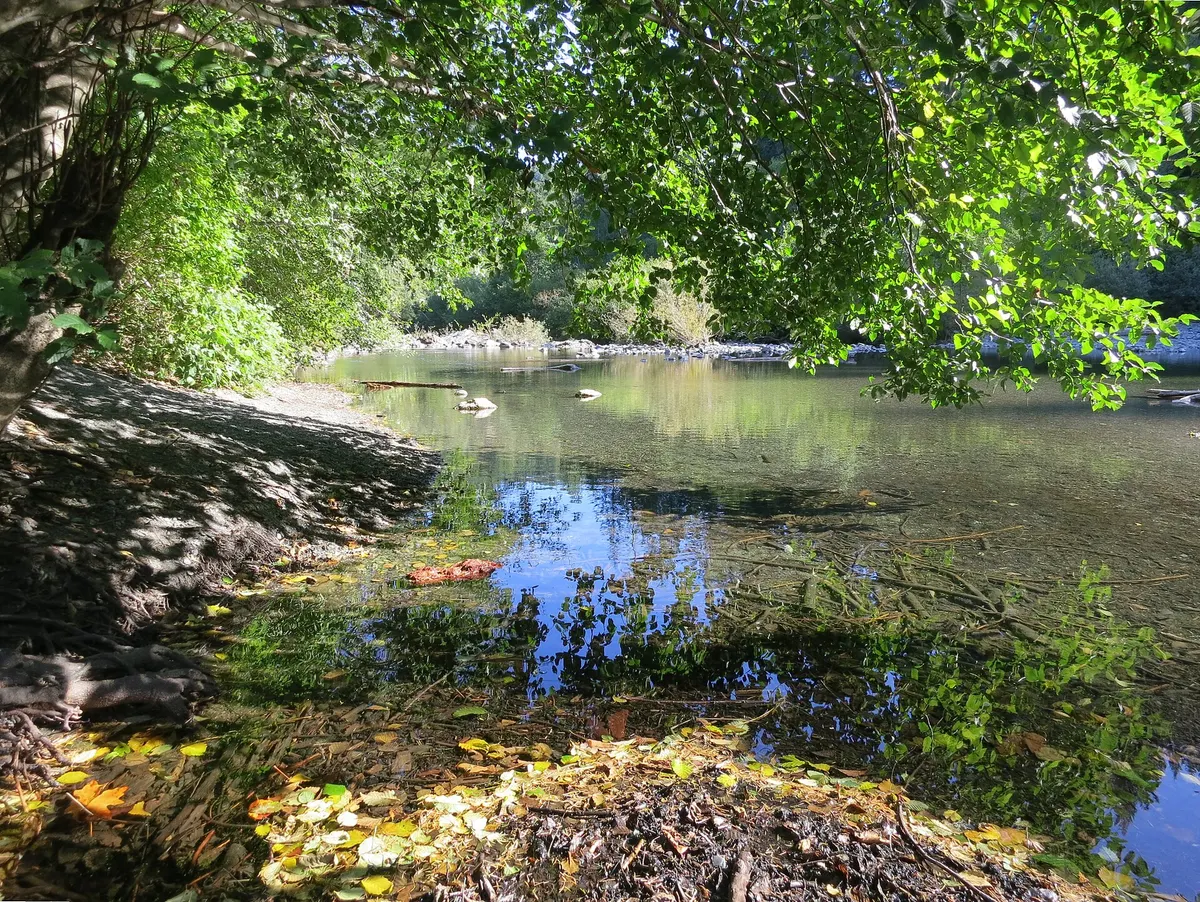
Leechtown Gold Rush
British Columbia, 1864–1865
Date range
1864 – 1865
Key Towns
Leechtown, Boulder City (neighbouring camp)
Trigger Event
On July 18, 1864, members of the Vancouver Island Exploring Expedition (VIEE) led by Robert Brown discovered payable gold on the Leech River on Vancouver Island. When Governor Kennedy publicized Lieutenant Peter Leech’s find, thousands of miners — many of them Fraser Canyon veterans — rushed overland and by steamer from Victoria within weeks.
Gold Recovered
~$100,000 in the first year; estimated $300,000+ total before the rush ended by 1865
Peak Population
~4,000 in Leechtown and Boulder City at peak; 3,000+ men engaged in placer mining along Leech River simultaneously; 227 mining licences issued in the first month
Map: Leechtown Gold Rush (48.58, -123.95)
The Leechtown Gold Rush of 1864–65 was the only significant gold rush on Vancouver Island and a brief but vivid episode in the mining history of what had recently become the Crown Colony of Vancouver Island. It drew thousands of prospectors to the remote forests of the island’s interior within weeks of discovery and produced a boomtown that, at its peak, was one of the most densely populated areas on the island — before collapsing as quickly as it had appeared.
The discovery was made on July 18, 1864, by John Foley, a member of the Vancouver Island Exploring Expedition (VIEE), a government-sponsored survey of the island’s interior resources led by Robert Brown. The expedition included Lieutenant Peter John Leech, a Dublin-born Royal Engineer and astronomer who had come to British Columbia with the sappers in 1858. When payable gold was found on the river, Brown declared that ‘the gold will speak for itself,’ and it was Leech’s name that was attached to both the river and the town that followed. Governor Kennedy publicized the discovery through official channels, and the response was immediate.
Within weeks, thousands of prospectors — many of them veterans of the Fraser Canyon rush six years earlier, who had remained on Vancouver Island working other claims or in the service economy of Victoria — travelled overland by trail or by steamer to Sooke before cutting through the forest to the Leech River. By mid-August 1864, just a month after the discovery, 227 mining licences had been issued. Within a month, over 500 miners were working claims, and surveyed townsite lots were being sold in the new settlement of Leechtown.
At its peak, Leechtown and the neighbouring camp of Boulder City together held approximately 4,000 people, with over 3,000 men simultaneously engaged in placer mining along the Leech River and its tributaries. The town featured several stores, saloons, hotels, and the rudimentary infrastructure of a frontier mining community. The gold was real — approximately $100,000 was extracted in the first year — but it proved frustratingly limited in extent. The Leech River’s gold-bearing gravels were narrow and quickly worked out, and by 1865, just a year after the discovery, the rush was effectively over.
By 1874, the Leechtown diggings were largely deserted, and the site returned to the forest. An estimated $300,000 or more in gold was extracted over the lifetime of the rush — a respectable but ultimately modest return for the scale of the excitement it generated. The Leechtown rush is remembered as evidence that the gold rush fever of the 1850s and 1860s could ignite instantly from even a modest find, and as a reminder that Vancouver Island, despite its proximity to the gold-rich mainland, had limited mineral potential of its own.
Timeline
Gold rush begins
Rush concludes / mining activity winds down
Notable Figures
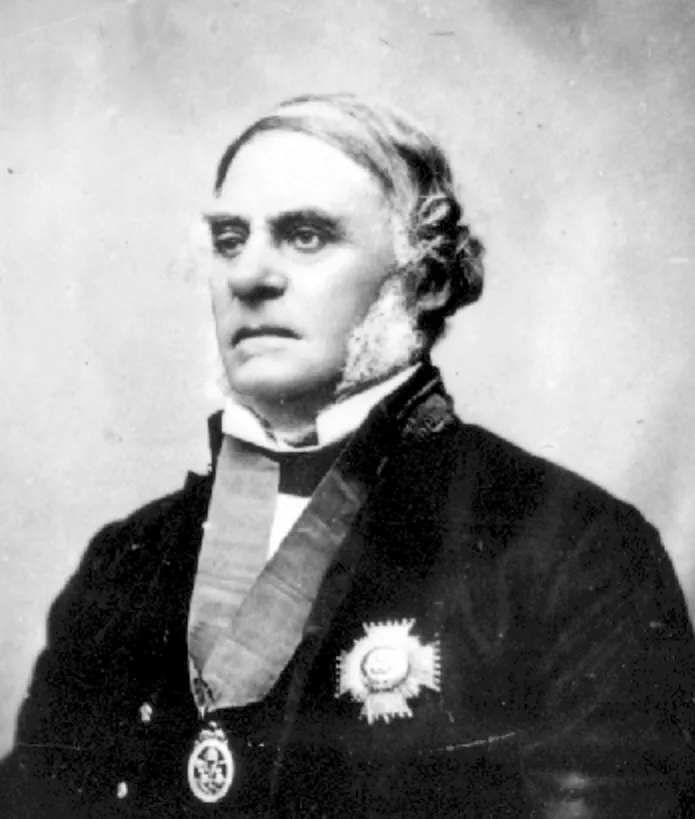
In July 1864 Peter Leech of the Vancouver Island Exploring Expedition found gold on a Sooke River tributary, and within weeks thousands had rushed out from Victoria to the instant town of Leechtown — hotels, saloons, and all. It was Vancouver Island's great gold excitement, injecting energy into a colonial capital depressed after the Fraser rush, but the shallow placers gave out within a couple of years and the town melted back into the rainforest. The rush cut through the territory of the T'Sou-ke people, adding miners' trails and disruption to lands already transformed by colonial settlement around Sooke Basin.
Little remains at Leechtown today beyond a cairn and forest-covered workings on private and watershed lands, and public access to the site itself is restricted. The story is well told at the Sooke Region Museum, and the Galloping Goose Regional Trail follows the historic rail corridor toward the old diggings, keeping the memory of the island's forty-niners alive.