Cariboo Gold Rush
British Columbia, 1861–1867
Date range
1861 – 1867
Key Towns
Barkerville, Richfield, Camerontown, Quesnel Forks, Williams Lake
Trigger Event
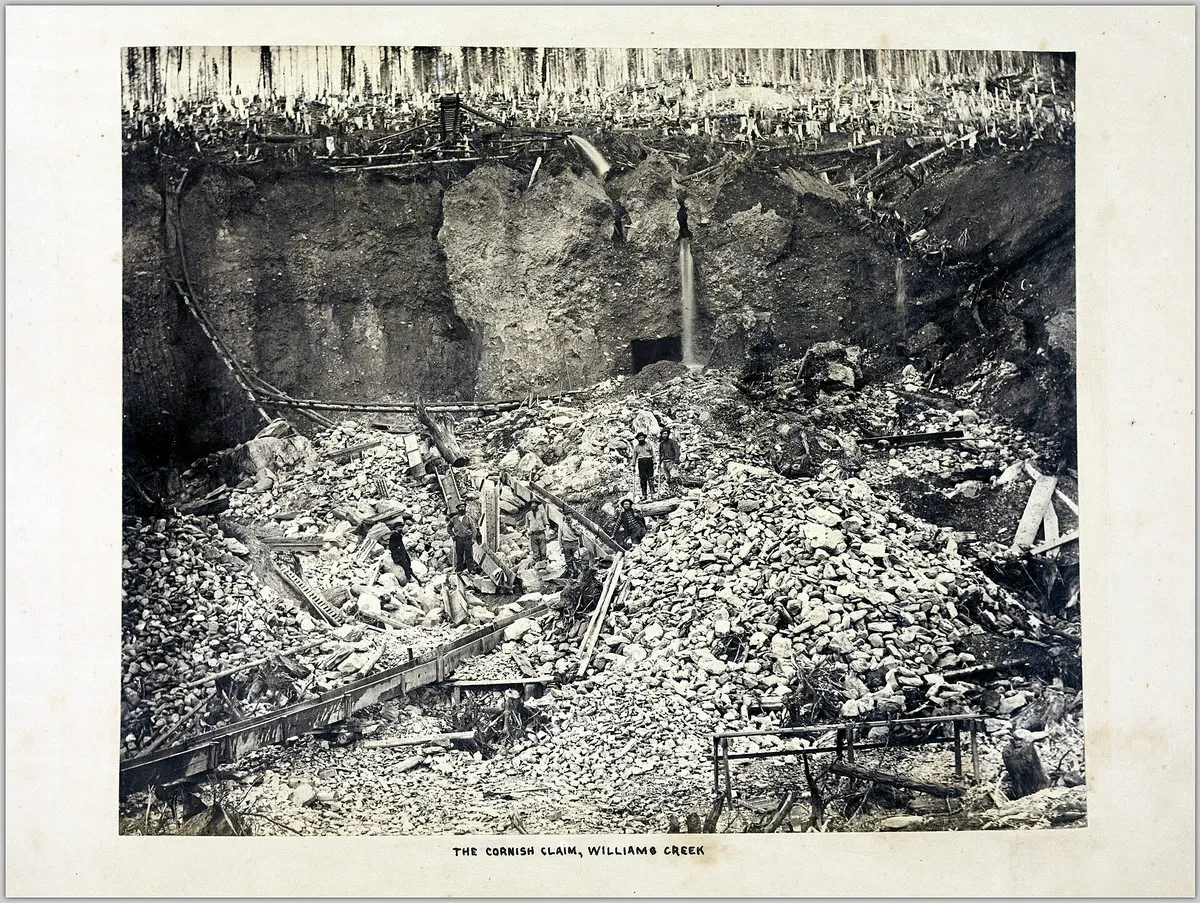
Following the Fraser River rush, prospectors pushed north into the remote Cariboo Mountains. Wilhelm ‘Dutch Bill’ Dietz struck gold on the Horsefly River in 1859, drawing attention to the region. The rush proper began in 1861 when rich deposits were confirmed at Williams Creek, Lowhee Creek, and Lightning Creek, culminating in William ‘Billy’ Barker’s historic 52-foot shaft strike in 1862 that paid $5 per pan.
Gold Recovered
~$50 million total placer production; Williams Creek and tributaries alone produced ~$30 million (1861–1898)
Peak Population
~5,000 in Barkerville at peak, making it the largest city west of Chicago and north of San Francisco in British North America at the time
Map: Cariboo Gold Rush (53.07, -121.51)
The Cariboo Gold Rush of 1861–1867 was the largest, richest, and most consequential gold rush in the history of British Columbia, surpassing every other rush the province experienced in duration, organization, and total production. It drew prospectors from across North America and Europe into one of the most remote mountain landscapes on the continent, produced deposits of extraordinary richness at Williams Creek, and gave rise to Barkerville — a city that became, at its peak, the largest urban centre west of Chicago and north of San Francisco in British North America.
The rush grew as an extension of the earlier Fraser River rush, as prospectors followed the gold upstream into the high Cariboo Mountains. The initial key discovery was made by Wilhelm ‘Dutch Bill’ Dietz, who struck gold on the Horsefly River in 1859, drawing attention northward. Further discoveries in 1861 along Williams Creek, Lowhee Creek, and Lightning Creek confirmed that the Cariboo held placer and bench deposits of exceptional richness, far surpassing the relatively modest Fraser bar returns.
The defining moment came in 1862, when British miner William ‘Billy’ Barker sank a shaft 52 feet into the bedrock of Williams Creek and struck a gold-bearing gravel layer paying $5 per pan — a richness that made his claim the talk of the entire mining world. The town of Barkerville grew around his claim and the surrounding Williams Creek workings, mushrooming into a full-fledged city with hotels, saloons, churches, a Masonic lodge, a theater, and a newspaper. At its peak, Barkerville’s population reached approximately 5,000.
The journey to the Cariboo was itself an achievement. The diggings lay more than 400 miles north of Victoria, accessible only through brutal mountain trails. Governor James Douglas recognized that a permanent road was essential for both supply and sovereignty. He commissioned the Cariboo Road — one of the great engineering feats of the nineteenth century — cut through the Fraser Canyon and into the Cariboo highlands by the Royal Engineers and completed in 1865. The road opened the goldfields to wheeled transport and transformed supply chains across the region.
The Cariboo attracted a notably diverse workforce. The first wave was largely American; subsequent waves brought Cornish miners from England, thousands of Chinese miners, Australians, and Black miners and settlers — some who had come to British Columbia to escape American slavery. Matthew Baillie Begbie, known as the ‘Hanging Judge,’ served as the district’s chief judicial officer and was instrumental in maintaining a level of order in the camps unusual for its era.
Total placer gold production in the Cariboo is estimated at approximately $50 million. The rush formed the economic foundation of British Columbia as a colony and province, generating the wealth and population that made Confederation attractive, and when British Columbia joined Canada in 1871, the infrastructure and economic relationships built during the gold rush years were among its most valuable assets.
Timeline
Gold rush begins
Rush concludes / mining activity winds down
Notable Figures
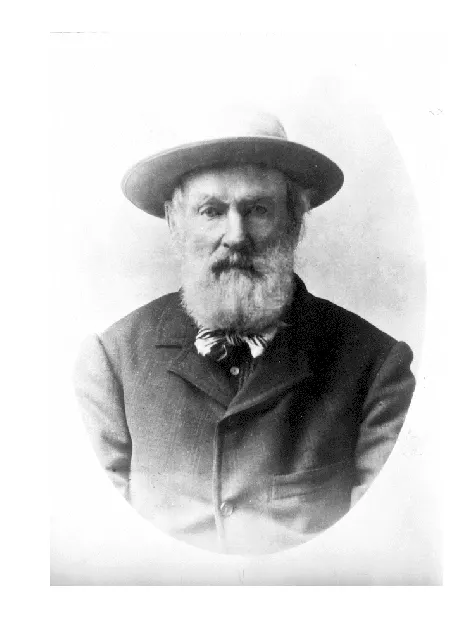
William 'Billy' Barker
Notable FigureWilliam 'Billy' Barker was an English prospector whose 1862 gold strike on Williams Creek became one of the richest claims of the Cariboo Gold Rush. The boomtown of Barkerville grew up around his shaft and still bears his name.
Wilhelm 'Dutch Bill' Dietz
Notable FigureWilhelm 'Dutch Bill' Dietz was a Prussian-born sailor turned prospector who in February 1861 found gold on the Cariboo stream named Williams Creek in his honour, a discovery that opened one of the richest goldfields in the world.
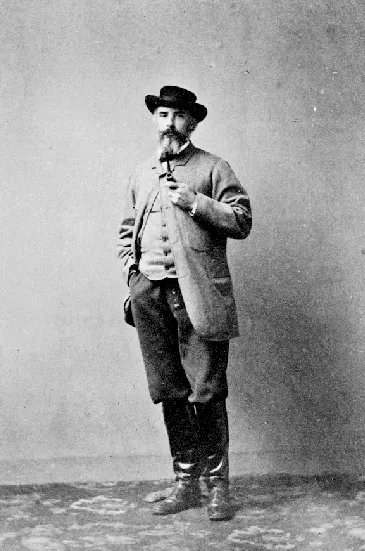
Matthew Baillie Begbie
Notable FigureSir Matthew Baillie Begbie was the first judge and later Chief Justice of British Columbia, who rode circuit through the Fraser and Cariboo goldfields imposing British law. His popular label as the 'hanging judge' is disputed by historians.
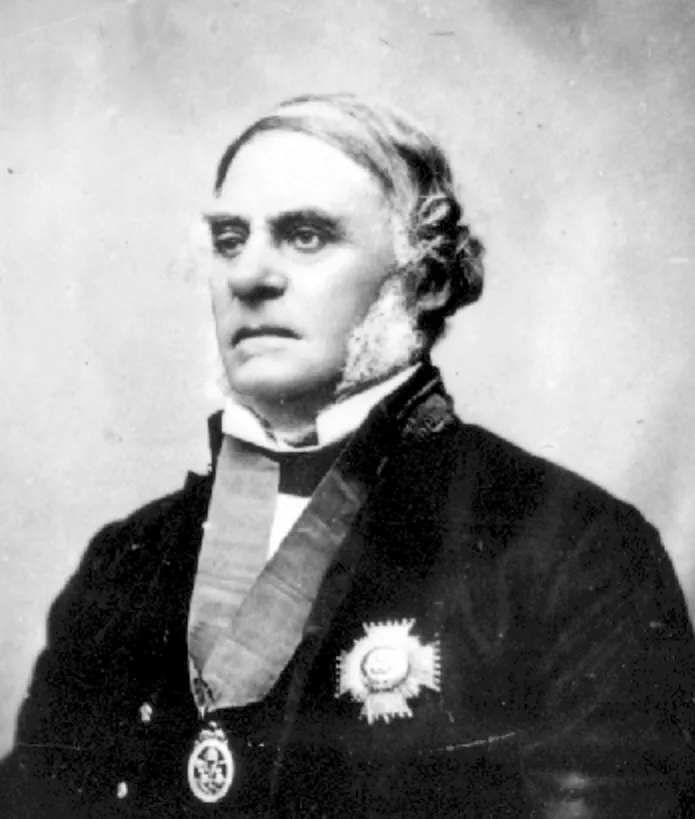
James Douglas
Notable FigureSir James Douglas, a Hudson's Bay Company chief factor, was Governor of Vancouver Island and first Governor of British Columbia. He asserted British authority over the Fraser and Cariboo gold rushes and is called the 'Father of British Columbia'.
The Cariboo rush pulled miners deep into BC's interior from 1861, and Billy Barker's 1862 strike on Williams Creek created Barkerville, for a time the largest town in the colony. To reach the goldfields the colonial government built the Cariboo Wagon Road, an engineering feat that opened the interior to settlement and saddled the colony with debts that helped push British Columbia into Confederation in 1871. The rush brought a large Chinese community to the Cariboo, and it coincided with the 1862 smallpox epidemic that killed a majority of many First Nations communities, including Secwépemc, Dakelh, and Tŝilhqot'in peoples, transforming the region's Indigenous world.
Today Barkerville Historic Town & Park is one of North America's great living-history sites, with more than a hundred heritage buildings, costumed interpreters, and a restored Chinatown. The Gold Rush Trail along Highway 97 links Lillooet, Clinton, and Quesnel, and the nearby town of Wells keeps the district's mining spirit alive.