
Nome Gold Rush
The Yukon and Alaska, 1899–1909
Date range
1899 – 1909
Key Towns
Nome, Council
Trigger Event
Jafet Lindeberg, Erik Lindblom, and John Brynteson (the “Three Lucky Swedes”) discover gold on Anvil Creek in fall 1898; beach gold found in 1899 opens the strike to all
Gold Recovered
Over $46 million between 1899 and 1910; more than $100 million total by end of productive era
Peak Population
Nome reached approximately 20,000 in the summer of 1900; thousands more camped along the beach
Map: Nome Gold Rush (64.50, -165.41)
The Nome Gold Rush of 1899 was remarkable for several reasons that set it apart from virtually every other gold rush in history. It took place on the bare tundra beach of the Seward Peninsula in western Alaska, where gold was found not in remote mountain creeks but in the sands of the Bering Sea shoreline — a discovery that made it, uniquely, a rush that required no special equipment, no mining experience, and no claim to participate in. For one extraordinary season in 1899, the beach itself was public property, and anyone with a pan or a rocker could work the sands. The result was one of the most chaotic, democratic, and short-lived booms in gold rush history.
The initial discovery was made in the fall of 1898 by three Scandinavian immigrants who became known collectively as the “Three Lucky Swedes”, though not all were actually Swedish. Jafet Lindeberg, a Lapp reindeer herder from Norway who had come to Alaska as part of a government reindeer-introduction program; Erik Lindblom, a Swedish tailor from San Francisco; and John Brynteson, a Swedish miner from Michigan — the three met on the Seward Peninsula and in September 1898 found rich gold-bearing gravels on a creek they named Anvil Creek, after an anvil-shaped rock formation nearby. They staked the discovery claim and quickly staked adjacent ground, establishing the claim structure that would define the subsequent rush.
The organized rush to Nome began in 1899 when news of the Anvil Creek discovery spread through Alaska and the Pacific Northwest. What made Nome different from the Klondike or other interior rushes was its accessibility: Nome sat on the coast of the Bering Sea, reachable by steamship from Seattle, San Francisco, or Pacific ports without the grueling overland journeys that other rushes required. In the summer of 1899, ships began disgorging thousands of miners directly onto the beach.
The beach gold discovery electrified an already excited crowd. John Hummel, a carpenter working on a beach cabin, noticed gold in the sand while digging a post hole in July 1899. Further investigation confirmed that the entire Nome beachfront was rich in fine placer gold, deposited by marine action over millennia. Since the beach below the high-tide line was technically public land, it could not be claimed under existing mining laws, and anyone who arrived could simply set up a rocker on the beach and begin washing gold. In the summer of 1899, an estimated $2 million in gold was recovered from Nome's beach by thousands of individual miners working the sand.
By the summer of 1900, Nome had a population of approximately 20,000 people, making it one of the largest cities in Alaska. Dozens of ships anchored offshore as there was no natural harbor — passengers and cargo had to be lightered through the surf — and the beach was lined for miles with tents, shanties, rocker boxes, and sluices. The social environment was wild even by gold rush standards: Nome in 1900 had more than its share of gamblers, confidence men, and corrupt officials.
Among the colorful characters drawn to Nome was the legendary Wyatt Earp, the former lawman of Tombstone fame, who arrived in 1899 and operated a saloon called the Dexter, one of the most profitable establishments in town. Earp was emblematic of the cast of frontier veterans who washed up in Nome, experienced enough to know that the real money in a gold rush lay not always in mining but in selling goods and services to miners.
The beach placer was worked out relatively quickly, but the interior creeks of the Seward Peninsula continued producing gold for years. The Anvil Creek district, along with Council, Candle, and other inland locations, sustained production through the 1900s and into subsequent decades. Total production from Nome and the Seward Peninsula is estimated at over $100 million in historical values, with the period 1899–1910 alone accounting for more than $46 million. Nome declined sharply from its 1900 peak but persisted as an Alaskan community, serving as a regional hub for western Alaska and achieving lasting fame as the finish line of the Iditarod Trail Sled Dog Race.
Timeline
Gold rush begins
Rush concludes / mining activity winds down
Notable Figures
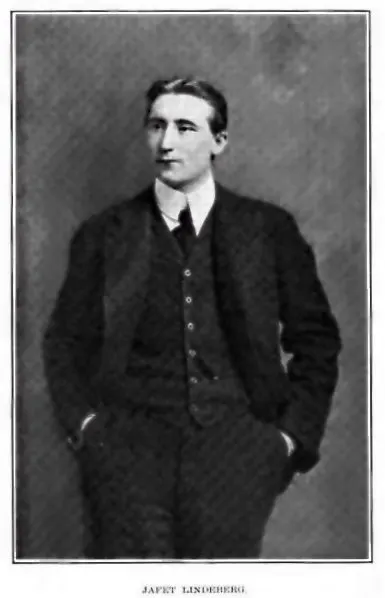
Jafet Lindeberg
Notable FigureJafet Lindeberg was a Norwegian prospector, one of the 'Three Lucky Swedes' whose 1898 gold strike on Anvil Creek founded Nome, Alaska. He led the Pioneer Mining Company and defended the claims against one of the era's most notorious frauds.
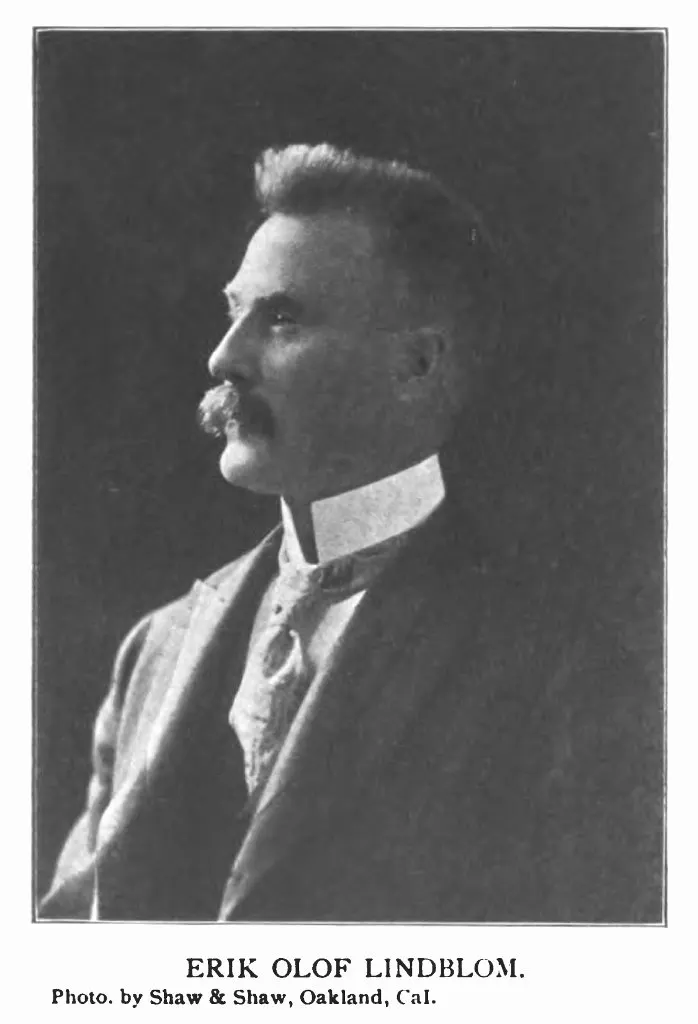
Erik Lindblom
Notable FigureErik O. Lindblom was a Swedish-born tailor who became one of the 'Three Lucky Swedes,' co-discovering gold on Anvil Creek in 1898 and founding the Nome mining district. The strike made him a millionaire, and he later prospered as a banker and investor.
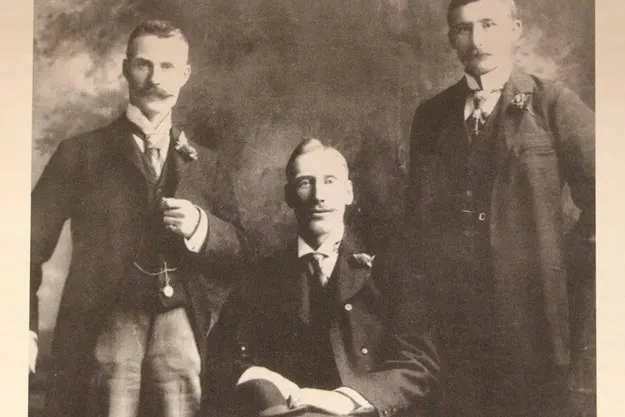
John Brynteson
Notable FigureJohn Brynteson was a Swedish immigrant miner and one of the 'Three Lucky Swedes' who discovered gold on Anvil Creek in September 1898, founding the Nome mining district and setting off the Nome Gold Rush of 1899-1900.
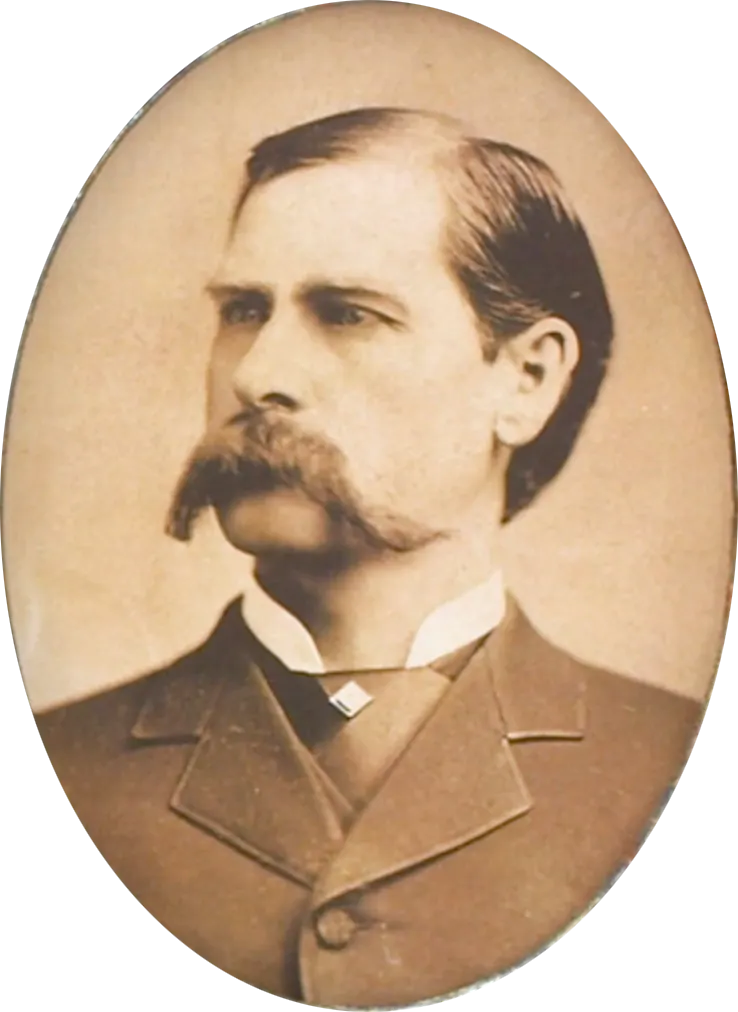
Wyatt Earp
Notable FigureWyatt Earp, the famed lawman and gambler of Dodge City and Tombstone, joined the Nome stampede in 1899 and ran the Dexter Saloon, one of the boomtown's grandest establishments, leaving Alaska two years later a wealthy man.
The "Three Lucky Swedes" struck gold on Anvil Creek in 1898, and when gold was found in the very beach sands of Nome the next summer, one of the wildest stampedes in American history followed — some 20,000 people camped on the tundra shore by 1900, complete with claim-jumping scandals, corrupt judges, and Wyatt Earp tending bar. Nome became the metropolis of western Alaska and a center of dredge mining for half a century. The rush overwhelmed the Iñupiat, whose homeland this is; epidemics, including the devastating 1900 influenza and later the 1918 flu, killed a large share of the region's Native people even as they supplied the camps and pioneered reindeer herding.
Nome endures as a regional hub, famous as the finish line of the Iditarod race. Rusting gold dredges ring the town, recreational miners still work the public beach each summer, and the Carrie M. McLain Memorial Museum preserves the stampede era alongside Iñupiat history and culture.