Croydon Gold Rush
Gulf Country, Queensland (1885–1900s)
Aboriginal and Torres Strait Islander people are advised that this page may contain images and names of people who have died.
Date range
1885 – 1910
Railway
Normanton–Croydon line (now the Gulflander)
Significance
Last of north Queensland's 19th-century rushes
Discovery Reported
October 1885, Croydon Downs Station
Recorded Production
~772,000 oz to 1947
Goldfield Proclaimed
18 January 1886
Map: Croydon Gold Rush (-18.20, 142.24)
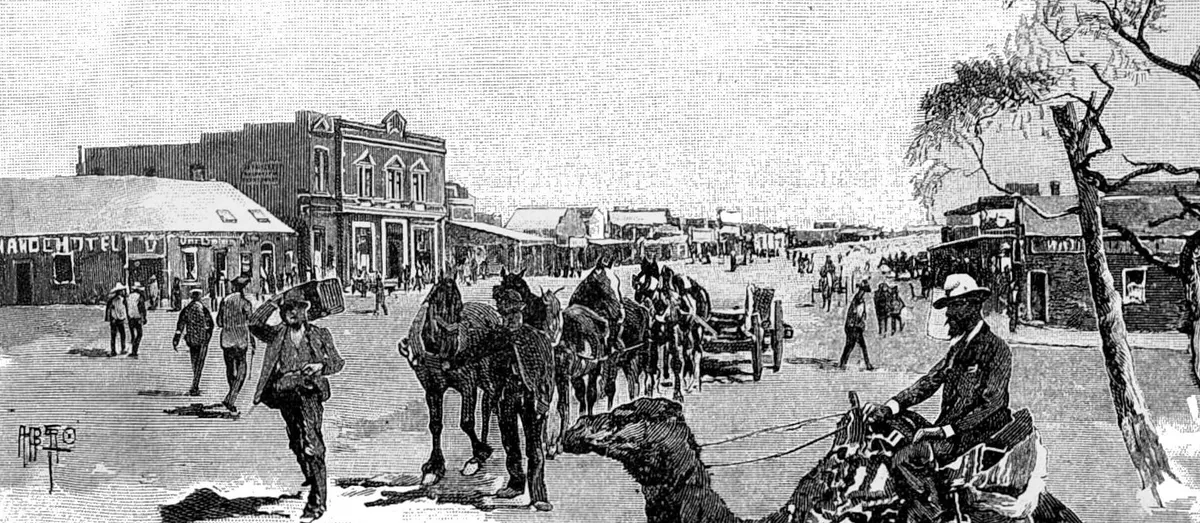
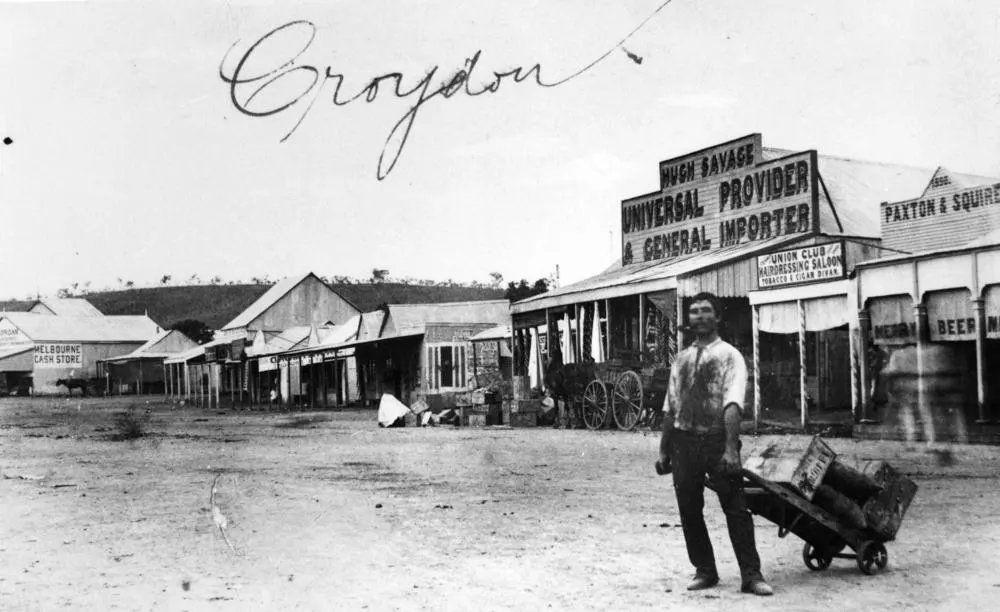
The last of the great north Queensland rushes began in 1885 on a pastoral run in the Gulf Country. Croydon grew rapidly into a tin-roofed boom town with a large Chinese quarter and its own temple; a railway from Normanton was built to serve it and still runs as the heritage Gulflander.
Production peaked around 1900 and declined over the following two decades. Notably, Arthur Bayley and William Ford — the later Coolgardie discoverers — first met here.
Timeline
Payable reefs reported on Croydon Downs Station; rush begins
18 January: Croydon proclaimed a goldfield
Production peaks (approx.)
The Gulflander still runs on the line built for the rush, and the site of Croydon's Chinese temple and settlement is a reminder of the large Chinese community on the field.