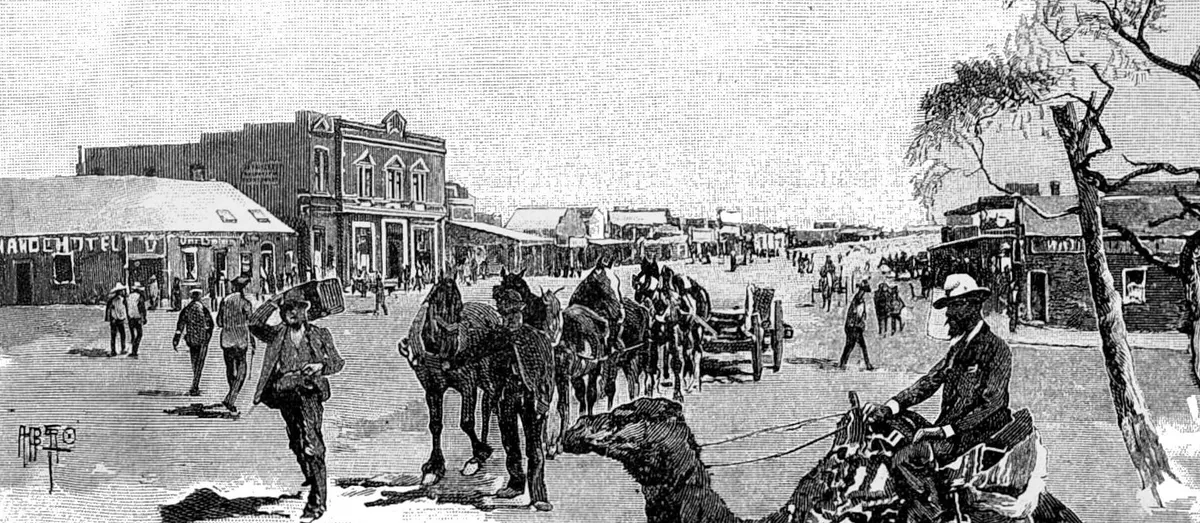
Coolgardie Gold Rush
Eastern Goldfields, Western Australia (1892–1890s)
Aboriginal and Torres Strait Islander people are advised that this page may contain images and names of people who have died.
Date range
1892 – 1898
Nickname
Mother of the Goldfields
Discovery
Late August 1892, Fly Flat
Discoverers
Arthur Bayley and William Ford
Gold Lodged
~554 oz
Peak Population
Estimated ~15,000 (c. 1898)
Defining Problem
Water was scarcer — and sometimes dearer — than gold
Reward Claim Registered
17 September 1892, Southern Cross
Map: Coolgardie Gold Rush (-30.95, 121.17)
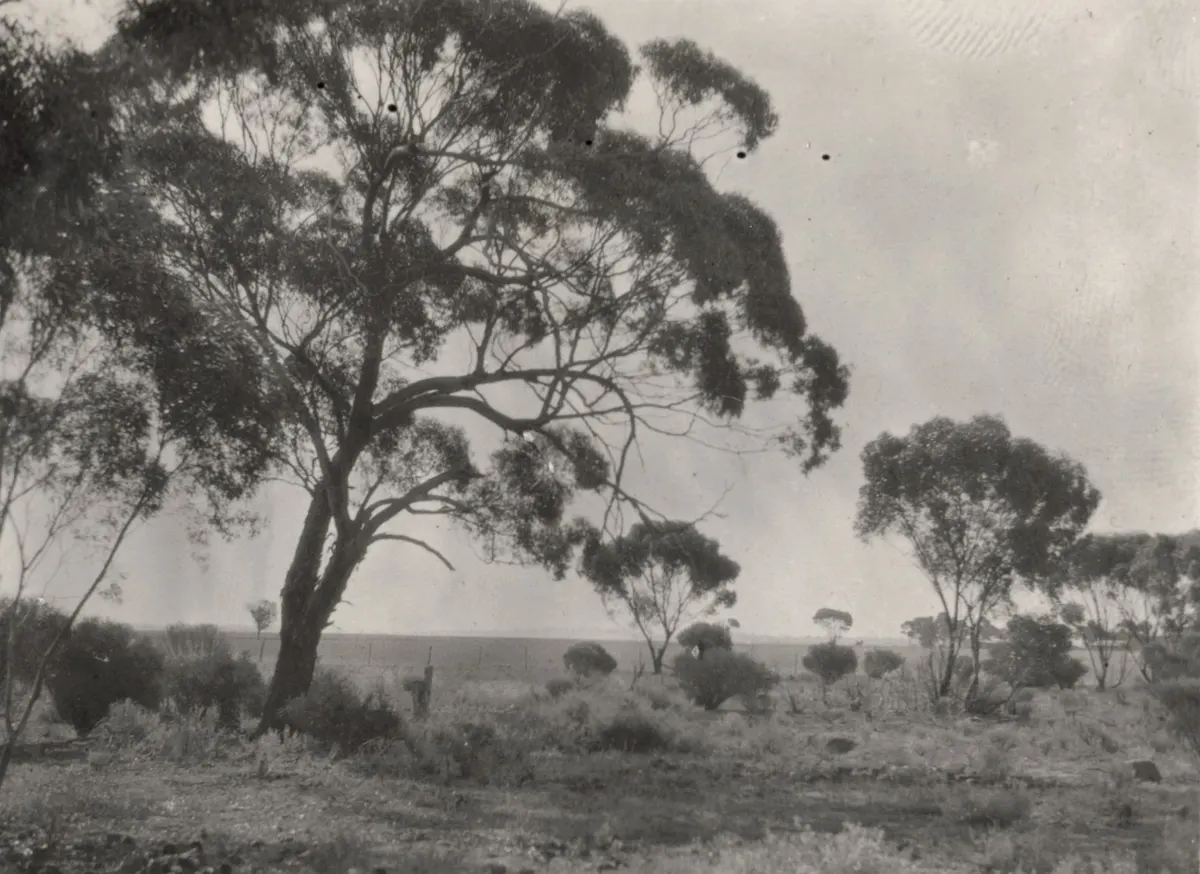
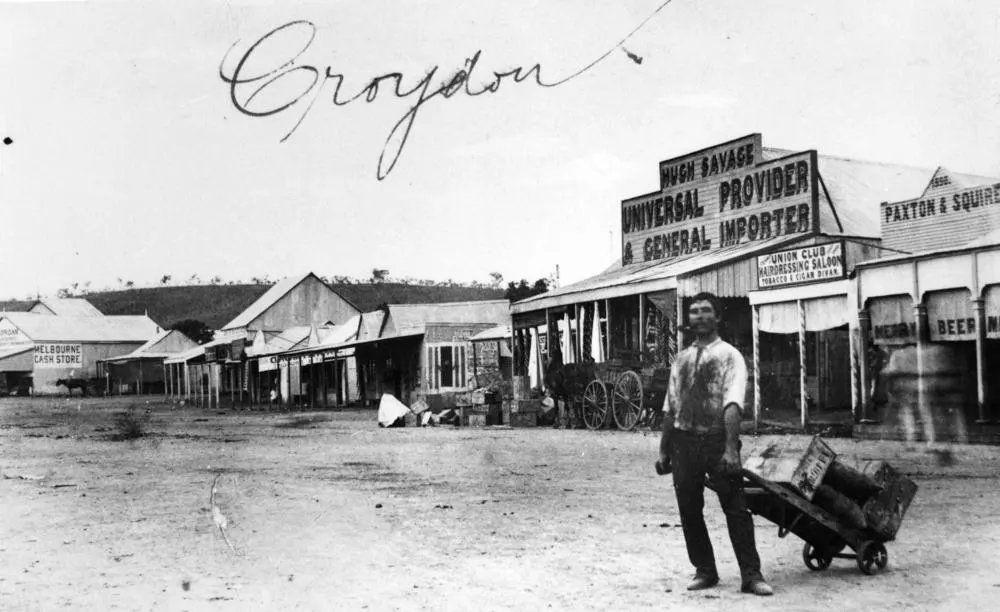
By 1892 the Yilgarn field at Southern Cross had slowed, and prospectors were pushing east into dry salt-lake country where the only reliable water came from Aboriginal rock-holes and wells. Arthur Bayley, a young Victorian who had prospected in Queensland and northern WA, teamed up with William Ford, whom he had met on the Croydon field. In mid-1892, after rain filled the rock-holes, they set out east with packhorses and eight weeks' supplies, following old tracks to a native well called Coolgardie.
At a spot called Fly Flat, late in August 1892, they found gold lying in remarkable quantity — Ford made the first find — and collected several hundred ounces in a matter of days, partly by "specking" for nuggets on the surface. On 17 September Bayley rode into Southern Cross and lodged around 554 ounces with the mining warden, applying for a reward claim. Within hours a stampede east had begun. The discovery was later disputed by a rival party led by Tommy Talbot, but the reward went to Bayley and Ford.
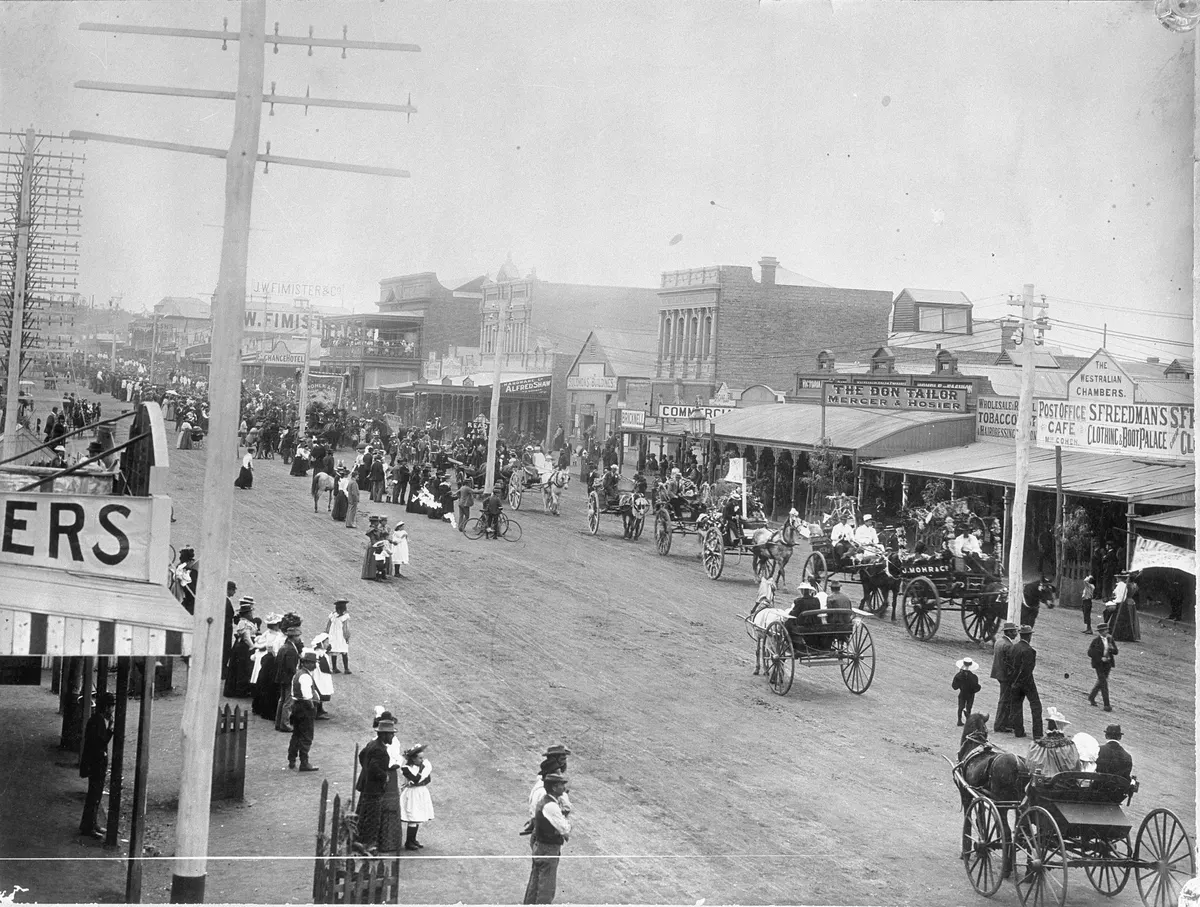
Coolgardie grew from a tent camp into a substantial town within a few years. Its great enemy was water: men paid heavily for condensed salt water, typhoid swept the camps, and camel trains run by so-called "Afghan" cameleers carried supplies across country horses couldn't manage. Bayley and Ford sold their claim in March 1893 for £6,000 plus a share of the company; Bayley died in Victoria in 1896, aged only 31. Bayley's Reward mine, meanwhile, kept working into the 1960s.
Coolgardie's own glory was brief: in June 1893 news of Paddy Hannan's find 39 km to the east emptied much of the town, and Kalgoorlie soon took its place as the centre of the Eastern Goldfields. But the Coolgardie rush is generally regarded as the start of Australia's last great gold rush — the one that turned Western Australia from the poorest colony into a wealthy one and helped persuade it to join Federation in 1901.
Timeline
Yilgarn rush centred on Southern Cross
June: Bayley and Ford head east from Southern Cross after rains
Late August: Gold found at Fly Flat, Coolgardie
17 September: Bayley lodges ~554 oz at Southern Cross; rush begins
March: Bayley and Ford sell their claim
June: Hannan's find draws miners east to Kalgoorlie
Municipality of Coolgardie established; camel trains supply the field
Arthur Bayley dies in Victoria aged 31
Bayley's Reward mine finally closes
Notable Figures
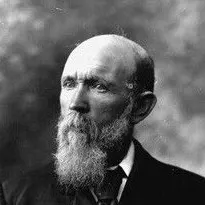
Paddy Hannan
Prospector (Coolgardie, then Kalgoorlie)County Clare-born prospector who, with Tom Flanagan and Dan Shea, found gold near Mount Charlotte in June 1893, founding Kalgoorlie and revealing the Golden Mile. His statue still stands on Hannan Street.
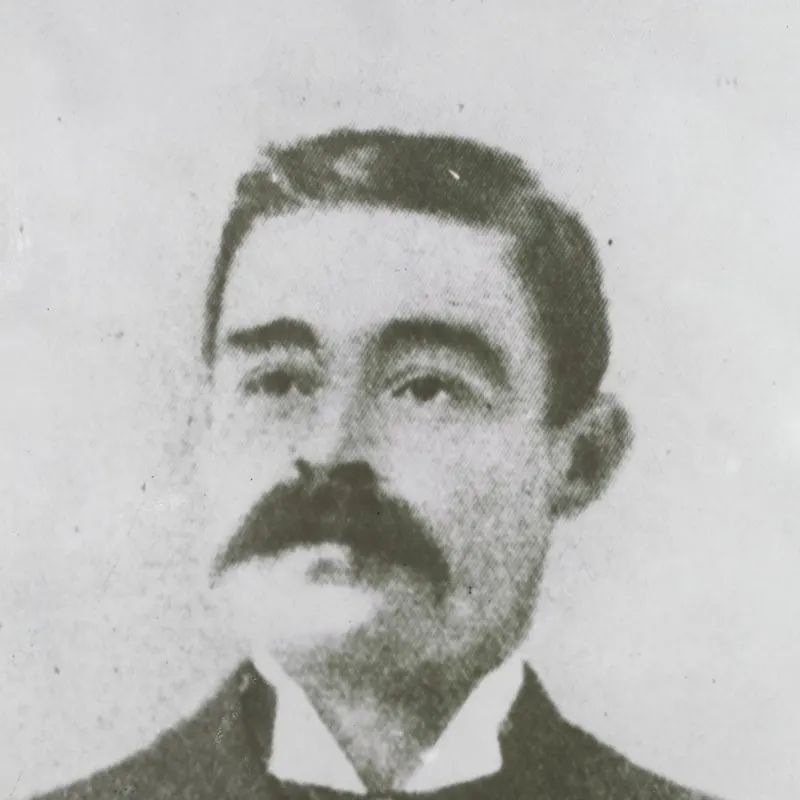
Arthur Bayley
DiscovererVictorian-born prospector who, with William Ford, found gold at Fly Flat in 1892 and lodged 554 ounces at Southern Cross, triggering the Coolgardie rush. He sold out wealthy but died in 1896 aged just 31.
William Ford
DiscovererBayley's partner, who made the first find at Fly Flat, Coolgardie, in August 1892. The pair had met on the Croydon goldfield in Queensland.
Coolgardie today is a small town with an oversized main street lined by stone public buildings from the 1890s, including the former Warden's Court that now houses the Goldfields Exhibition museum. It sits on the Golden Quest Discovery Trail, which links the region's rush-era towns. Prospecting with detectors remains popular across the surrounding goldfields.