Charters Towers Gold Rush
North Queensland, Australia (1871–1917)
Aboriginal and Torres Strait Islander people are advised that this page may contain images and names of people who have died.
Date range
1871 – 1917
Nickname
'The World'
Discovery
December 1871 (often given as Christmas Eve)
Credited Finder
Jupiter Mosman, a young Aboriginal horse boy
Discovery Party
Hugh Mosman, George Clarke, James Fraser and Jupiter Mosman
Peak Population
~26,500 (1899)
Traditional Owners
Gudjal people
Goldfield Proclaimed
31 August 1872
Production 1871–1917
~6.6 million oz (~200 t)
Map: Charters Towers Gold Rush (-20.08, 146.26)
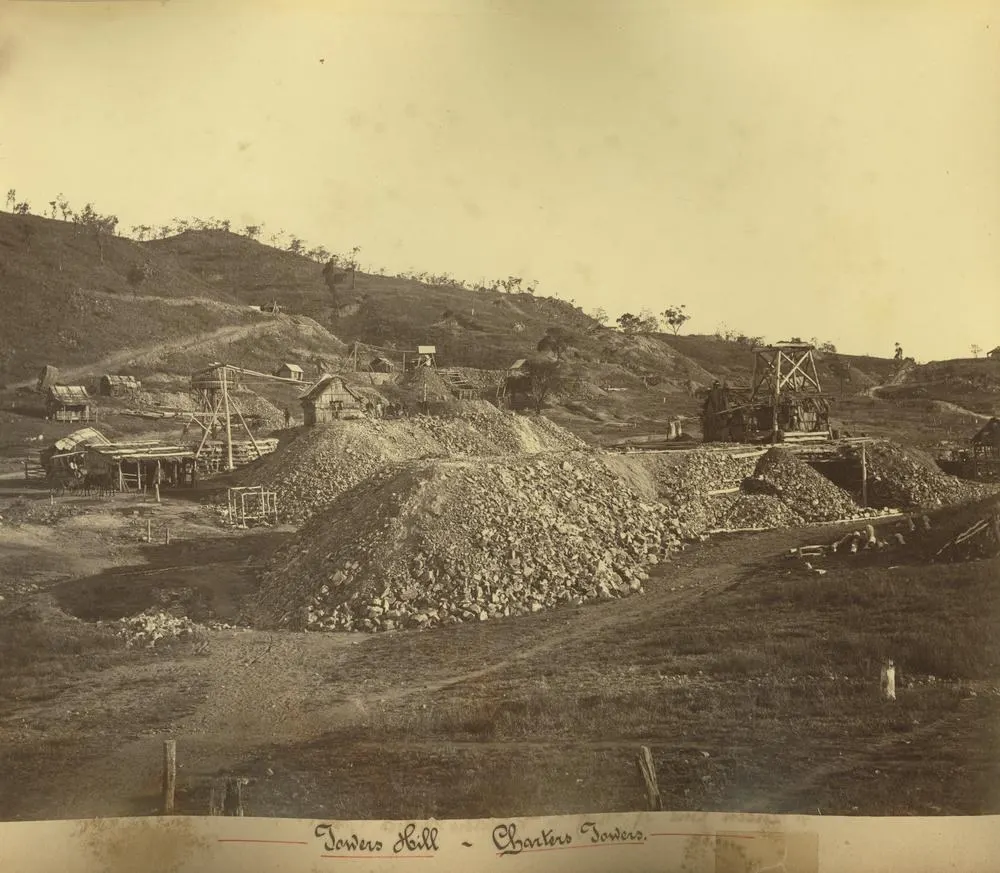
In December 1871 a small prospecting party out of the Ravenswood diggings was caught in a thunderstorm in the dry country south-west of Townsville. Hugh Mosman, a former pastoralist ruined by the downturn in the cattle trade, was travelling with the miners George Clarke and James Fraser and with a boy of about twelve known as Jupiter — an Aboriginal child from western Queensland whom Mosman had taken into service as a horse boy. When the horses bolted, Jupiter went after them. Near a gap in the hill now called Towers Hill, he picked up a piece of quartz glittering with gold.
That stone led the party to the reef that became the North Australian mine. The men pegged claims and registered the find in January 1872, earning a government reward, and the rush that followed built Charters Towers — named after the Gold Commissioner W.S.E.M. Charters and the tor-like hills around the field. The goldfield was proclaimed on 31 August 1872.
Unlike many rushes, Charters Towers was a reef field from the start. Its wealth lay in deep quartz lodes that needed capital, stamp batteries and skilled miners, and the town matured into a substantial city with banks, grand public buildings and even its own stock exchange. At its peak around 1899 its residents simply called it "The World". Between 1871 and 1917 the field yielded around 6.6 million ounces, making it one of Australia's richest. Mining declined during the First World War as costs rose and grades fell.
The discovery story has been revised over time. For decades the credit went to Mosman, Clarke and Fraser. Locals increasingly recognised Jupiter as the person who made the actual find, and from the 1950s the town raised memorials to him. Jupiter stayed with the Mosman family, was educated in Sydney, worked as a drover, and lived in Charters Towers until his death in 1945.
Timeline
Gold rush to Ravenswood draws prospectors into the region
December: Jupiter Mosman finds gold-bearing quartz while recovering bolted horses
January: Claims registered and discovery officially confirmed
31 August: Charters Towers Goldfield proclaimed
Hugh Mosman leaves Charters Towers
Peak of production and population
Main mining era winds down
Jupiter Mosman dies
Notable Figures
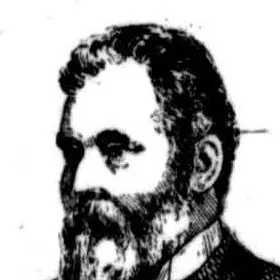
Hugh Mosman
Prospector & Mine OwnerSydney-born pastoralist turned prospector who led the party that registered the Charters Towers goldfield in 1872. He became a wealthy mine owner and member of Queensland's Legislative Council.
James Fraser
ProspectorMiner in Hugh Mosman's party when the Charters Towers reef was found in December 1871. Some sources give his first name as John.
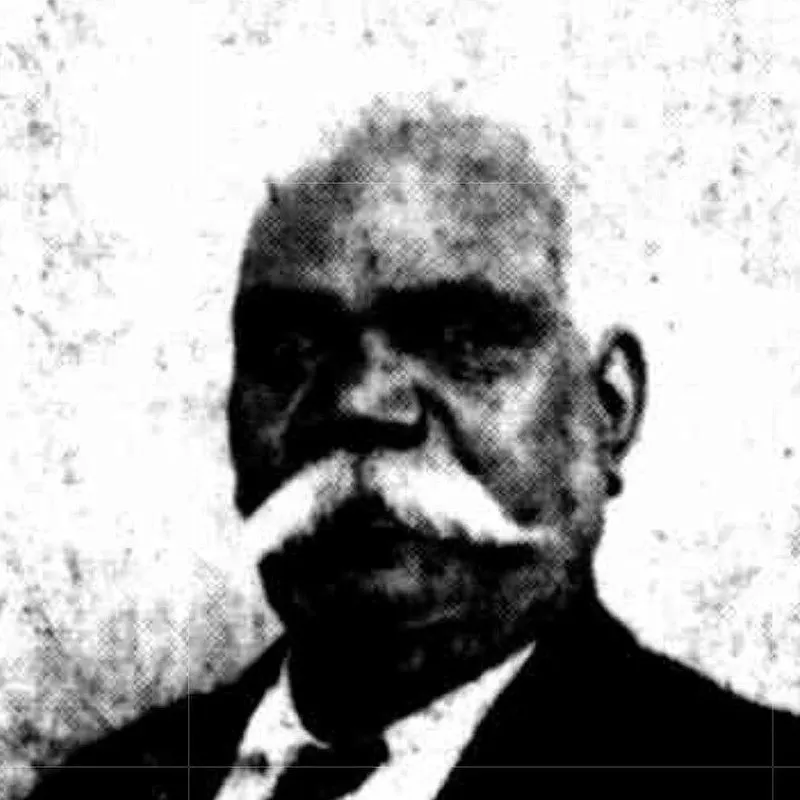
Jupiter Mosman
DiscovererAboriginal horse boy who, at about twelve years old, found the gold-bearing quartz that launched the Charters Towers goldfield in December 1871. Long overlooked, he is now widely recognised as the field's true discoverer.
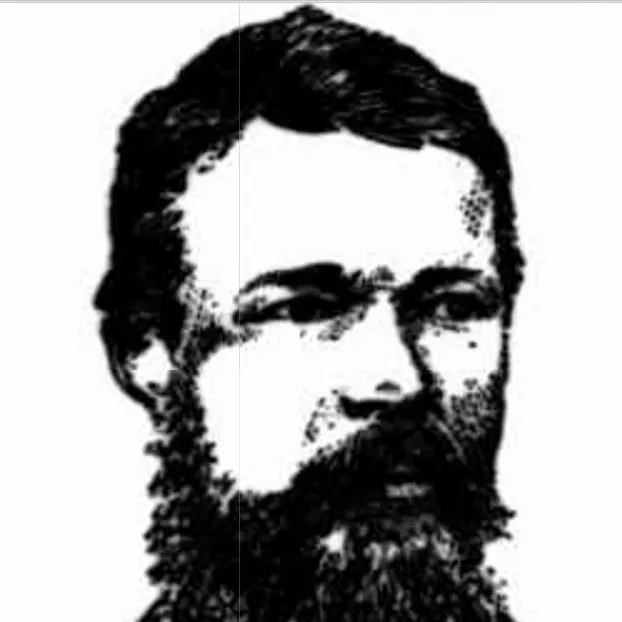
George Clarke
ProspectorMiner travelling with Hugh Mosman when the Charters Towers reef was found in December 1871, and one of the party who registered the find in January 1872.
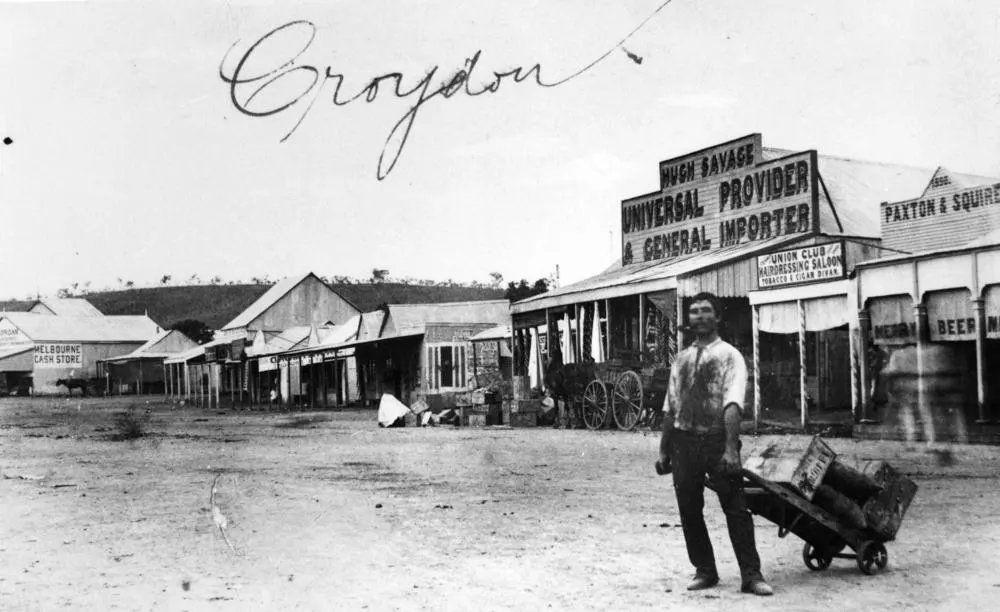
Charters Towers retains some of the finest boom-era streetscapes in Queensland. The Venus Gold Battery — a restored stamp battery — and heritage walks interpret the mining era, and several memorials now honour Jupiter Mosman alongside the other members of the discovery party. Modern exploration and mining have periodically returned to the old reefs.