Klondike Gold Rush
The Yukon and Alaska, 1896–1899
Date range
1896 – 1899
Key Towns
Dawson City, Skagway, Whitehorse, Dyea
Trigger Event
George Carmack, Skookum Jim Mason, and Tagish Charlie discover gold on Rabbit Creek (renamed Bonanza Creek) on August 16, 1896
Gold Recovered
Approximately $29 million (CAD) extracted 1896–1899; total district production reached $100 million by early 1900s
Peak Population
Dawson City swelled to approximately 40,000 at its peak in 1898–1899
Map: Klondike Gold Rush (64.07, -139.43)
The Klondike Gold Rush stands as the most celebrated and dramatic gold rush in North American history — a mass migration of perhaps 100,000 hopeful prospectors into one of the most remote and inhospitable corners of the continent, triggered by a single spectacular discovery along a tributary of the Yukon River in the summer of 1896. Its cultural impact was enormous and enduring: it gave birth to a city in the wilderness, inspired some of the most vivid literature of the era, and became an indelible symbol of human ambition, endurance, and the intoxicating lure of sudden wealth.
The discovery that set off the rush occurred on August 16, 1896, on a gravelly creek in what is now the Yukon Territory of Canada. George Washington Carmack, an American prospector who had lived among the Tagish and Tlingit peoples of the region, was working with his brothers-in-law Skookum Jim Mason (Keish) and Dawson Charlie (Tagish Charlie, or Kää Goox) when they found nuggets of gold winking in the streambed of Rabbit Creek, a tributary of the Klondike River. Carmack staked the discovery claim, as conventions of the day required a non-Indigenous person to hold the registered claim, and the creek was soon renamed Bonanza Creek. Within days, prospectors living in the surrounding region — veterans of other Yukon diggings — had staked every inch of Bonanza Creek and its tributary, Eldorado Creek, the latter proving to be extraordinarily rich.
News of the strike did not reach the outside world until July 1897, when the steamships Excelsior and Portland arrived in San Francisco and Seattle carrying miners and their gold. The sight of ordinary men staggering under the weight of gold-filled sacks and suitcases electrified a nation still recovering from the economic depression of the 1890s. Within weeks, an estimated 100,000 people had set out for the Klondike; perhaps 30,000–40,000 eventually made it.
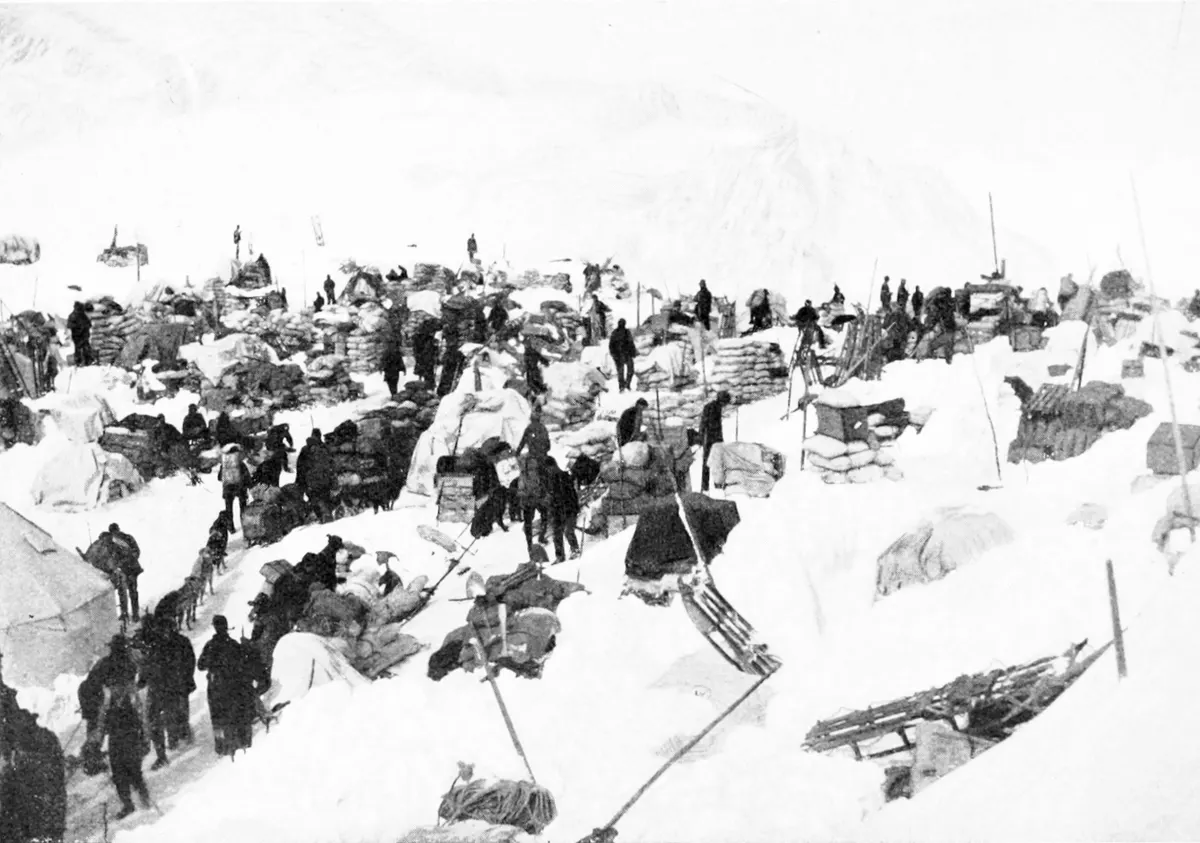
The journey itself was legendary in its difficulty. Most stampaders chose one of two routes over the Coast Mountains: the Chilkoot Pass from Dyea or the White Pass from Skagway, both in the Alaska Panhandle. Canadian authorities, determined to maintain order and ensure that arrivals had sufficient supplies, required each person to bring a year's worth of provisions — roughly a ton of goods — which had to be hauled over the passes in multiple grueling trips. The "Golden Staircase" of the Chilkoot Pass, a near-vertical climb cut into ice and snow, became one of the iconic images of the era. Thousands of horses died on the White Pass route, earning it the name "Dead Horse Trail." Once over the mountains, prospectors faced months of travel down the Yukon River by raft or boat.
At the confluence of the Klondike and Yukon Rivers, a city appeared almost overnight. Dawson City grew from a handful of cabins in 1896 to a metropolis of approximately 40,000 people by 1898 — the largest city west of Winnipeg and north of Seattle. It had hotels, theaters, newspapers, a stock exchange, churches, electric lighting, and telephone service, all transplanted into the subarctic wilderness. It also had extraordinary inequality: while a handful of early stakers grew fabulously wealthy, the vast majority of stampaders arrived to find all the profitable ground already claimed.
Among the remarkable figures of the Klondike era were Belinda Mulroney, an Irish-American entrepreneur who arrived with capital and shrewdness, built a successful roadhouse and retail business, and ultimately constructed the elegant Fairview Hotel in Dawson City — the finest establishment in the north. Martha Black, another woman of exceptional determination, crossed the Chilkoot Pass while pregnant, eventually staked claims, operated a sawmill, and went on to a distinguished career in Canadian politics as a Member of Parliament. The young Jack London, then in his early twenties, spent the winter of 1897–1898 in the Klondike, and his observations of the gold rush landscape and its people — the brutality, the camaraderie, the sublime wilderness — provided the raw material for some of his most celebrated works, including The Call of the Wild and White Fang.
Gold production from the Klondike district reached approximately $29 million (Canadian) in the initial rush years of 1896–1899, with total district output eventually exceeding $100 million by the early 1900s. By 1899, however, the rush had largely passed its peak. The discovery of gold on the beaches of Nome, Alaska, drew thousands away from the Klondike in the summer of 1899, and the district gradually transitioned from individual hand-mining to large-scale dredging operations. Dawson City's population fell as sharply as it had risen. The Klondike dredges — massive machines that could process thousands of cubic yards of gravel daily — continued working the valley floors into the mid-twentieth century, but the era of the individual prospector was over. What remained was a myth of inexhaustible power, embedded in literature, film, and the collective memory of Canada and the United States alike.
Timeline
Gold rush begins
Rush concludes / mining activity winds down
Notable Figures
Skookum Jim Mason
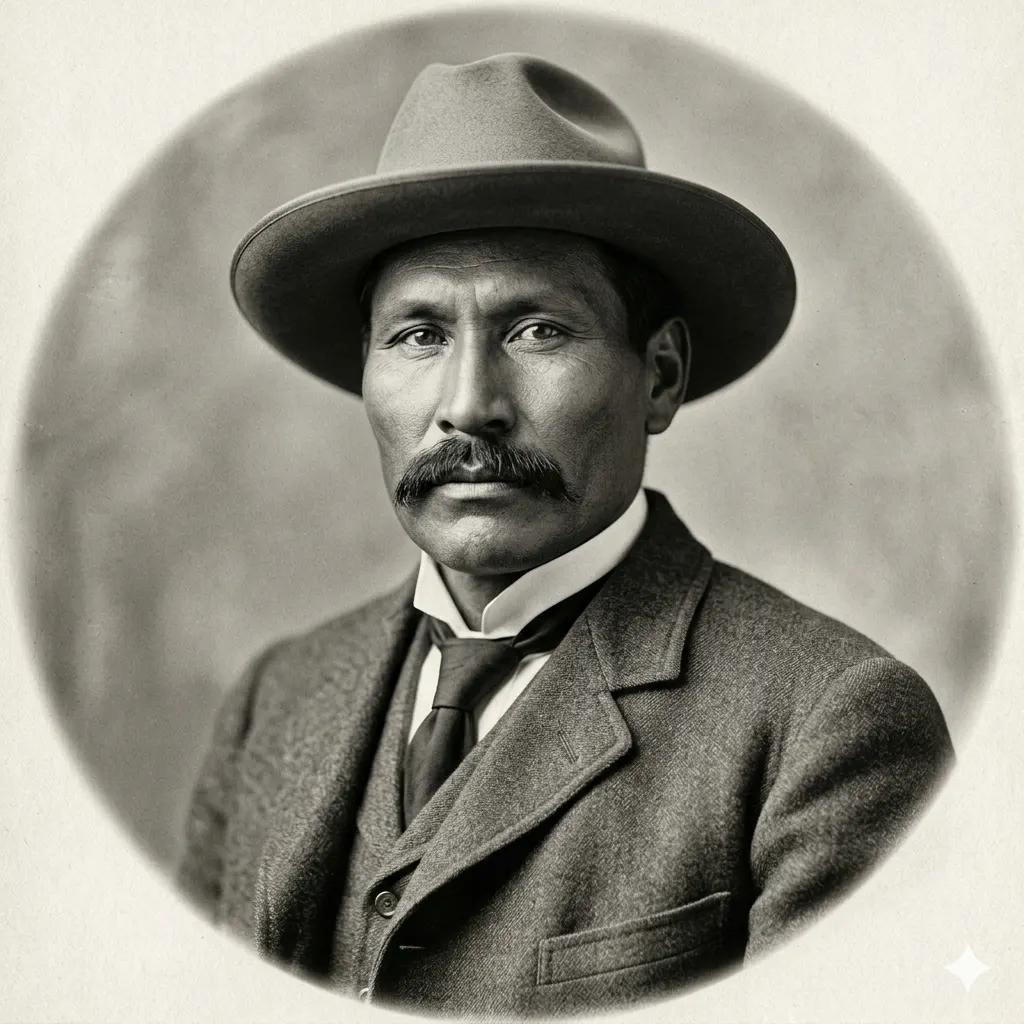
Co-discovererSkookum Jim Mason (Keish) was a Tagish First Nation guide and packer who co-discovered gold on Bonanza Creek in 1896, triggering the Klondike Gold Rush. He was a respected figure in the Tagish community and later advocated for recognition of his and other Indigenous discoverers' role in the find.
George Carmack
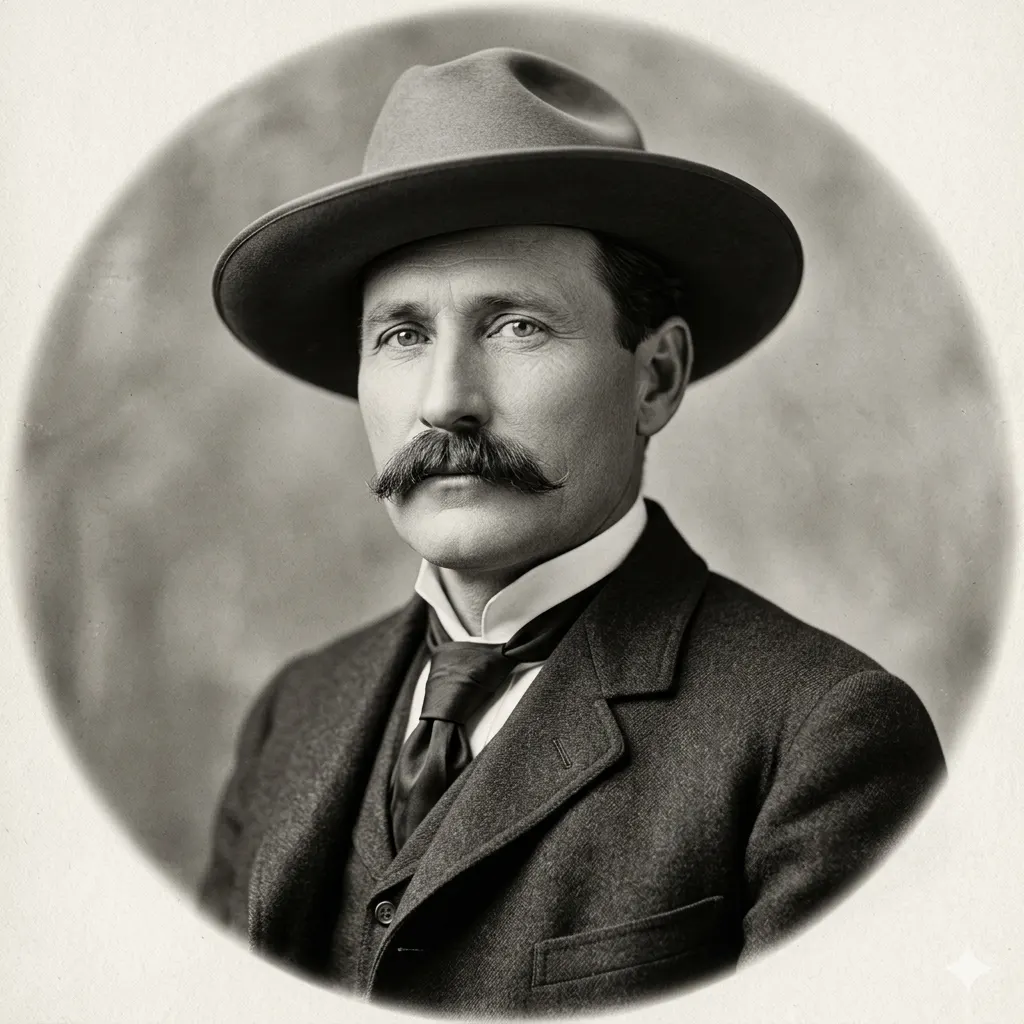
Notable FigureGeorge Carmack was an American prospector who registered the Discovery Claim on Bonanza Creek in August 1896, the strike that set off the Klondike Gold Rush. Historians today generally credit his Tagish brother-in-law, Skookum Jim Mason, with the actual find.
Tagish Charlie
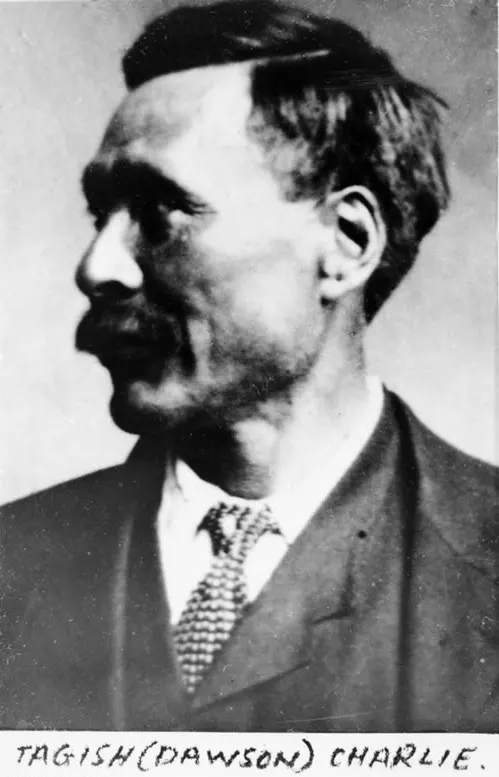
Notable FigureTagish Charlie (Káa Goox, also called Dawson Charlie) was a Tagish–Tlingit First Nation prospector who co-discovered gold on Bonanza Creek in August 1896 with Skookum Jim and George Carmack, staking one of the first three claims of the Klondike Gold Rush.
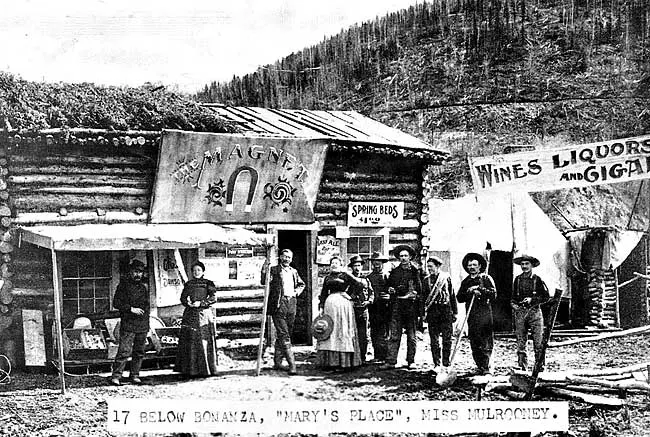
Belinda Mulroney
Notable FigureBelinda Mulroney was an Irish-born entrepreneur called the richest woman in the Klondike. Arriving in Dawson in 1897, she built the Grand Forks roadhouse and the Fairview Hotel, managed mining companies, and made and lost more than one fortune.
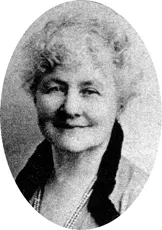
Martha Black
Notable FigureMartha Black was a Chicago-born stampeder who climbed the Chilkoot Pass in 1898 while pregnant, built a life in Dawson City, and in 1935, at age 69, became the second woman ever elected to the Canadian House of Commons, representing the Yukon.
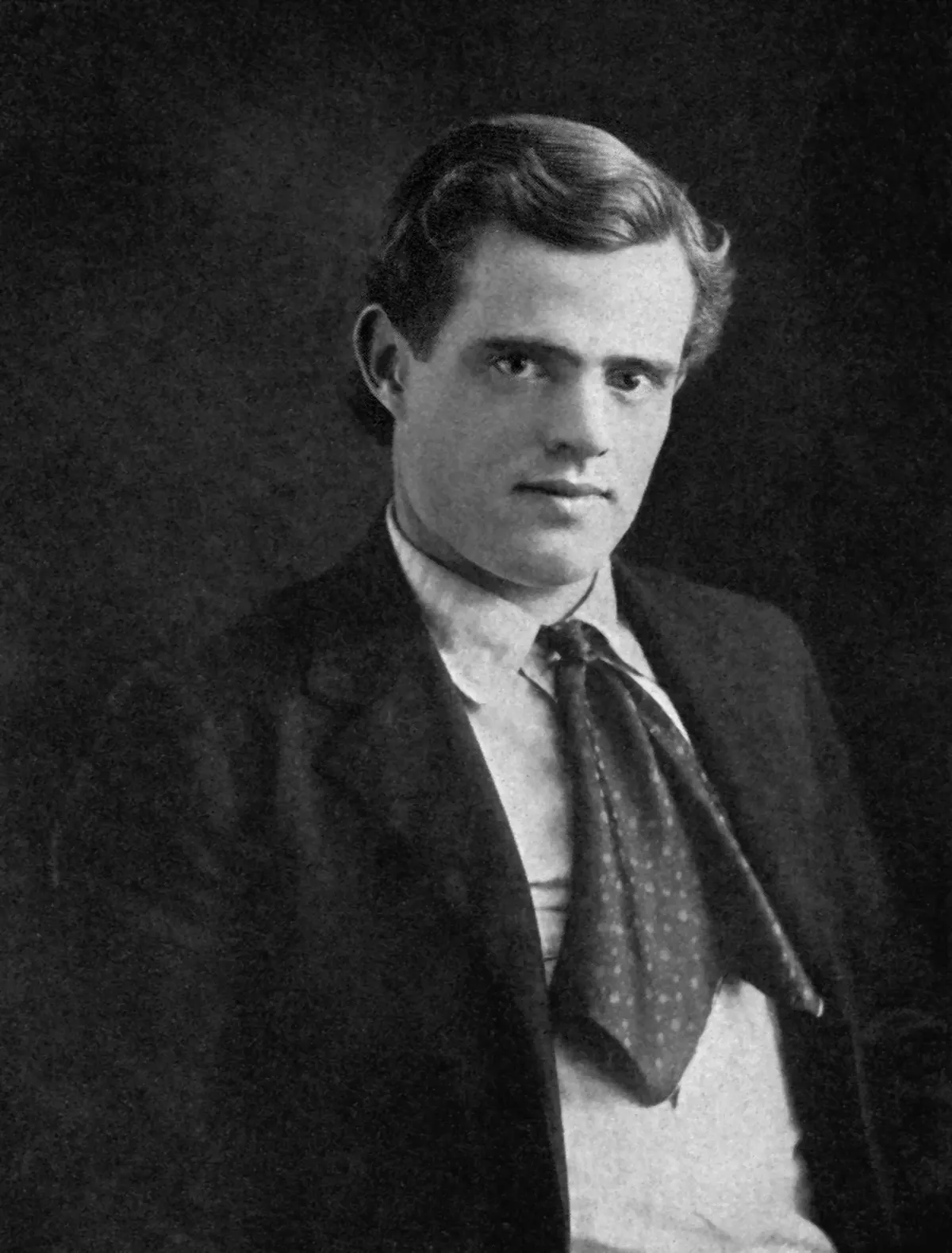
Jack London
Notable FigureJack London was an American writer who joined the Klondike stampede in 1897 at age 21. He found little gold but returned with the raw material for The Call of the Wild, White Fang, and the stories that made him one of the world's most famous authors.
The Klondike Gold Rush shaped the economy and settlement of the Yukon and Alaska and strengthened Canadian authority in the North. Dawson City and Whitehorse grew as administrative and supply centers; the White Pass and Yukon Route railway, built to serve the rush, remained an important transport link. Indigenous peoples, including the Tagish and Tlingit, were central to the discovery and to guiding and supplying stampeders, yet the rush also brought disease, displacement, and lasting social change.
Today the Klondike is remembered through museums, historic sites, and the Klondike Gold Rush International Historical Park. The story of the discovery—and the role of Skookum Jim, George Carmack, and Dawson Charlie—continues to be retold, while the region's mining heritage and natural landscape draw visitors and researchers.