Victorian Gold Rush
Victoria, Australia (1851–1860s)
Aboriginal and Torres Strait Islander people are advised that this page may contain images and names of people who have died.
Date range
1851 – 1869
Major Fields
Ballarat, Mount Alexander (Castlemaine), Bendigo, Beechworth
Trigger Event
Gold at Clunes, Warrandyte and Buninyong, mid-1851
Defining Event
Eureka Stockade, 3 December 1854
Largest Nugget
Welcome Stranger, Moliagul, 1869
Bendigo by mid-1852
~40,000 diggers
Victoria Population
~77,000 (1851) → ~539,000 (1861)
Share of World Gold (1850s)
More than one-third
Map: Victorian Gold Rush (-37.56, 143.85)
Victoria became a separate colony on 1 July 1851 — and almost immediately began to lose its men to the NSW diggings. Melbourne's merchants responded with a reward for anyone who could find payable gold within 200 miles of the city. They did not wait long. Within weeks, finds were announced at Clunes (James Esmond), at Anderson's Creek near Warrandyte (Louis Michel and party), and in August at Buninyong (Thomas Hiscock), which opened the way to Ballarat.
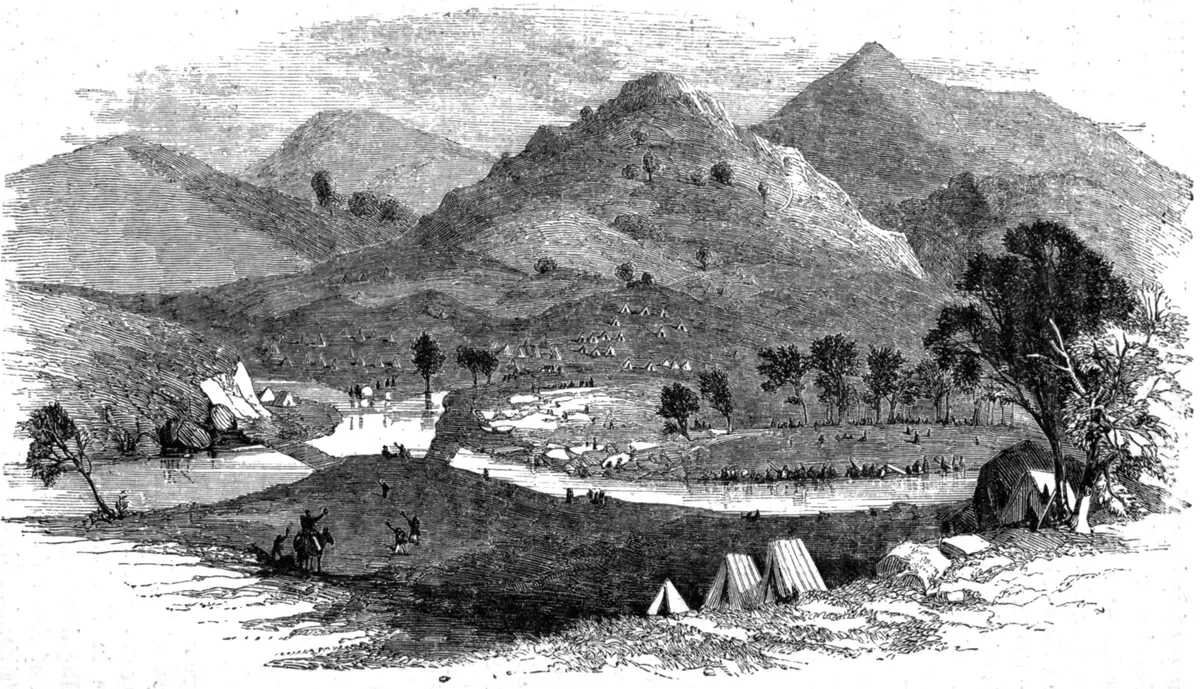
What followed dwarfed New South Wales. By October 1851 thousands were working the shallow ground at Golden Point near Ballarat. Then news broke of Forest Creek at Mount Alexander (Castlemaine) — arguably the richest shallow alluvial field ever found — and Melbourne emptied almost overnight. Bendigo Creek followed late in 1851; by mid-1852 tens of thousands of diggers were camped along it. Ships from Britain, Ireland, Europe, the Americas and, from 1853, southern China poured migrants into Port Phillip. In the 1850s Victoria produced more than a third of the world's gold, and Melbourne grew from a small town into one of the richest cities of the British Empire.
Governing this flood fell to Lieutenant-Governor Charles La Trobe and his successor Sir Charles Hotham. Their main instrument was the miner's licence: a monthly fee of 30 shillings charged whether or not a digger found gold, enforced by armed "licence hunts". Resentment grew through 1853 (the Red Ribbon protests at Bendigo) and boiled over at Ballarat in late 1854 after the hotel-keeper James Bentley was acquitted of killing the digger James Scobie. Miners burned Bentley's hotel, formed the Ballarat Reform League, and at Bakery Hill swore an oath under the Southern Cross flag. Led by the Irish engineer Peter Lalor, they built a rough timber stockade on the Eureka lead.
At dawn on Sunday 3 December 1854 around 276 soldiers and police overran the Eureka Stockade in a fight lasting perhaps a quarter of an hour. At least 22 diggers and 5–6 soldiers died. Lalor, badly wounded, escaped and lost his arm. Thirteen men were tried for high treason in Melbourne; juries acquitted every one. A commission of inquiry sided largely with the miners: the licence was replaced by a cheap annual Miner's Right (£1 a year), which also carried the vote, and Lalor himself was elected to the Legislative Council. Eureka became a founding story for Australian democracy.
The rush also produced Australia's first large Chinese community. From 1855 Victoria imposed a £10 landing tax on Chinese arrivals; ship captains responded by landing passengers at Robe in South Australia, from where thousands walked some 400–500 km to the goldfields. Chinese miners reworked abandoned ground, built temples and market gardens, and faced sustained hostility, including the 1857 Buckland River riot.
For the Dja Dja Wurrung, Wadawurrung and other nations of central Victoria, the rush brought a second, faster wave of dispossession: creeks were dug out, forests cut, and populations already devastated by disease fell further. Some Aboriginal people worked the diggings as fossickers, guides and Native Police troopers. The Dja Dja Wurrung still call the goldfields "upside-down country".
By the 1860s easy alluvial gold was gone and Victoria's industry shifted to deep-lead and quartz-reef mining run by companies. Bendigo became one of the great reef-mining centres of the world, and in 1869 two Cornish miners unearthed the Welcome Stranger at Moliagul — the largest alluvial nugget ever recorded.
Timeline
1 July: Victoria separates from NSW; reward offered for payable gold near Melbourne
July: Finds announced at Clunes (Esmond) and Warrandyte (Michel)
August: Thomas Hiscock finds gold at Buninyong, opening Ballarat
September–November: Rush to Forest Creek, Mount Alexander (Castlemaine)
Late 1851: Gold at Bendigo Creek
Bendigo diggings reach ~40,000 people; mass immigration from overseas
Red Ribbon protests against the licence fee at Bendigo
October: James Scobie killed; Eureka Hotel burned
3 December: Eureka Stockade attacked at dawn
Treason defendants acquitted; Miner's Right replaces licence; Chinese landing tax imposed
Peak of Chinese arrivals via Robe, South Australia; Buckland River riot
Welcome Stranger nugget found at Moliagul
Notable Figures
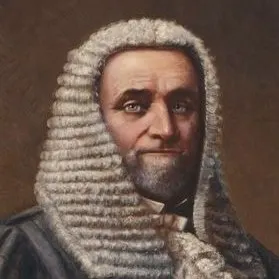
Peter Lalor
Eureka LeaderIrish-born engineer who led the diggers at the Eureka Stockade in December 1854 and lost his arm in the battle. He later became a member and Speaker of Victoria's Legislative Assembly.
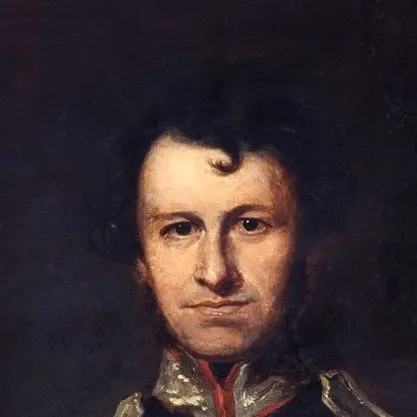
Charles La Trobe
Lieutenant-GovernorFirst Lieutenant-Governor of Victoria, who faced the sudden flood of the 1851 rush with a tiny administration. His licence-fee system kept order but sowed the resentment that led to Eureka.
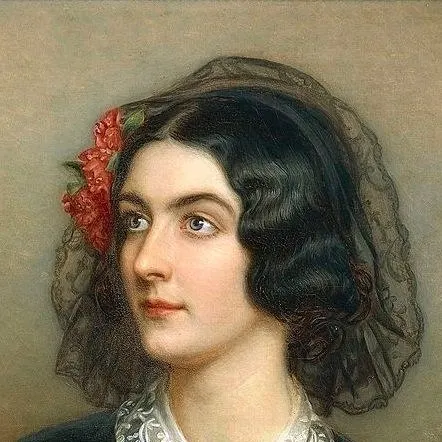
Lola Montez
Entertainer on the GoldfieldsIrish-born dancer and actress who toured the Victorian goldfields in 1855–56, famously performing at Ballarat and clashing with a newspaper editor there.
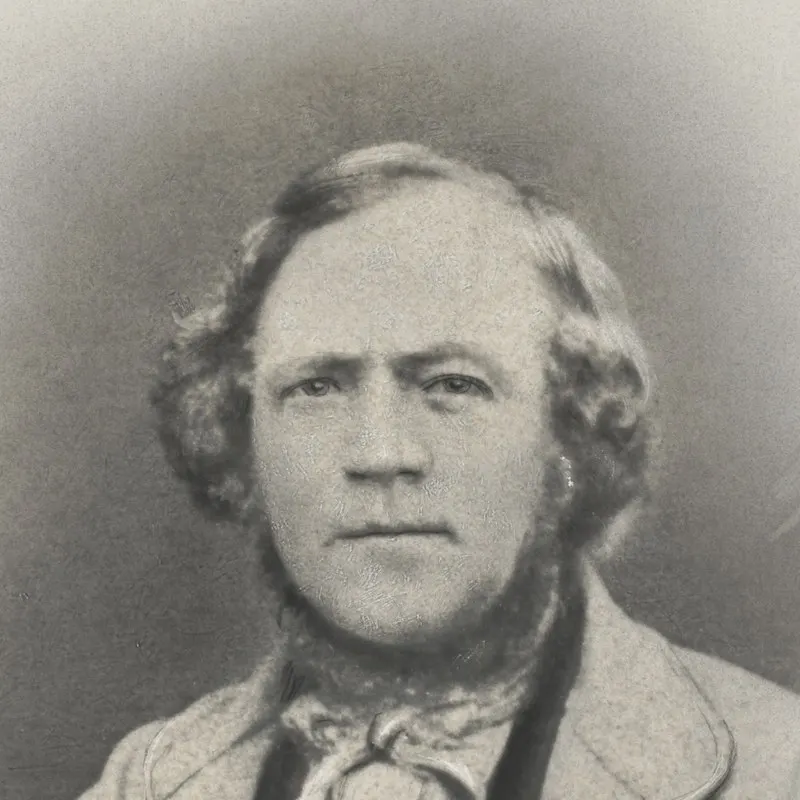
Thomas Hiscock
Discoverer (Buninyong / Ballarat)Buninyong blacksmith who found gold near the town in August 1851, a discovery credited with opening the Ballarat goldfield.
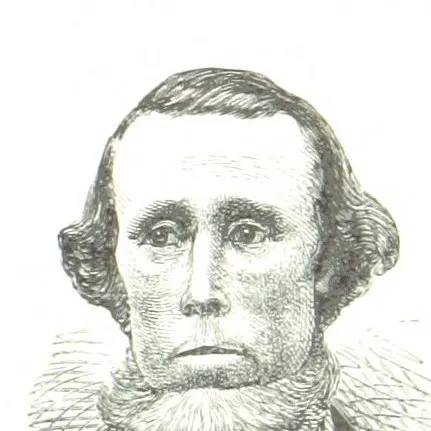
James Esmond
Discoverer (Clunes)Irish-born veteran of the California rush who announced gold at Clunes in July 1851, one of the first finds of the Victorian gold rush. He is often credited with Victoria's first officially recognised discovery.
John Deason
Nugget Finder (Welcome Stranger)Cornish miner who, with Richard Oates, unearthed the Welcome Stranger at Moliagul in 1869 — the largest alluvial gold nugget ever found. He stayed in the district and farmed until his death in 1915.
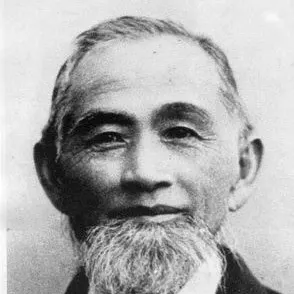
Louis Ah Mouy
Chinese MerchantEarly Chinese merchant in Melbourne and goldfields investor who co-wrote *The Chinese Question in Australia* (1879) with Lowe Kong Meng, arguing for fair treatment of Chinese colonists.
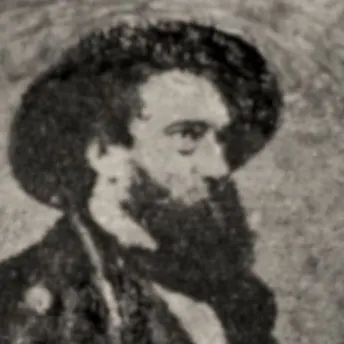
Raffaello Carboni
Eureka Participant & ChroniclerItalian revolutionary and linguist who was among the 13 diggers tried and acquitted of treason after Eureka. His 1855 eyewitness book *The Eureka Stockade* remains a key source.
James Scobie
Miner (death sparked Eureka)Scottish digger killed at Ballarat's Eureka Hotel in October 1854. The acquittal of the hotel-keeper sparked the protests that led to the Eureka Stockade.
Richard Oates
Nugget Finder (Welcome Stranger)Cornish miner and Deason's partner in the 1869 Welcome Stranger find. He returned to Britain to marry, came back to Victoria with his family, and died there in 1906.
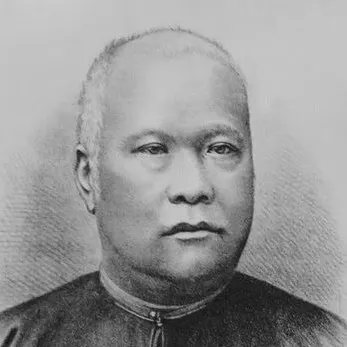
Lowe Kong Meng
Chinese Merchant & AdvocatePenang-born merchant who became one of Melbourne's richest men and the leading voice of the Chinese community during the gold era. He imported goods and passengers, invested in mining, and argued publicly against anti-Chinese laws.
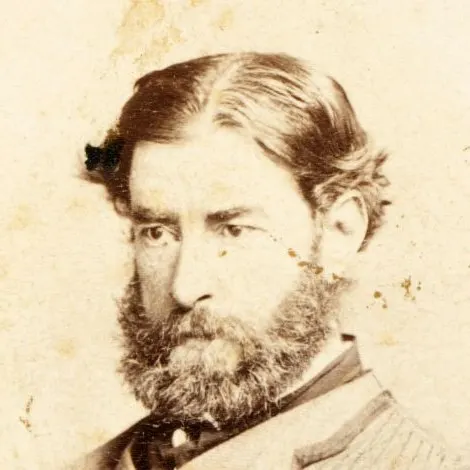
S.T. Gill
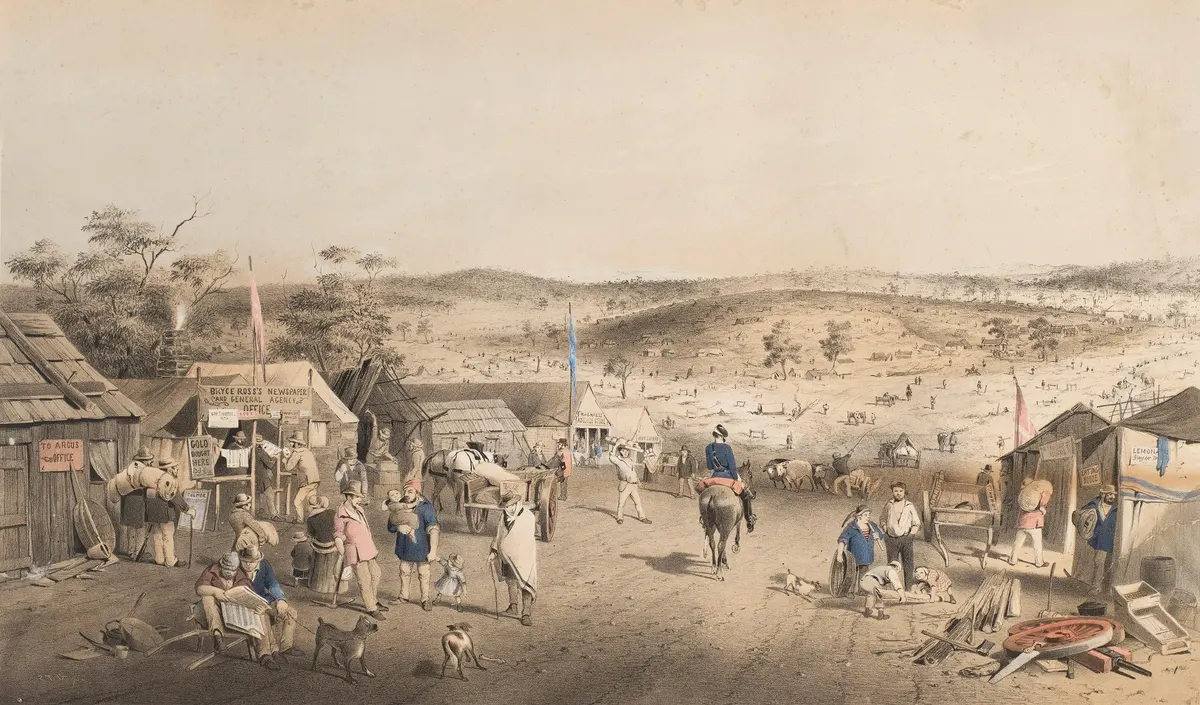
Goldfields ArtistEnglish-born artist whose lively watercolours and lithographs of the Victorian diggings in 1852–53 are among the best visual records of daily goldfields life.
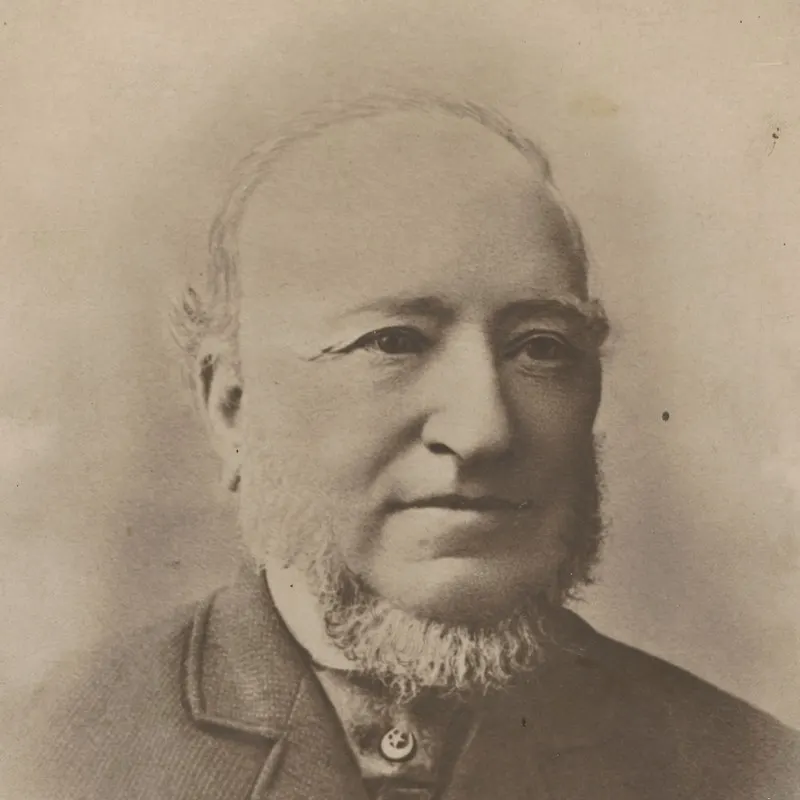
Louis Michel
Discoverer (Warrandyte)Led the party that reported gold at Anderson's Creek, Warrandyte, in July 1851 — a find rewarded by the new Victorian government and one of the sparks of the colony's rush.
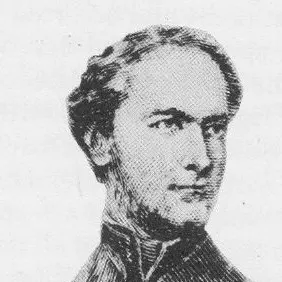
Sir Charles Hotham
GovernorNaval officer and Governor of Victoria from 1854 who intensified licence hunts to fix the colony's finances. His government's crackdown at Ballarat ended in the bloodshed of the Eureka Stockade.
Victoria's gold wealth is still visible in the boom-era streetscapes of Melbourne, Ballarat, Bendigo, Castlemaine, Maldon and Beechworth. Eureka remains one of Australia's most contested and celebrated symbols; the original flag is displayed at the Eureka Centre in Ballarat. Sovereign Hill recreates an 1850s–60s goldfields township, Bendigo's Golden Dragon Museum tells the Chinese story, and the Castlemaine Diggings National Heritage Park preserves an unusually intact early alluvial landscape. An 1897 obelisk marks the Welcome Stranger site at Moliagul. Modern mining continues on the old goldfields, notably at Fosterville near Bendigo, and recreational prospecting across the "Golden Triangle" remains popular.