Iditarod Gold Rush
The Yukon and Alaska, 1910–1912
Date range
1910 – 1912
Key Towns
Iditarod, Flat, Dikeman, McGrath
Trigger Event
John Beaton and William Dikeman discover placer gold on Otter Creek, a tributary of the Iditarod River, on Christmas Day, 1908
Gold Recovered
Approximately $30 million over the two most productive decades; the Iditarod district produced gold into the 1930s
Peak Population
The town of Iditarod briefly reached approximately 10,000 people in 1910–1911, making it the largest city in Alaska at that moment
Map: Iditarod Gold Rush (62.98, -158.06)
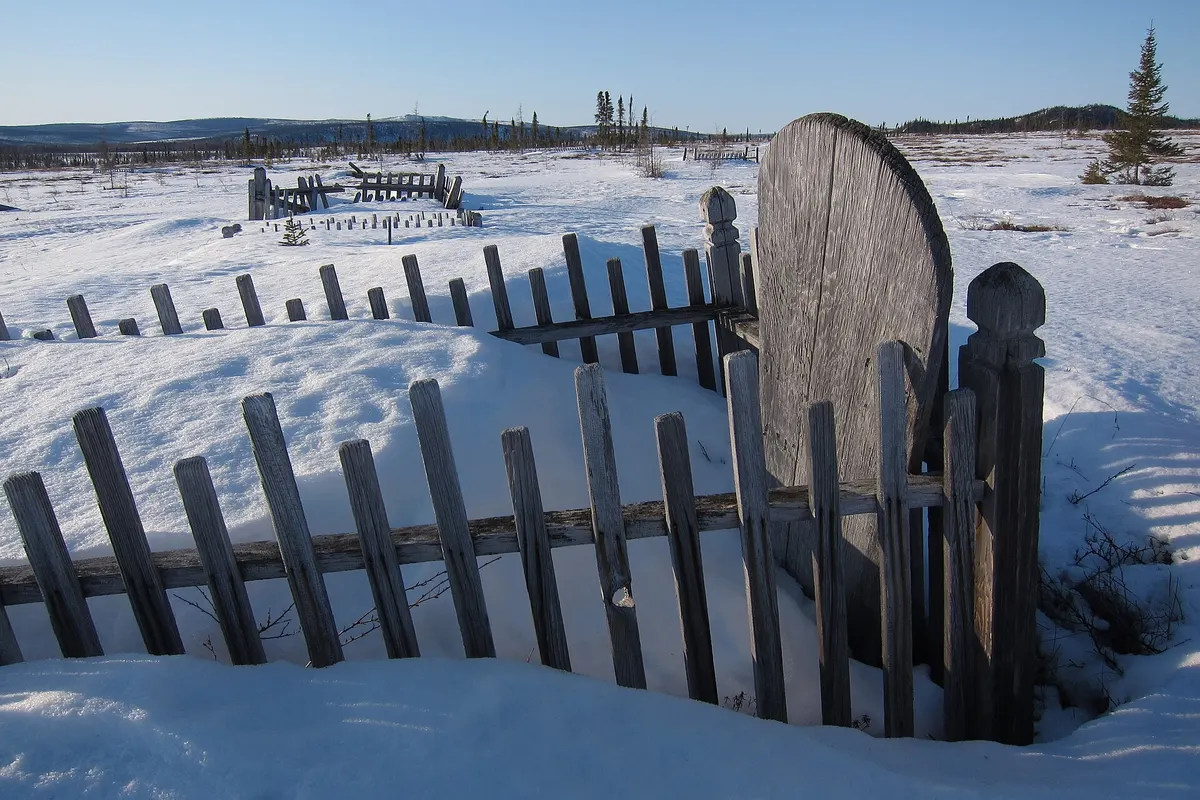
The Iditarod Gold Rush of 1910–1912 was among the last of the great Alaskan gold rushes, a remote and dramatic episode that unfolded in the vast roadless wilderness of western interior Alaska and briefly created a city of ten thousand people in a land that had harbored only scattered Indigenous settlements and wandering prospectors. Though it is less famous than the Klondike or Nome rushes that preceded it, the Iditarod rush left a lasting legacy — the trail blazed to supply its mines became the route of the world’s most celebrated sled dog race.
The discovery that triggered the rush was made on Christmas Day, 1908, by two prospectors, John Beaton and William Dikeman, who were working the creek drainages of the Iditarod River valley in the remote Kuskokwim region of western Alaska. Finding gold in the gravels of Otter Creek, a small tributary of the Iditarod River, on the most celebrated holiday of the year added a memorable touch to what was already a significant find. Beaton and Dikeman staked their claims and began working the ground, and word of their discovery spread through the Alaskan prospecting community during the winter of 1908–1909.
The rush that followed in 1910 was among the most rapid and dramatic in Alaskan history. The Iditarod River country lay in one of the most isolated portions of a territory that was itself largely unmapped and inaccessible. Getting to the diggings required either a long river journey from the coast of the Bering Sea up the Kuskokwim or Yukon rivers, or an overland trek through hundreds of miles of tundra and boreal forest. In winter, the most practical route was by dog sled over the frozen rivers and trails, and it was the demands of this rush that created the Iditarod Trail — a system of winter routes connecting Nome, Seward, and Anchorage with the interior mining districts, stretching nearly a thousand miles across the Alaskan landscape.
Despite the difficulty of access, the rush brought thousands of stampeders to the Iditarod district within months of the discovery becoming publicly known. The town of Iditarod, platted at the confluence of Otter Creek and the Iditarod River, grew with astounding speed. By 1910 it had a population of perhaps 10,000 people, making it, for a brief and remarkable moment, the largest city in Alaska — larger than Fairbanks, Nome, or Juneau. It had hotels, saloons, stores, a newspaper, and the characteristic infrastructure of a gold rush boomtown transplanted into a wilderness setting.
The nearby settlement of Flat also grew rapidly, situated closer to some of the more productive creek drainages. The creek Flat was founded upon, Otter Creek, and the surrounding tributaries of Otter, Flat, Ophir, and other creeks proved to carry substantial placer gold. The Iditarod district’s gold was typical of western Alaskan placer deposits — relatively fine-grained gold distributed through the creek gravels, worked by sluice box and, later, by mechanized equipment.
The rush peaked quickly and subsided nearly as fast. By 1912, the easily accessible surface deposits had been largely claimed and worked, and the population of Iditarod began its rapid decline. The town shrank to a few hundred permanent residents by the mid-1910s and eventually became one of Alaska’s ghost towns, its wooden buildings gradually collapsing in the boreal forest. The town of Flat survived somewhat longer, sustained by continued mining on the more productive creeks, and small-scale gold operations in the Iditarod district persisted into the 1930s and beyond.
Total gold production from the Iditarod district reached approximately $30 million over the first two decades of operation, a significant sum for a remote placer district. The rushes to Iditarod and Flat were among the last significant gold rushes in Alaska, marking the end of the era of the individual placer miner in the territory.
The most enduring legacy of the Iditarod rush is not its gold production but the trail it created. The Iditarod Trail, blazed and improved during the rush years to supply the mining districts with goods and mail, became a vital artery of communication and commerce across western and interior Alaska. Dog teams ran the trail in winter carrying passengers, supplies, and mail, and in 1925 the trail achieved worldwide fame when relay teams of mushers and their dogs carried diphtheria antitoxin from Nenana to Nome during a deadly epidemic — a feat commemorated annually by the Iditarod Trail Sled Dog Race, one of the most challenging athletic events in the world.
Timeline
Gold rush begins
Rush concludes / mining activity winds down
Notable Figures
John Beaton
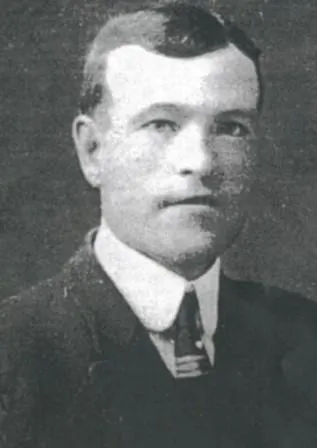
Notable FigureJohn Beaton was a Nova Scotia-born miner who, with partner William Dikeman, struck gold on Otter Creek on Christmas Day 1908, launching the Iditarod Gold Rush, Alaska's last great stampede, and the boomtowns of Iditarod and Flat.
William Dikeman
Notable FigureWilliam A. 'Bill' Dikeman was John Beaton's prospecting partner in the Iditarod country, sharing the Christmas Day 1908 gold strike on Otter Creek that set off the Iditarod Gold Rush. A creek in the district still bears his name.
The 1908 strike by John Beaton and William Dikeman on Otter Creek launched Alaska's last major gold stampede. Thousands mushed and steamed into the Innoko-Iditarod country, building the twin towns of Iditarod and Flat, and for a few years the district ranked among Alaska's richest placer producers. Its most enduring legacy is the trail itself: the winter route blazed from Seward through the goldfields to Nome became a lifeline for mail and freight by dog team, crossing the homelands of Dena'ina, Deg Hit'an, and other Alaska Native peoples whose villages, labor, and dog-team expertise sustained the traffic even as disease epidemics devastated their communities.
The towns emptied as the gold thinned; Iditarod is now a ghost town of sagging ruins on a slough of the Iditarod River. The route lives on as the Iditarod National Historic Trail and lends its name to the famous sled-dog race run every March, which passes the old diggings in odd-numbered years.