Tulameen Gold Rush
British Columbia, 1885–1890s
Date range
1885
Key Towns
Granite City (Granite Creek), Tulameen, Princeton
Trigger Event
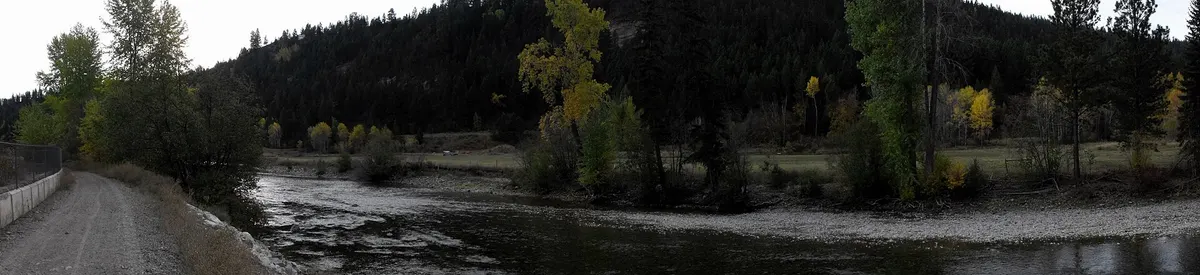
On July 5, 1885, sometime cowboy and prospector Johnny Chance discovered gold at Granite Creek in the Tulameen Valley northwest of Princeton. Waking from a nap with his feet in the creek, he spotted a gold nugget in the streambed. Within four months of the discovery, 34 mining companies and 28 development groups were operating on the creek.
Gold Recovered
~5,400 oz ($90,000) by October 1885; estimated $500,000+ total placer gold from Granite Creek; also notable for platinum deposits discovered in the Tulameen River
Peak Population
~2,000 people in Granite City at peak; fifth-largest town in BC with ~200 buildings, 13 saloons, 14 hotels and restaurants
Map: Tulameen Gold Rush (49.53, -120.63)
The Tulameen Gold Rush of 1885 was the last significant placer gold rush in southern British Columbia and one of the more charming discovery stories in the province’s mining history, triggered by a prospector who found gold while napping with his feet in a creek. While modest in scale compared to the great BC rushes of the 1860s, it produced a genuine boomtown that briefly ranked among the largest communities in the province, and it revealed that the Tulameen River valley held not only gold but platinum — one of the few locations in Canada where placer platinum was found in significant quantities.
The discovery was made on July 5, 1885, by Johnny Chance, a sometime cowboy and sometime outlaw who had wandered into the Tulameen Valley northwest of Princeton, where modest placer operations were already underway. Chance lay down for a rest with his feet in the cool water of Granite Creek, and when he sat up, he spotted a gold nugget in the streambed. His claim, and the claims that followed from the other prospectors he informed, proved to be genuinely productive, and news spread quickly through the BC mining community.
The response was rapid and remarkable for the region. By October 31, 1885 — less than four months after Chance’s discovery — 34 companies and teams of miners were successfully recovering gold, and another 28 groups were at various stages of developing their claims. Approximately 5,400 ounces of gold, valued at $90,000, had been reported as recovered. The new townsite of Granite City (also known as Granite Creek) was established to serve the rush, and it grew quickly to a population of around 2,000, with approximately 200 buildings including 13 saloons and 14 hotels and restaurants — making it briefly the fifth-largest town in British Columbia.
The rush also produced an unexpected discovery: a Swedish prospector named Johanssen recovered approximately 20 pounds of platinum nuggets from his diggings and stored them in a bucket. Platinum was not yet widely valued, and Johanssen, apparently uncertain what to do with the metal, buried the bucket near his cabin when he abandoned his claim. The platinum was never recovered, and the story became one of the Tulameen Valley’s enduring legends. The broader Tulameen River system was subsequently recognized as one of Canada’s most significant placer platinum deposits.
By the late 1880s, the most accessible gold in Granite Creek had been worked out, and the rush subsided. Total placer gold production from Granite Creek is estimated at more than $500,000. Granite City, which had briefly been one of BC’s largest communities, dwindled and eventually disappeared, though the surrounding Tulameen Valley continued to attract prospectors and small-scale operations for decades afterward.
Timeline
Gold rush begins
Notable Figures
Johnny Chance's 1885 discovery of coarse gold on Granite Creek set off the Tulameen rush, and Granite City mushroomed to some 2,000 people — briefly among the largest settlements in mainland British Columbia, with a main street of saloons serving miners from around the world. The Tulameen district proved doubly unusual: its gravels carried platinum alongside gold, one of the few placer platinum fields in North America, though early miners famously discarded the mystery metal. The rush accelerated settlement of the Similkameen country, homeland of the Similkameen bands of the Syilx people, and paved the way for the coal and railway era at Princeton and Coalmont.
Granite City burned in 1907 and faded to a handful of log ruins, which can still be visited near Coalmont today. The Princeton & District Museum preserves the rush's nuggets, platinum, and stories, and the Tulameen and Granite creeks remain favourite haunts of BC's recreational panners.