Owyhee Gold Rush
The Rocky Mountain West, 1863–1870s
Date range
1863
Key Towns
Ruby City, Silver City, Owyhee County
Trigger Event
On May 18, 1863, a party of 29 men known as the Jordan Party — ostensibly searching for the mythical Blue Bucket Mine of Oregon — discovered gold on Jordan Creek in the Owyhee Mountains of present-day southwestern Idaho. News reaching the Boise Basin triggered a mass exodus of miners south to the Owyhees within weeks.
Gold Recovered
Silver City district produced 1+ million troy ounces of gold; the first stamp mill recovered $90,000 in just 45 days. District was primarily silver after initial gold finds, but also one of Idaho’s most significant precious metals districts.
Peak Population
Thousands rushed to the Owyhees by midsummer 1863; two rough towns sprang up immediately
Map: Owyhee Gold Rush (43.00, -117.00)
The Owyhee Gold Rush of 1863 was the third major gold rush in the rapid-fire series of Idaho mineral discoveries that followed the 1860 Clearwater strike, and it quickly revealed itself to be something richer and more geologically complex than a simple placer gold rush. What began as a gold discovery on Jordan Creek evolved within months into one of the most significant silver and gold lode mining districts in the American West, producing wealth over the following decades that far outstripped the initial excitement of the surface placer finds.
The discovery was made on May 18, 1863, by a party of 29 men known as the Jordan Party, who had set out from the Boise Basin supposedly in search of the legendary Blue Bucket Mine — a mythical deposit that Oregon Trail emigrants had allegedly encountered in 1845 and never relocated. Working up Jordan Creek after striking gold in its lower reaches, the party returned to the Boise Basin with news that set off an immediate rush southward. One letter-writer in Placerville described the scene: ‘The rush this spring to the Boise mines was frantic… But violently as it raged, it was but a small matter compared to the rush from Boise to Owyhee.’ When news of the discovery reached the basin, hundreds of prospectors rushed south, only to find that nearly all the best ground had already been claimed.
By midsummer 1863, two rough towns had emerged in the Owyhee Mountains: Ruby City, which almost immediately became the county seat for the newly organized Owyhee County, and Silver City, founded before the end of the year by entrepreneurs who recognized the long-term potential of the district. The names reflected a growing understanding that the real wealth of the Owyhees was not gold but silver, with lodes described as richer than any others known except the best finds around Virginia City, Nevada.
The first stamp mill was constructed in the summer of 1864, built at the enormous cost of $70,000. It recovered $90,000 from the rich Owyhee ores in just 45 days, demonstrating the scale of what the district held. The Silver City district ultimately produced more than 1 million troy ounces of gold, and the district’s silver production was even more substantial. Mining operations continued well into the twentieth century, with the War Eagle and Florida mountains yielding ore through successive technological improvements in extraction.
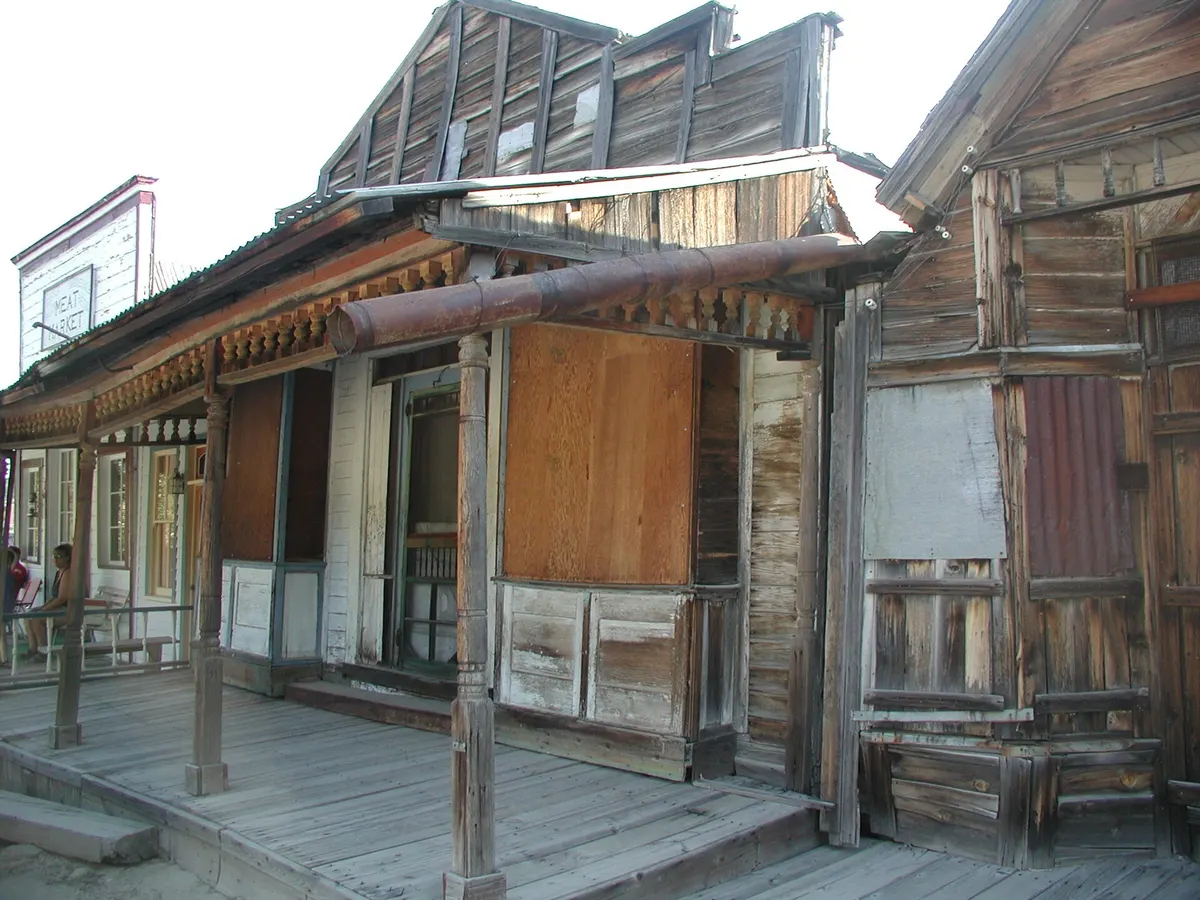
The Owyhee rush contributed to the broader consolidation of Idaho Territory’s economy and governance during the Civil War period, adding a third major mining district to the territory within three years of its first gold discovery. Silver City, despite its remote location in the high desert mountains of southwestern Idaho, became a substantial community with multiple newspapers, churches, and civic institutions, and its architecture — much of which survives today as a designated National Historic Landmark — reflects the confidence of a community that believed it was building something permanent.
Timeline
Gold rush begins
Michael Jordan's party found placer gold on Jordan Creek in May 1863, and the discovery of fabulously rich silver-gold veins on War Eagle Mountain soon after made the Owyhee one of the great mining districts of the West. Ruby City and then Silver City boomed, mills lined the creek, and mines like the Poorman produced ore so rich it won prizes in Paris. The rush drove violent conflict across the region as the Northern Paiute and Bannock resisted invasion of their lands during the Snake War of 1864–68, one of the deadliest Indian wars in the West yet among the least remembered.
Silver City escaped both fire and modernization: today it is one of America's most authentic unrestored ghost towns, with some seventy original buildings, including the Idaho Hotel, still standing at 6,200 feet. The Owyhee County Museum in Murphy preserves the district's story, and heritage tourism now sustains what the mines began.