Owens Valley Gold Rush
California, 1862–1865
Date range
1862 – 1865
Key Towns
Owensville, San Carlos, Bend City, Independence
Trigger Event
Around 1862, a soldier prospecting in the foothills near Mazourka Canyon east of Independence, California discovered gold. The find, combined with silver discoveries east of the Sierra Nevada, drew stockmen, miners, and merchants into the Owens River Valley, which had previously seen only modest settlement.
Gold Recovered
Specific totals not documented; described as modest compared to major California rushes; mining was secondary to broader settlement and ranching activity in the valley
Peak Population
San Carlos reached ~200 by September 1863; Bend City grew to 30+ adobe houses with 5 mercantile establishments; overall district modest
Map: Owens Valley Gold Rush (36.73, -118.13)
The Owens Valley Gold Rush of the early 1860s was a minor but historically layered episode in California mining history, occurring in the long high-desert valley east of the Sierra Nevada during the broader Civil War era that was simultaneously reshaping the American West through conflict, treaty violations, and accelerating settlement. While the gold finds themselves were modest and the rush relatively small in scale, the episode is inseparable from the violent Owens Valley Indian War of 1861–65 and the broader dispossession of the Owens Valley Paiute people, whose homeland the miners and settlers were invading.
The trigger for mineral activity in the region came around 1862, when a soldier exploring the foothills near Mazourka Canyon east of the nascent settlement of Independence discovered gold. The find was quickly followed by reports of silver deposits in the mountains east of the Sierra Nevada, and the combination drew a mixed wave of prospectors, cattlemen, and merchants into the valley. The first cattleman to drive cattle into the Owens Valley had arrived in 1859; the mining activity of the early 1860s accelerated a settlement process already underway.
The towns that grew along the Owens River in this period reflected the mixed character of the rush. Owensville served as an early settlement point; San Carlos was established in 1862 on the eastern bank of the Owens River around a stamp mill and mining operation, reaching a population of around 200 by September 1863. Bend City, established in late 1863, grew quickly to over thirty adobe houses, with five mercantile establishments, two hotels, a library, a stock exchange, blacksmith shops, and a laundry — an impressive infrastructure for a settlement in a remote desert valley.
The military dimension of the rush was significant and brutal. The influx of miners and settlers into the Owens Valley coincided with and directly exacerbated conflict with the Owens Valley Paiute, who had occupied the valley for generations and whose complex irrigation-based subsistence economy was immediately threatened by the arrival of cattle herds that competed with native seed-producing plants. The resulting Owens Valley Indian War, which extended from 1861 to approximately 1865, resulted in the deaths of hundreds of Paiute people and the forced removal of survivors to the Sebastian Indian Reservation. Camp Independence, established by the U.S. Army in 1862 near present-day Independence, provided both a military presence and a commercial anchor for the growing settler community.
The gold and silver finds in the Owens Valley never produced the kind of sustained wealth that characterized major California mining districts, and most of the mining activity had wound down by the mid-1860s. But the settlement infrastructure established during the rush period — the towns, roads, military posts, and supply routes — formed the basis of the Owens Valley’s permanent Anglo-American community, which would subsequently develop an economy based primarily on cattle ranching and, eventually, water supply to Los Angeles.
Timeline
Gold rush begins
Rush concludes / mining activity winds down
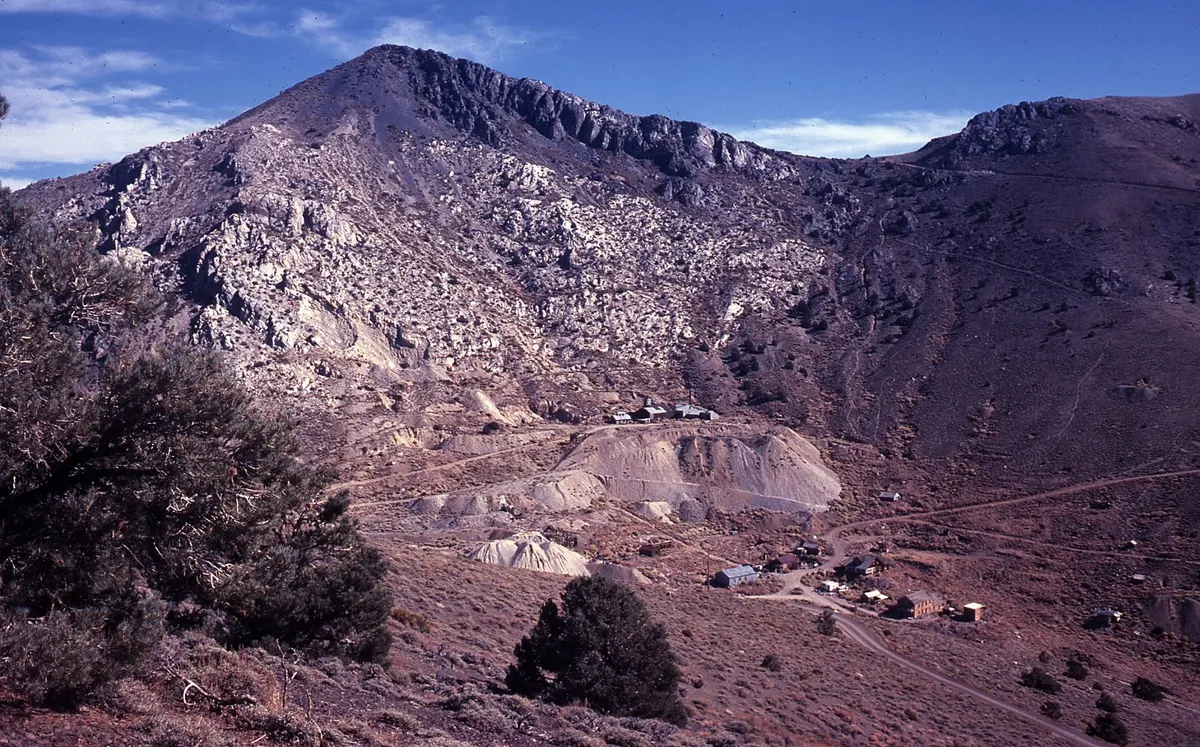
Mining excitement reached the Owens Valley in the early 1860s, with gold camps like San Carlos and Bend City rising on the Owens River while richer strikes in the surrounding ranges — and later the great silver bonanza at Cerro Gordo — kept prospectors combing the eastern Sierra. The rush collided head-on with the Numu (Owens Valley Paiute), whose irrigated homeland this was: competition over land, water, and food ignited the Owens Valley Indian War of 1862–63, ending with the forced removal of hundreds of Paiute people to Fort Tejon, one of California's grimmest chapters. Mining, then ranching, then Los Angeles's aqueduct remade the valley in turn.
The riverbank camps vanished within years — adobe traces of Bend City and San Carlos are all but gone — but mining heritage endures at ghost towns like Cerro Gordo and in the region's museums. The Laws Railroad Museum near Bishop and the Eastern California Museum in Independence preserve the valley's mining, railroad, and Paiute history.