Holcomb Valley Gold Rush
California, 1860–1861
Date range
1860 – 1861
Key Towns
Belleville, Union Town, Clapboard Town, Bloody Gulch (all in Holcomb Valley, San Bernardino Mountains)
Trigger Event
On May 5, 1860, frontier hunter William Francis Holcomb, while tracking a wounded grizzly bear through the San Bernardino Mountains, chipped off a piece of exposed rock and found it embedded with chunks of gold. He and companion Ben Ware staked five claims in the valley, triggering Southern California’s largest gold rush.
Gold Recovered
Largest gold production of any Southern California mining operation; exact total undocumented but described as the richest gold strike in Southern California history
Peak Population
Over 2,000 miners within six months; Belleville ranked 2nd or 3rd largest settlement in Southern California at its peak
Map: Holcomb Valley Gold Rush (34.27, -116.72)
The Holcomb Valley Gold Rush of 1860–1861 was the largest and most productive gold rush in the history of Southern California, transforming a remote valley in the San Bernardino Mountains into the most densely populated area in the southern half of the state for a brief and turbulent period during the early Civil War years. While it lacked the national scale of the Sierra Nevada rushes to the north, the Holcomb Valley rush was of enormous local significance, drawing thousands of prospectors to a landscape previously the domain of wildlife and the Serrano people.
The discovery was made on May 5, 1860, by William Francis Holcomb, a frontier hunter employed to supply meat to the mining operations already underway at nearby Bear Valley. While tracking a grizzly bear he had wounded the previous day, Holcomb chipped off a piece of exposed rock in the mountains and found it embedded with sizable chunks of gold. Returning with his companion Ben Ware, he staked five claims in what would become Holcomb Valley. The find was immediately recognized as significant for both the quality of the gold and the novelty of its location — high in the San Bernardino Mountains, far from the northern Sierra goldfields that had dominated California mining for a decade.
Word spread through the Southern California mining community with extraordinary speed. Within six months of the discovery, more than 2,000 men had arrived in Holcomb Valley, and the town of Belleville had been established as the commercial and administrative center of the district. At the height of the rush, Belleville ranked second or third in population among all Southern California settlements, surpassed only by Los Angeles. Surrounding camps multiplied: Union Town appeared two miles northeast, Clapboard Town two miles southwest, and the aptly named Bloody Gulch two miles northwest — the latter name a testament to the violence that characterized life in the camps.
The rush unfolded against the backdrop of the Civil War, which had begun just a year after the discovery. The mines attracted not only prospectors but also men avoiding conscription, deserters, and opportunists seeking to profit from wartime disruption. The result was a frontier community of considerable roughness: gambling, liquor, and violence were constants. The most notorious figure was ‘Greek George,’ a Greek immigrant who ran a gambling and drinking establishment of particular disrepute, whose Fourth of July celebration in 1860 ended in the deaths of three men.
William Holcomb himself went on to a distinguished career as a prospector throughout the American West, eventually co-discovering the Vulture Mine in Arizona — one of the richest gold mines in that territory’s history, which produced over $8 million in gold. Despite its brief peak, Holcomb Valley produced the most gold of any Southern California mining operation, and the valley is now a popular destination for recreational prospectors and history enthusiasts within the San Bernardino National Forest.
Timeline
Gold rush begins
Rush concludes / mining activity winds down
Notable Figures
William Francis Holcomb
Notable FigureWilliam Francis "Bill" Holcomb was an American prospector and bear hunter who discovered placer gold in May 1860 in the San Bernardino Mountains valley that now bears his name, setting off Southern California's largest gold rush. He later held county office and died in 1909.
Ben Ware
Notable FigureBen Ware was a prospector in the Holcomb Valley gold rush. On May 5, 1860, he and William F. Holcomb recorded the district's first five mining claims at the San Bernardino County recorder's office, helping trigger Southern California's biggest gold rush; little else is known of him.
Greek George
Notable FigureGreek George (Yiorgos Caralambo, c. 1828–1913) was a Greek camel driver brought to America in the 1850s for the U.S. Army's Camel Corps experiment. He packed supplies across the Southwest during Southern California's mining era and later settled near Los Angeles.
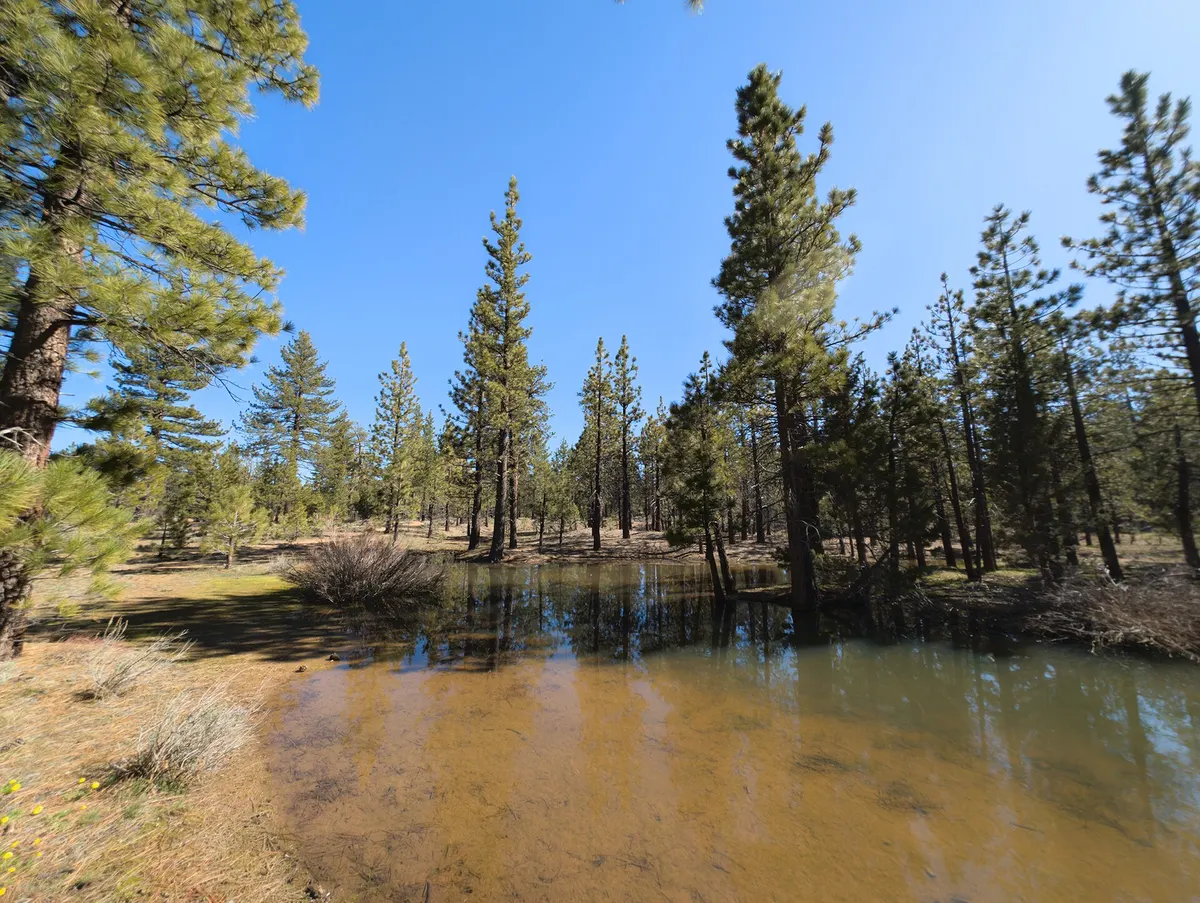
William F. Holcomb's 1860 discovery in a pine-rimmed valley north of Big Bear Lake set off Southern California's largest gold rush. The boomtown of Belleville sprang up almost overnight and briefly rivaled San Bernardino in population, coming within a few votes of taking the county seat; the valley's rough politics during the Civil War years made it a notorious refuge for desperados and Southern sympathizers. The rush intensified pressure on the Serrano people of the San Bernardino Mountains, already reeling from mission-era losses, and helped open the mountains to logging, ranching, and settlement.
Belleville faded within a decade as the placers thinned, though hard-rock mining sputtered on into the twentieth century. Today Holcomb Valley lies within the San Bernardino National Forest, where a self-guided auto tour visits cabin ruins, arrastra sites, and the "Hangman's Tree." The Big Bear Valley Historical Museum preserves the valley's artifacts and stories for the resort community next door.