Hodgkinson Gold Rush
Far North Queensland (1876–1880s)
Aboriginal and Torres Strait Islander people are advised that this page may contain images and names of people who have died.
Date range
1876 – 1886
Ports
Cairns, founded 1876 to serve the field, then Port Douglas
Effect
Drew Europeans away from the Palmer
Explorer
James Venture Mulligan named the river in 1874
Discovery
1876, by Mulligan
Main Towns
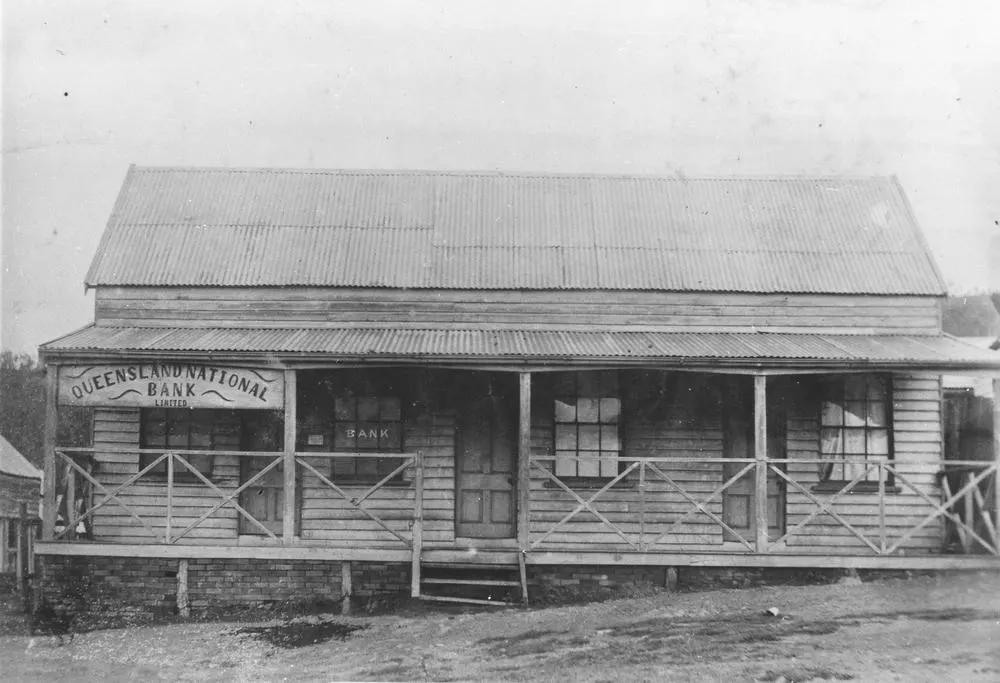
Thornborough, Kingsborough
Map: Hodgkinson Gold Rush (-16.98, 145.00)
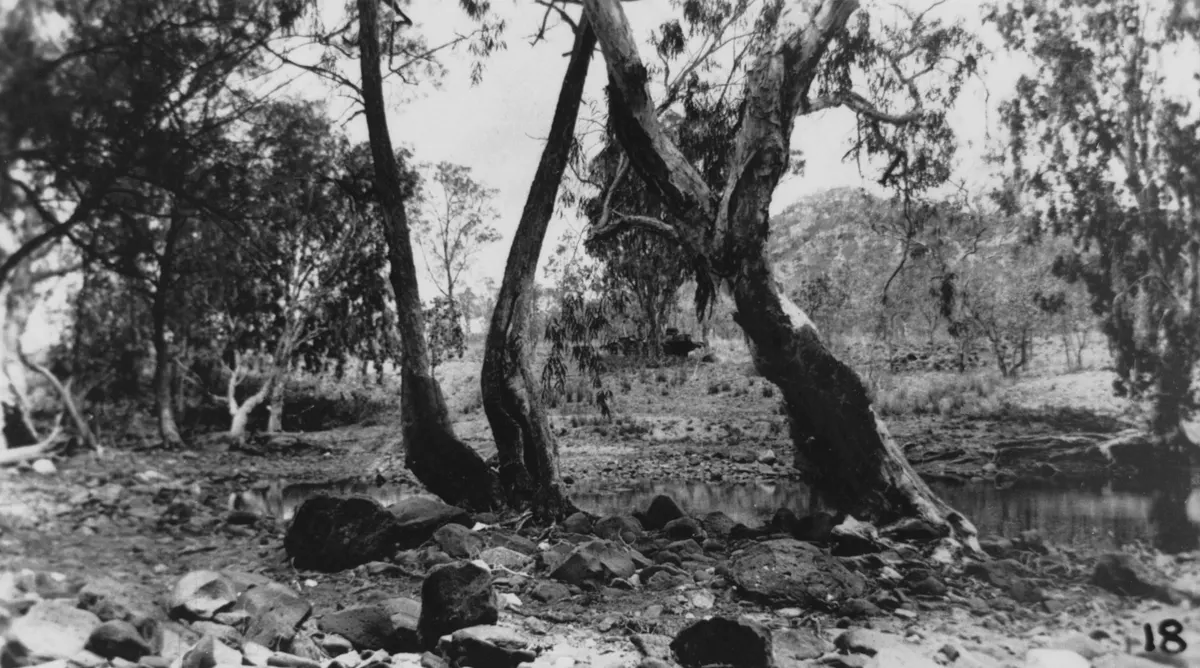
After opening the Palmer, Mulligan pushed south-east in 1874 and named the Hodgkinson River and Mount Mulligan. In 1876 he returned and found gold, triggering a rush that pulled many European miners off the declining Palmer.
The field was too far from Cooktown, so a new port was established at Cairns, though Port Douglas soon overtook it once a better track was cut down the range from Thornborough. The Hodgkinson was mainly a reef field and never matched the Palmer's alluvial riches, but it helped open the hinterland behind Cairns.
Timeline
Mulligan names the Hodgkinson River and Mount Mulligan
Mulligan returns to Cooktown with gold; rush begins
Cairns established as a port for the field
Notable Figures
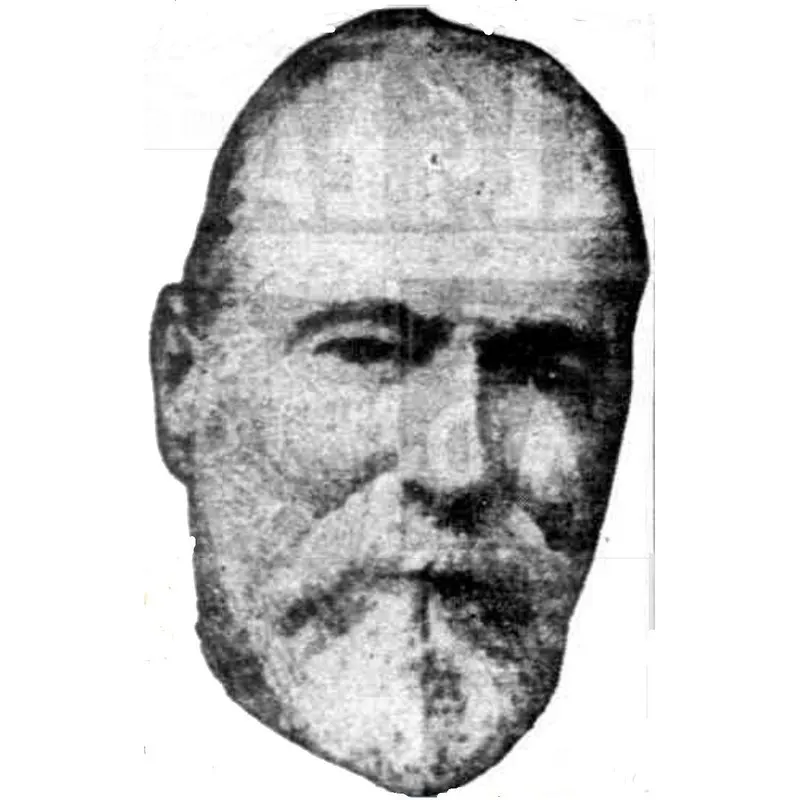
The Hodgkinson's main legacy is the far north itself: the rush helped found Cairns and Port Douglas and opened the country behind them. Mulligan settled at Thornborough and is buried at Mount Molloy.