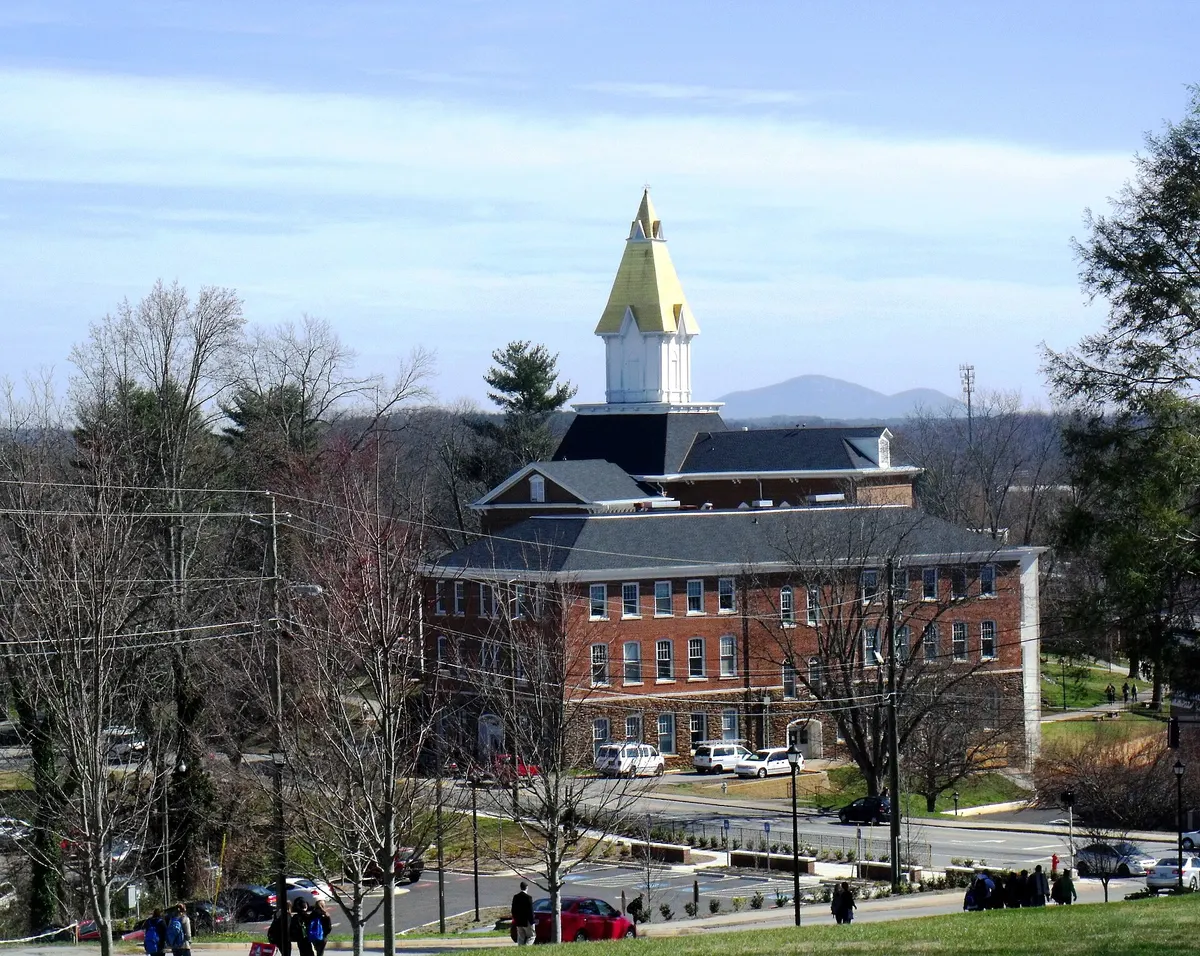
Georgia Gold Rush
The American South, 1828–1840s (limited production continued through mid-20th century)
Date range
1828
Key Towns
Dahlonega, Auraria, Lumpkin County, Habersham County
Trigger Event
On October 27, 1828, deer hunter Benjamin Parks reportedly tripped over a gold-bearing rock while walking through the woods near present-day Dahlonega in Lumpkin County. The first documented public notice appeared in the Georgia Journal on August 1, 1829.
Gold Recovered
~870,000 troy ounces (27,000 kg) total through mid-20th century; over 300 oz/day at peak along Yahoola Creek alone
Peak Population
~15,000 miners around Dahlonega at peak; 6,000–10,000 across the state by 1830
Map: Georgia Gold Rush (34.53, -83.98)
The Georgia Gold Rush of 1828 was the first major gold rush in the American South and the second significant gold rush in United States history, following North Carolina's smaller but pioneering rush that had begun nearly three decades earlier. Though the precise moment of discovery remains disputed — competing accounts attribute the find to deer hunter Benjamin Parks, an unnamed enslaved person, a Cherokee individual, or a pair of English prospectors — the most commonly accepted version holds that Parks tripped over a gold-bearing rock on October 27, 1828, while walking through the woods near present-day Dahlonega in Lumpkin County.
Whatever the exact origin, the discovery triggered a rapid and chaotic influx of prospectors. The first documented public notice appeared in the Georgia Journal on August 1, 1829, and within months, the north Georgia mountains were teeming with men seeking their fortune. By 1830, estimates put the number of miners at between six thousand and ten thousand, with as many as four thousand working the banks of the Yahoola Creek alone, extracting over 300 ounces of gold per day. The rush was overwhelmingly centered in the gold belt running through Lumpkin and Habersham counties, a landscape of rolling forested ridges threaded with gold-bearing streams.
The boomtowns that sprang up to serve the rush reflected the scale of the enterprise. Auraria, established in 1832, quickly grew to a population of around 1,000 and became an early commercial center for the goldfields. The county seat — known as Licklog until 1833 — was renamed Dahlonega, derived from the Cherokee word talonega, meaning 'yellow' or 'golden.' Dahlonega rapidly expanded to support an estimated 15,000 miners at the height of the rush, with thousands more spread across the surrounding countryside. At its peak, the region was arguably the most economically active non-coastal area in the Southeast.
The gold rush had profound and tragic consequences for the region's Indigenous inhabitants. The Cherokee Nation had long occupied north Georgia, and the discovery of gold on their territory accelerated the U.S. federal government's appetite for removal. The rush became one of the primary catalysts for the Indian Removal Act of 1830, signed by President Andrew Jackson, which led directly to the forced expulsion of the Cherokee people in 1838 — the event known as the Trail of Tears. Thousands of Cherokee died during the brutal forced march westward, a human catastrophe inextricably linked to the gold fever that had consumed the region.
To manage and process the gold output, the federal government established the Dahlonega Mint in 1838, which operated for 23 years before closing at the start of the Civil War. The mint coined millions of dollars in gold currency from regional ore, cementing Dahlonega's role as the economic heart of Georgia's gold industry.
When news of the 1848 California discovery reached Georgia, many miners packed up and headed west. In a famous scene, the assayer of the Dahlonega Mint, M. F. Stephenson, reportedly climbed the courthouse steps and called to the departing crowd: 'Why go to California? In that ridge lies more gold than man ever dreamt of.' His plea was largely ignored, and the rush's intensity subsided. Some mining continued for decades, but the region never recovered its earlier scale. In total, Georgia is estimated to have produced approximately 870,000 troy ounces of gold between 1828 and the mid-twentieth century, when commercial production finally ceased. The Dahlonega area remains a destination for recreational gold panning today, with visitors drawn to the same creeks that made the region famous nearly two centuries ago.
Timeline
Gold rush begins
Notable Figures
Benjamin Parks
Notable FigureBenjamin Parks was a Georgia farmer traditionally credited with kicking up a gold-bearing rock near Dahlonega in 1828, one of the finds said to have ignited the Georgia Gold Rush. He retold the story into his nineties, though contemporary documentation is lacking.
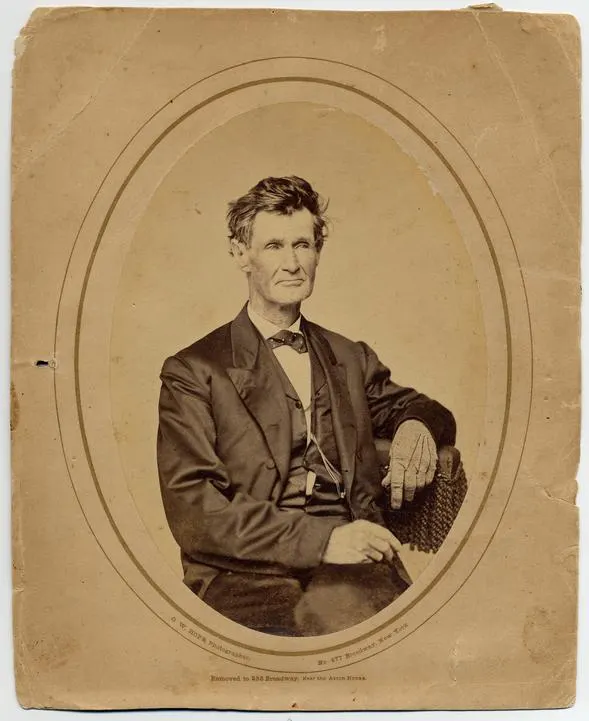
M. F. Stephenson
Notable FigureMatthew Fleming Stephenson was a geologist and assayer of the Dahlonega branch mint in Georgia whose 1849 courthouse-steps plea urging miners not to leave for California was immortalized in the phrase "there's gold in them thar hills."
The 1828 discovery of gold in the north Georgia mountains sparked America's first major gold rush, with thousands of "twenty-niners" flooding into Dahlonega and Auraria. The gold lay in the heart of the Cherokee Nation, and Georgia responded with the Great Intrusion: the state seized Cherokee lands, distributed them by lottery in 1832, and helped drive the federal removal policy that culminated in the Trail of Tears in 1838 — the rush's darkest and most consequential legacy. Dahlonega's output justified a branch US Mint that struck gold coins from 1838 until the Civil War, and enslaved laborers worked many of the mines.
Today Dahlonega is Georgia's gold-rush capital, its courthouse square anchored by the Dahlonega Gold Museum State Historic Site. Visitors pan and tour tunnels at the Consolidated and Crisson mines, and gold leaf from Dahlonega gilds the Georgia State Capitol dome — a glittering reminder of a rush built on Cherokee land.