Cayoosh Gold Rush
British Columbia, 1884–1887
Date range
1884 – 1887
Key Towns
Lillooet, Cayoosh Creek district
Trigger Event
In early 1884, Chinese prospectors began staking gold claims on Cayoosh Creek between the falls and the Fraser River near Lillooet. By the end of the year, 600 men were working that section of the creek — all of them Chinese, with all claims fully staked. It was a distinctly unusual rush in that its entire workforce belonged to one ethnic community.
Gold Recovered
~$7 million in gold mined over approximately 3 years, per claims authority Caspar Phair
Peak Population
~600 Chinese claimholders and workers at peak
Map: Cayoosh Gold Rush (50.69, -122.17)
The Cayoosh Gold Rush of 1884–1887 was one of the most unusual gold rushes in British Columbia’s history — unusual not for its geology or its dramatic founding story, but for its demographics. Unlike every other significant rush in BC history, the Cayoosh rush was conducted almost entirely by Chinese miners, whose community networks had spread word of the discovery exclusively within their own community before the rush began, resulting in a distinctly self-contained mining operation that excluded other prospectors not by any formal barrier but by the simple fact that all the best claims were staked before outsiders learned of the find.
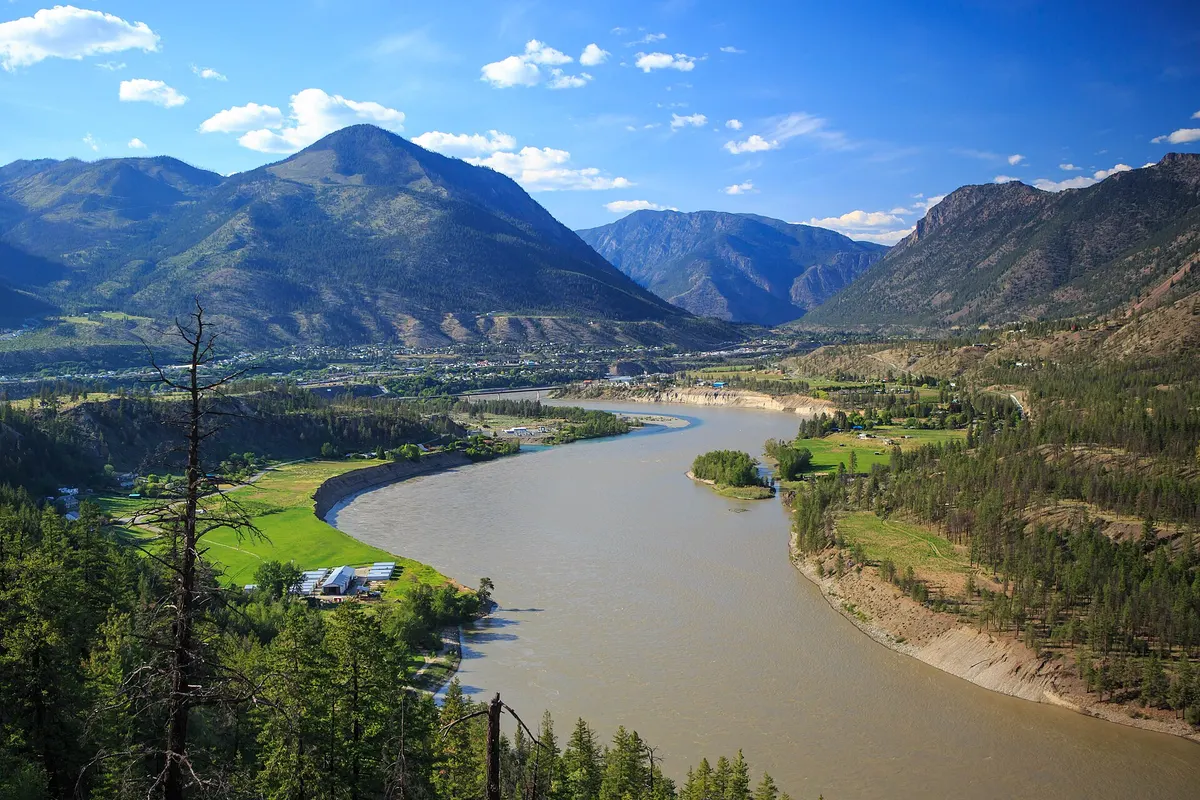
The rush began in early 1884, when Chinese prospectors started staking gold claims on Cayoosh Creek between the falls and the Fraser River, in the Lillooet area of south-central British Columbia. Lillooet had been a key staging point during the original Fraser River rush of 1858, and the surrounding landscape had been worked and prospected at various times in the intervening decades. The Chinese community that had remained in the region after the waning of the Cariboo rush — many of whom had been barred from or frozen out of the best claims in the major rushes — had maintained knowledge of the local mineral landscape through years of quieter independent prospecting.
By the end of 1884, approximately 600 men were working Cayoosh Creek, and the entire section between the falls and the Fraser had been fully claimed. The local claims authority, Irish immigrant Caspar Phair, noted with some astonishment that all 300 formal claimholders in the district were Chinese — word of the discovery having spread through community networks in a manner that kept it effectively invisible to the non-Chinese prospecting population until the ground was fully staked.
Over approximately three years of active mining, the Cayoosh district produced an estimated $7 million in gold — a figure that, if accurate, would make it one of the richest per-capita placer discoveries in BC history relative to the scale of the workforce. By the end of the decade, the claims were largely exhausted and the rush wound down. Its legacy, however, extended well beyond its immediate returns: the renewed interest in the Lillooet region that the Cayoosh rush generated helped spur a wave of new exploration, leading to subsequent discoveries at Bridge River, McGillivray Falls, and other locations that continued to produce gold well into the twentieth century.
Timeline
Gold rush begins
Rush concludes / mining activity winds down
Notable Figures
Gold found where Cayoosh Creek meets the Fraser made Lillooet one of the key camps of the 1858 rush and, soon after, Mile 0 of the original Cariboo Wagon Road — for a brief period it ranked among the largest settlements north of San Francisco on the Pacific slope. The rush brought thousands of outsiders into the heart of St'át'imc territory; St'át'imc people packed, ferried, farmed, and mined alongside newcomers, but also endured violence, disease, and the steady loss of control over their river fisheries and lands. A significant Chinese community stayed on to mine and farm long after the first boom passed.
Today Lillooet trades on its "Mile 0" gold-rush identity, with the Golden Mile of History walking tour, the Lillooet Museum & Visitor Centre in a former church, and the Miyazaki House heritage site. Jade Boulders and old benchlands along the Fraser still show the scars of hydraulic and Chinese rock-work mining.